One of the 6 wolves on WAnimals
Mammals · Carnivora · Canidae
Gray Wolf
Canis lupus signatus
It has not yet been assessed against the IUCN criteria. See full glossary
The Iberian wolf is the subspecies of grey wolf native to the Iberian Peninsula, described by Ángel Cabrera in 1907. It is told apart by its somewhat smaller size than the central European wolf, its greyish brown coat and its characteristic dark markings. It lives in family packs holding territories of 150 to 350 km² and feeds on roe deer, wild boar and red deer and, in farmed areas, on livestock and carrion. After coming close to extinction in the mid-20th century, it recovered to occupy Galicia, Asturias, Cantabria, Castile and León and northern Portugal.
Weight
25 kg – 45 kg
Size
1 m – 1.4 m
Lifespan
10 years
Diet
Carnivore
Feeds mainly on other animals.
Activity
Nocturnal
Active mainly at night.
Sighting difficulty
Unknown
Estimated population
Some 2,000-2,500 individuals in Spain (the 2012-2014 national survey: 297 packs) and a few hundred in Portugal
Fun facts
- GeneralA subspecies of the Iberian Peninsula alone; its population is concentrated north of the Duero.
- The epithet signatus means marked and refers to the dark patches on the upper lip, the black bands on the forelegs and the dark patch on the tail.
- It is the only wolf in the world that coexists stably with human densities as high as those of north-western Spain.
Life cycle & biology
- Skeleton type
- Vertebrate - internal bony skeleton (mammal)
- Habitat & environment
- Sierras, woodland and farm-and-forest mosaics of north-western Iberia
- Sexual maturity
- 22 months
- Gestation / incubation
- 63 days
- Litter / clutch size
- 5
Sources consulted: https://www.iucnredlist.org/ | https://animaldiversity.org/ | https://es.wikipedia.org/
Where to watch it
Parks and dive sites where this species has been documented.
Related species
Other species in the catalogue with the most in common with Gray Wolf — same habitat, park, country, tags or family.
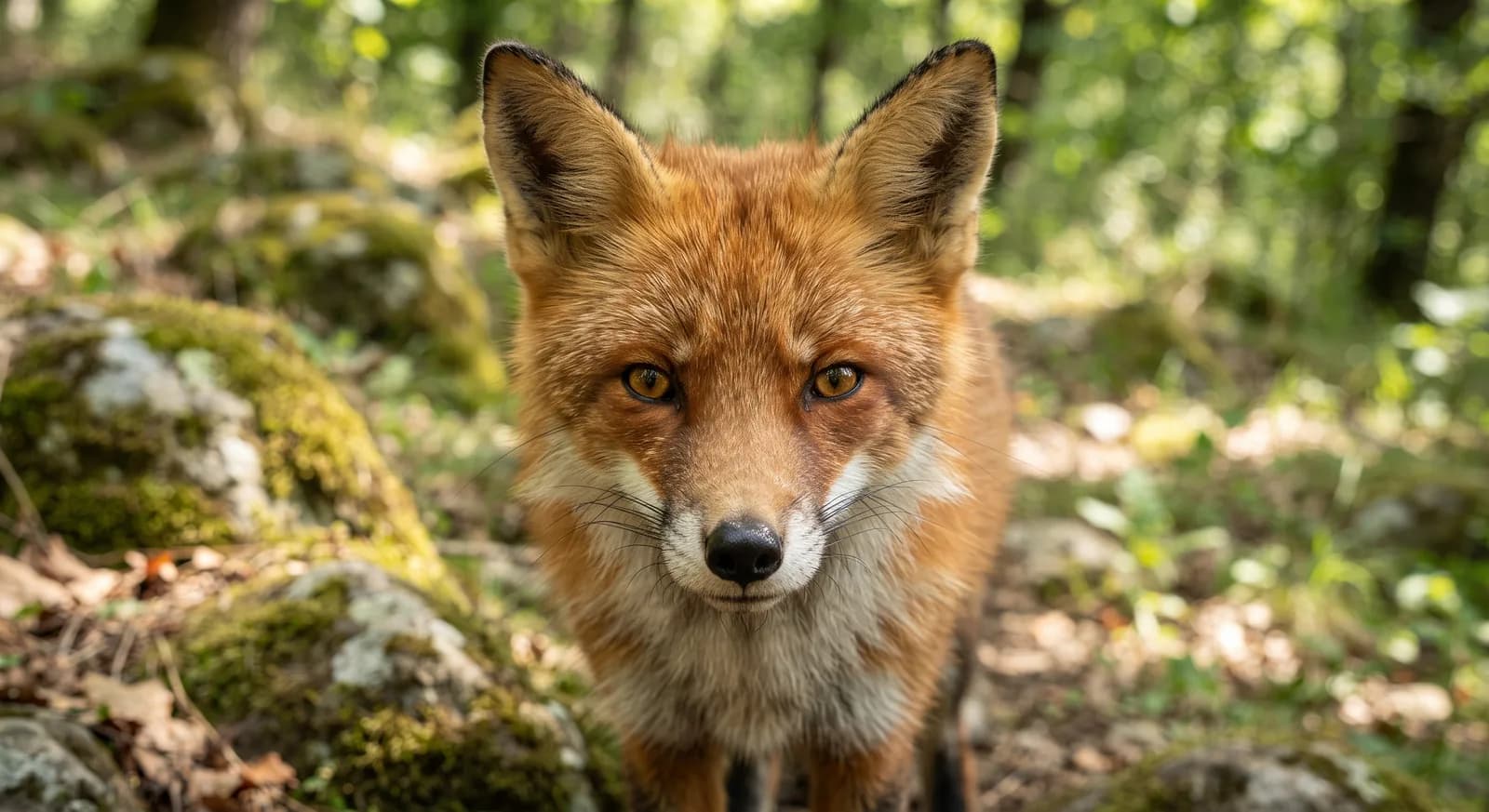 Least Concern
Red Fox
Vulpes vulpes
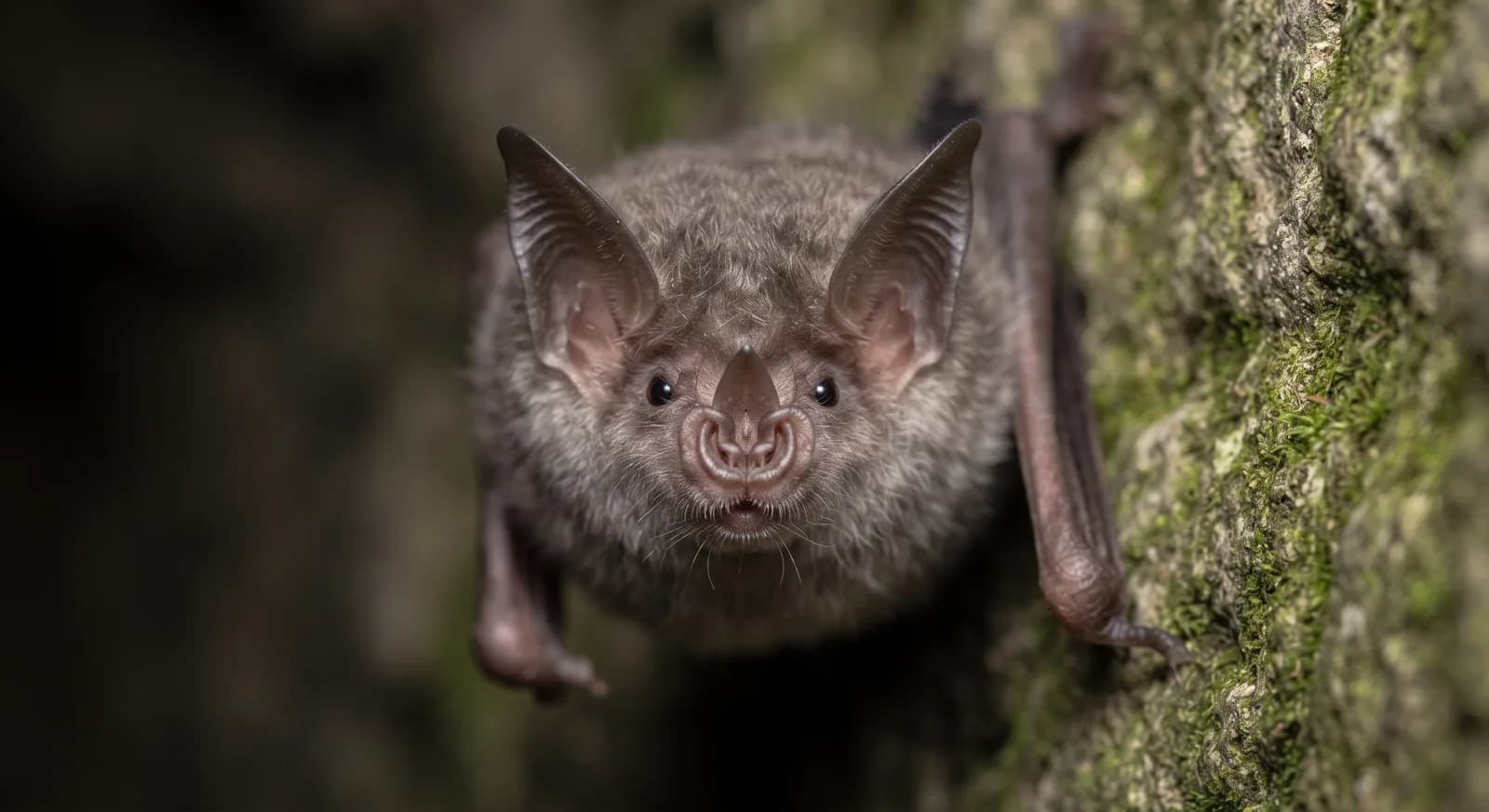 Least Concern
Greater Horseshoe Bat
Rhinolophus ferrumequinum
Common Pipistrelle
Pipistrellus pipistrellus
Least Weasel
Mustela nivalis
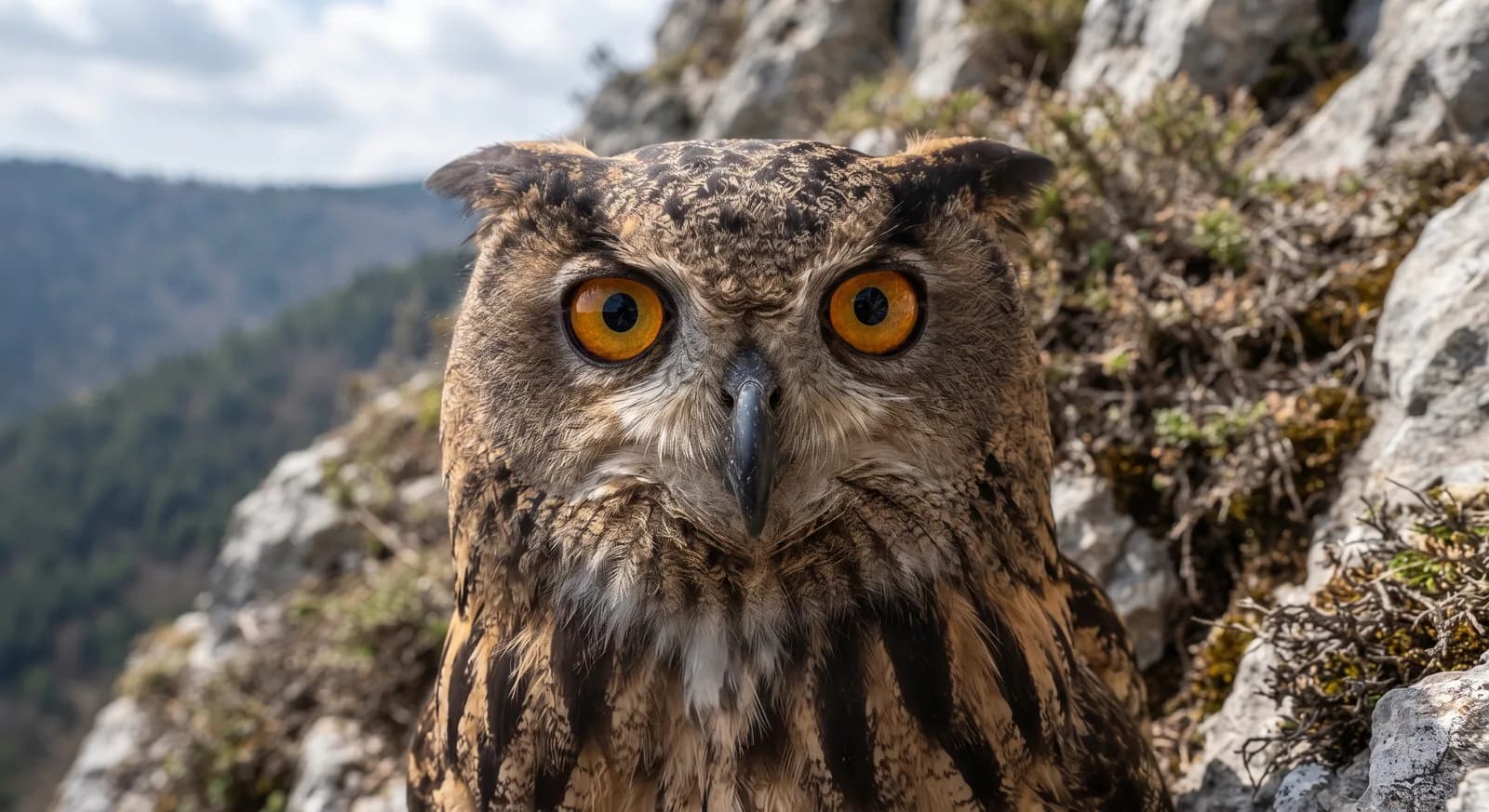 Least Concern
Eurasian Eagle-Owl
Bubo bubo
Polecat
Mustela putorius
Keep exploring
Based on what we already know about gray wolf.
Comments
Share an experience, a fun fact or a tip for seeing the gray wolf.
Be the first to comment.