Amphibians · Anura · Mantellidae
Golden Mantella
Mantella aurantiaca
It faces an extremely high risk of imminent extinction in the wild. See full glossary
The golden mantella is a tiny frog of intense, uniform orange, endemic to a strip of barely a few square kilometres of swamp forest in Madagascar. It is toxic and its colour is a warning. It is a remarkable case of convergence with the American poison frogs: same size, same colours, same strategy and lineages with no relationship at all.
Size
2 cm – 3 cm
Lifespan
8 years
Diet
Insectivore
Feeds mainly on insects and other invertebrates.
Activity
Diurnal
Active mainly during the day.
Sighting difficulty
Very hard
Fun facts
- It is a case of almost perfect evolutionary convergence with the American poison frogs: the same tiny size, the same warning colours, the same toxicity obtained from the diet and the same daytime activity, in two unrelated lineages separated by an ocean.
- Its toxicity comes from what it eats: it accumulates alkaloids from ants and soil mites, and individuals raised in captivity on crickets are completely harmless.
- Its total range amounts to a few square kilometres of swamp forest, and mining, farming and collection for the terrarium trade keep it critically endangered.
Life cycle & biology
- Skeleton type
- Vertebrate - internal bony skeleton (amphibian)
- Habitat & environment
- Pandanus swamp forest and peat bogs of east-central Madagascar
- Sexual maturity
- 14 months
- Gestation / incubation
- 14 days
- Litter / clutch size
- 40
Sources consulted: https://es.wikipedia.org/wiki/Mantella_aurantiaca
Where to watch it
Parks and dive sites where this species has been documented.
Related species
Other species in the catalogue with the most in common with Golden Mantella — same habitat, park, country, tags or family.
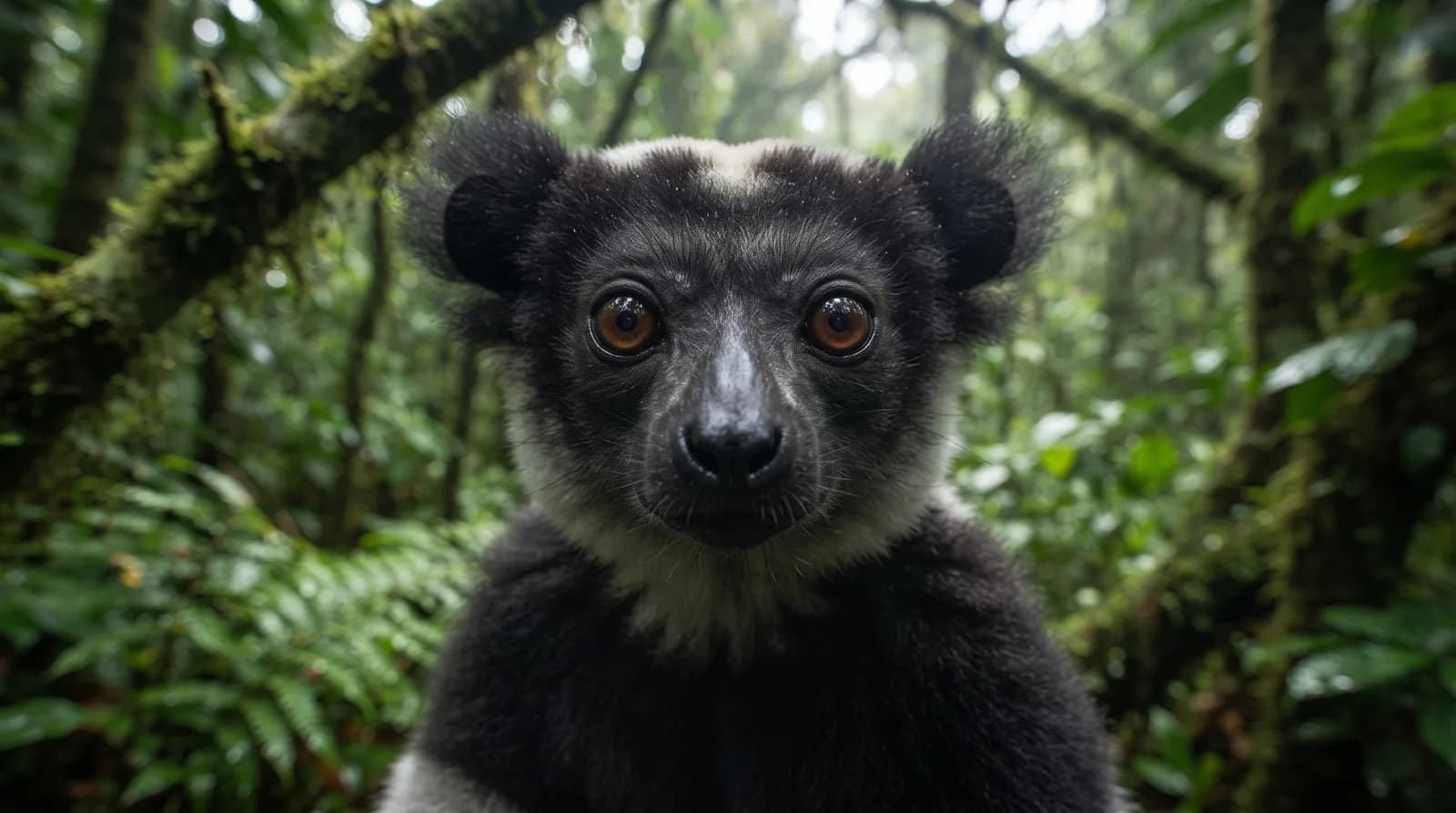 Critically Endangered
Indri
Indri indri
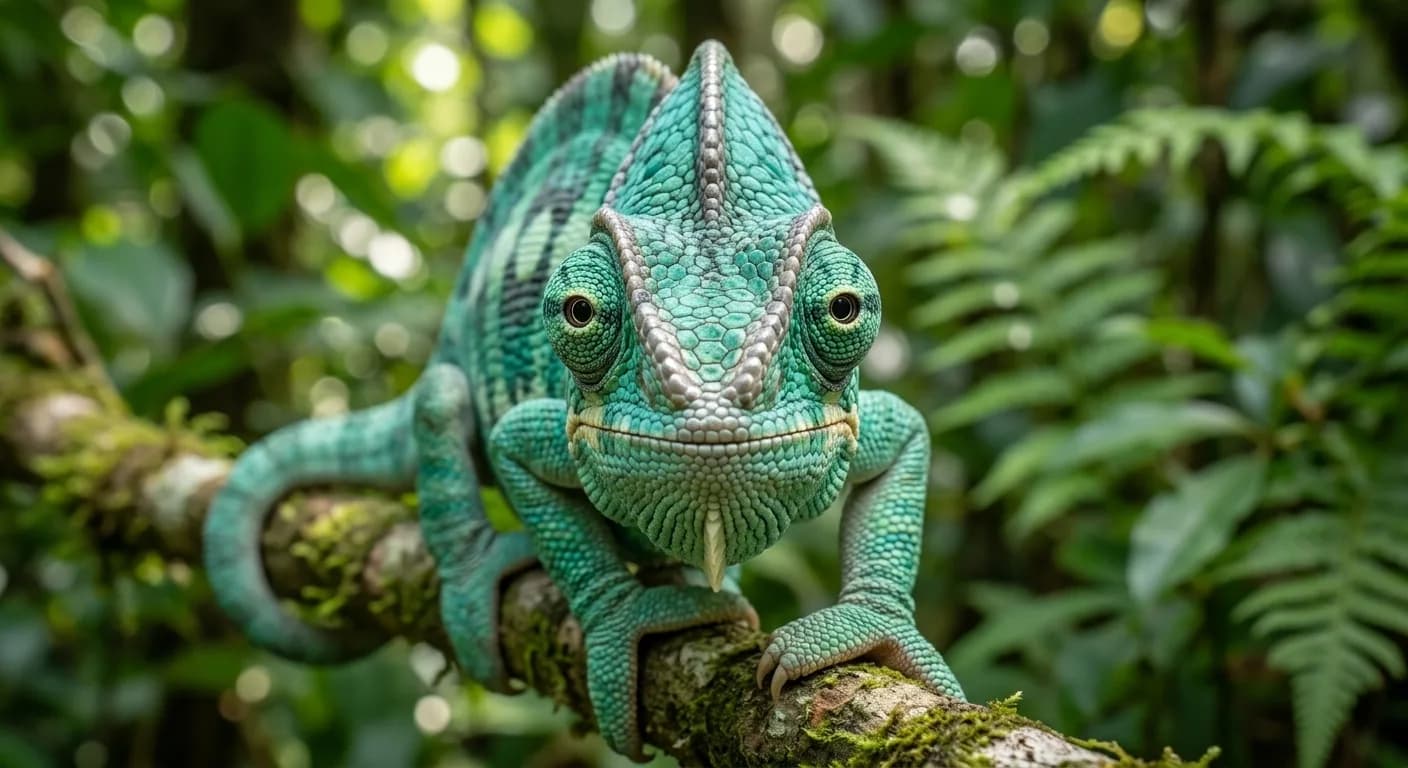 Near Threatened
Parson's Chameleon
Calumma parsonii
Brown Mesite
Mesitornis unicolor
Leaf Chameleon
Brookesia micra
How to help
The golden mantella is classified as critically endangered. Organizations such as UICN, WWF y Wildlife Conservation Society work specifically on its conservation and that of its habitat; looking into their programs is a good starting point if you want to get involved.
It's documented in 1 real protected area — part of why protecting these places matters for its conservation.
Keep exploring
Based on what we already know about golden mantella.
Comments
Share an experience, a fun fact or a tip for seeing the golden mantella.
Be the first to comment.