Birds · Mesitornithiformes · Mesitornithidae
Brown Mesite
Mesitornis unicolor
It faces a high risk of extinction in the wild over the medium term. See full glossary
The brown mesite is a ground bird of the Malagasy forest, brown and unobtrusive, and one of the three members of a family endemic to Madagascar with no close relatives anywhere else. It walks through the leaf litter searching for invertebrates, barely flies, and nests on low platforms of twigs. It depends on the primary rainforest of the east of the island, which is in constant retreat.
Weight
90 g – 120 g
Size
30 cm – 32 cm
Lifespan
10 years
Diet
Insectivore
Feeds mainly on insects and other invertebrates.
Activity
Diurnal
Active mainly during the day.
Social structure
In pairs
Usually lives in pairs, sometimes for life.
Sighting difficulty
Moderate
Fun facts
- It belongs to a whole family that exists only in Madagascar: the mesites are three species with no close living relatives anywhere else on the planet, a lineage isolated for tens of millions of years.
- It barely flies: it moves by walking across the forest floor and takes wing only a few metres to a low branch when cornered.
- It is so hard to detect in surveys that much of what is known about its distribution comes from acoustic recordings rather than sightings.
Life cycle & biology
- Skeleton type
- Vertebrate - internal bony skeleton (bird)
- Habitat & environment
- Floor of lowland rainforest in eastern Madagascar
- Birth weight
- Altricial: born blind, naked or with sparse down and entirely dependent
- Size at birth
- Altricial: born blind, naked or with sparse down and entirely dependent
- Sexual maturity
- 12 months
- Gestation / incubation
- 21 days of incubation
- Litter / clutch size
- 2 eggs
Sources consulted: https://www.iucnredlist.org/ | https://animaldiversity.org/ | https://es.wikipedia.org/
Where to find it
See its range on the interactive mapBest time: All year in the rainforests of eastern Madagascar, by day; it walks on the ground and is detected above all by its whistled call.
Where to watch it
Parks and dive sites where this species has been documented.
Related species
Other species in the catalogue with the most in common with Brown Mesite — same habitat, park, country, tags or family.
Pitta-like Ground-Roller
Atelornis pittoides
Panther Chameleon
Furcifer pardalis
Golden Mantella
Mantella aurantiaca
 Vulnerable
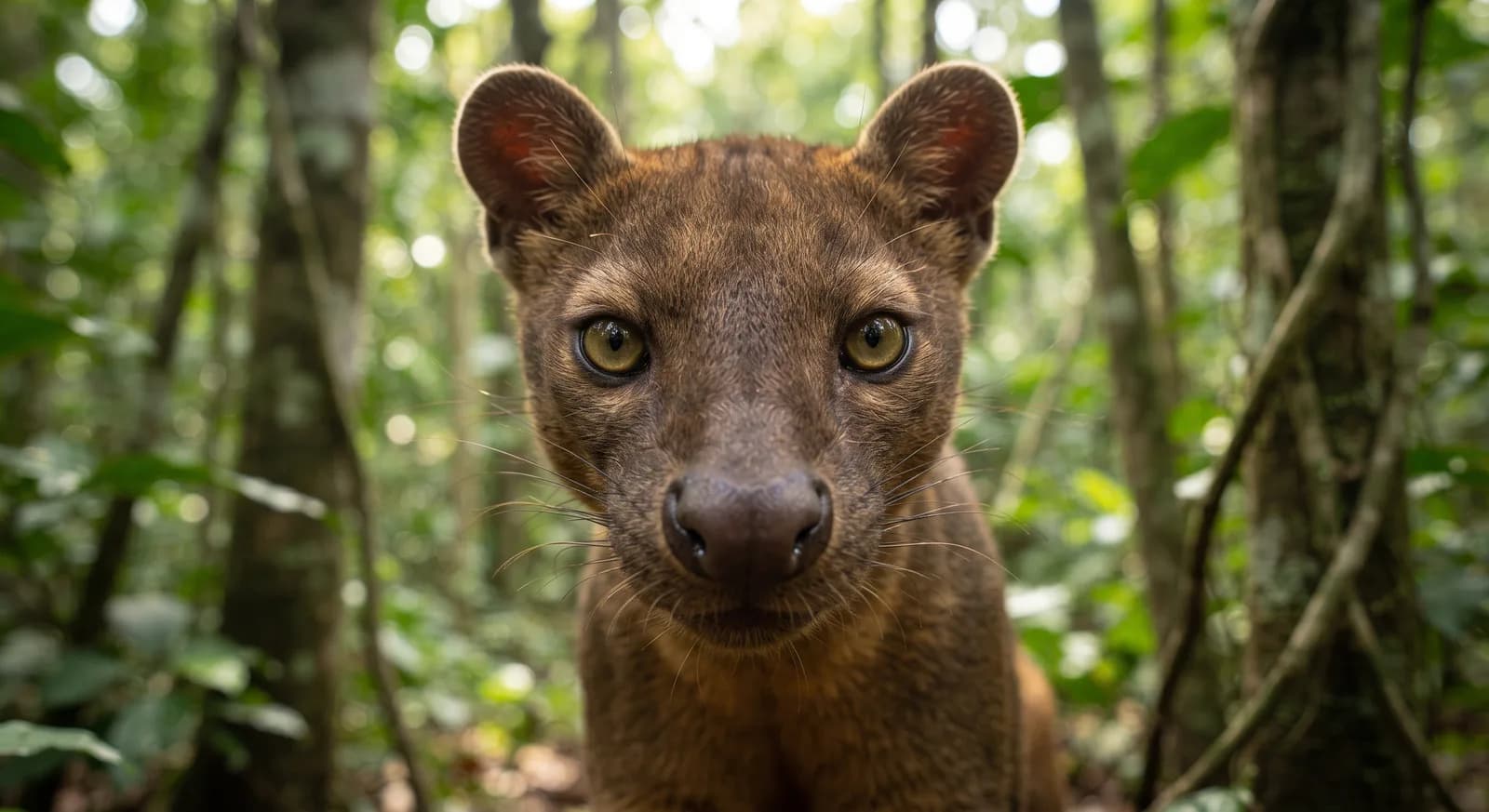
Fossa
Cryptoprocta ferox
 Near Threatened
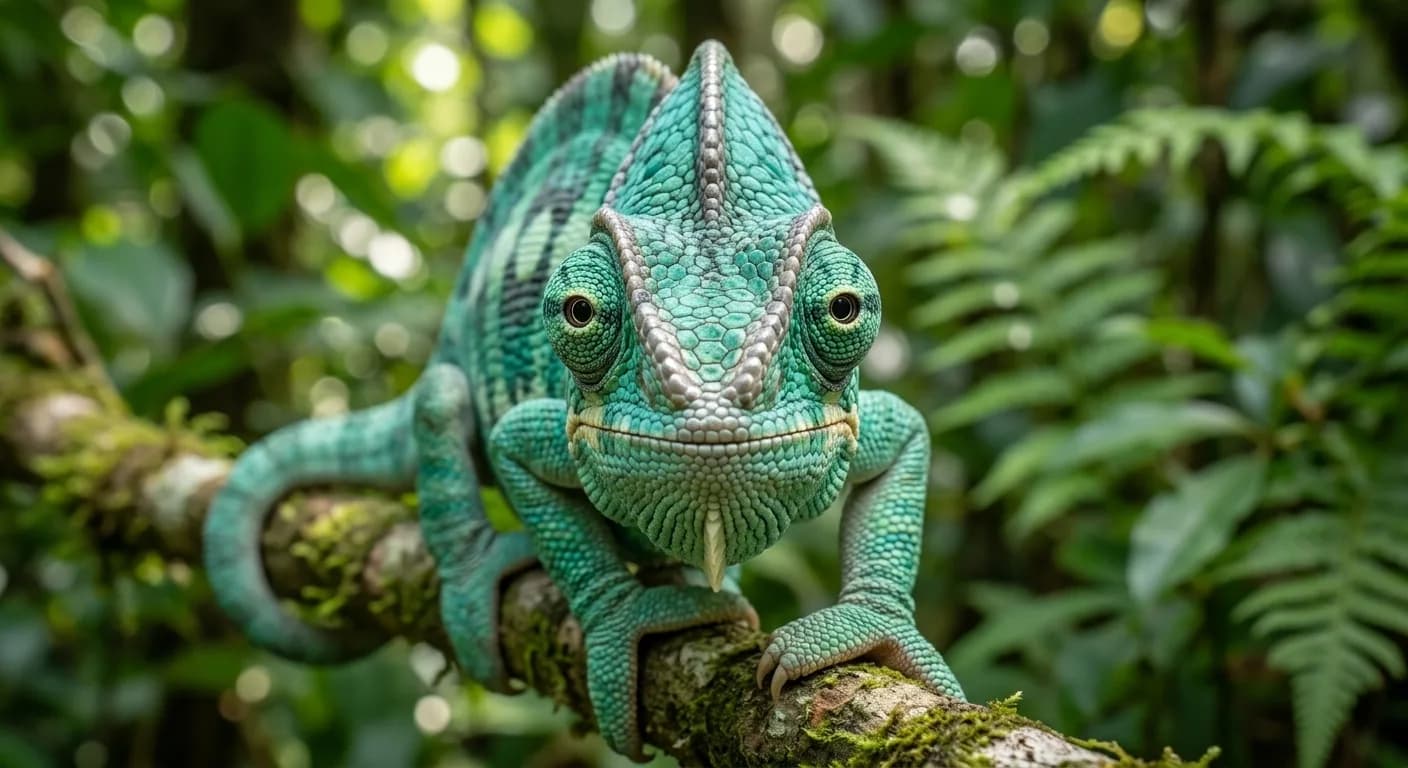
Parson's Chameleon
Calumma parsonii
How to help
The brown mesite is classified as vulnerable. Organizations such as UICN, WWF y Wildlife Conservation Society work specifically on its conservation and that of its habitat; looking into their programs is a good starting point if you want to get involved.
It's documented in 5 real protected areas — part of why protecting these places matters for its conservation.
Keep exploring
Based on what we already know about brown mesite.
Comments
Share an experience, a fun fact or a tip for seeing the brown mesite.
Be the first to comment.