Ranomafana
Its declaration followed directly from the scientific discovery in 1986 of a lemur species believed extinct
Area
416 km²
Declared in
1991
Region
Madagascar and the Indian Ocean
Climate
Tropical, Árido / desértico
Best time
April to November
Highlight
Its declaration followed directly from the scientific discovery in 1986 of a lemur species believed extinct
Declared in 1991, its creation as a national park is directly linked to a scientific find: in 1986 the American primatologist Patricia Wright discovered in this area a lemur species believed extinct for decades, the golden bamboo lemur, whose discovery generated such international scientific interest that it directly drove official protection of the forest it lived in barely five years later. Its name means where there is hot water in Malagasy, after the natural hot springs beside the village at its entrance, and its montane tropical rainforest climate — far wetter than other Malagasy parks — makes it one of the richest sanctuaries for amphibian and reptile diversity on the whole island.
Location
See on the interactive map19 species documented in Ranomafana
At conservation risk:Aye-aye,Fosa,Lémur ratón marrón,Sifaka de Milne-Edwards,Fanaloka (civeta malgache),Lémur de cola anillada,Lémur vari blanco y negro,Mesita café
Endemic to Madagascar:Aye-aye,Fosa
Aye-aye
Daubentonia madagascariensis
 Near Threatened
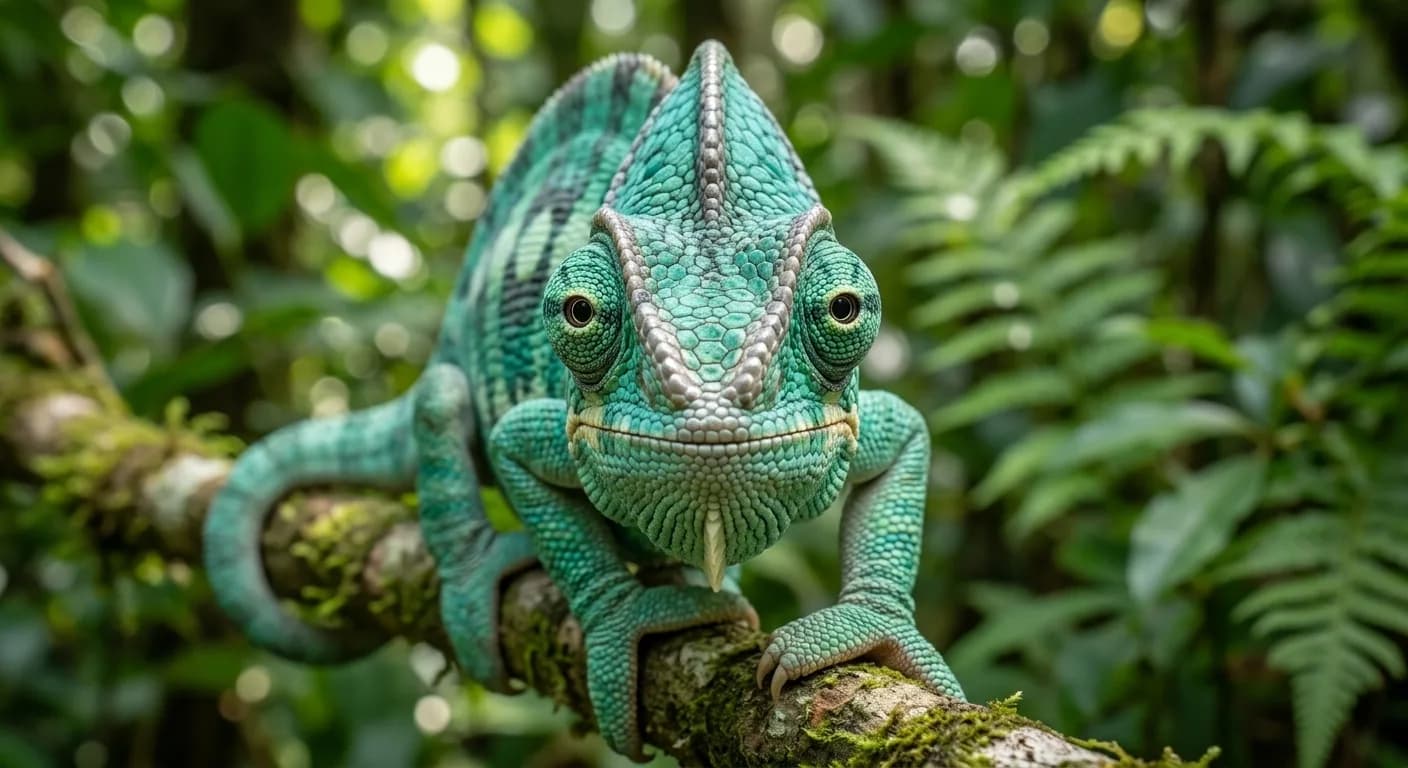
Camaleón de Parson
Calumma parsonii
 Vulnerable
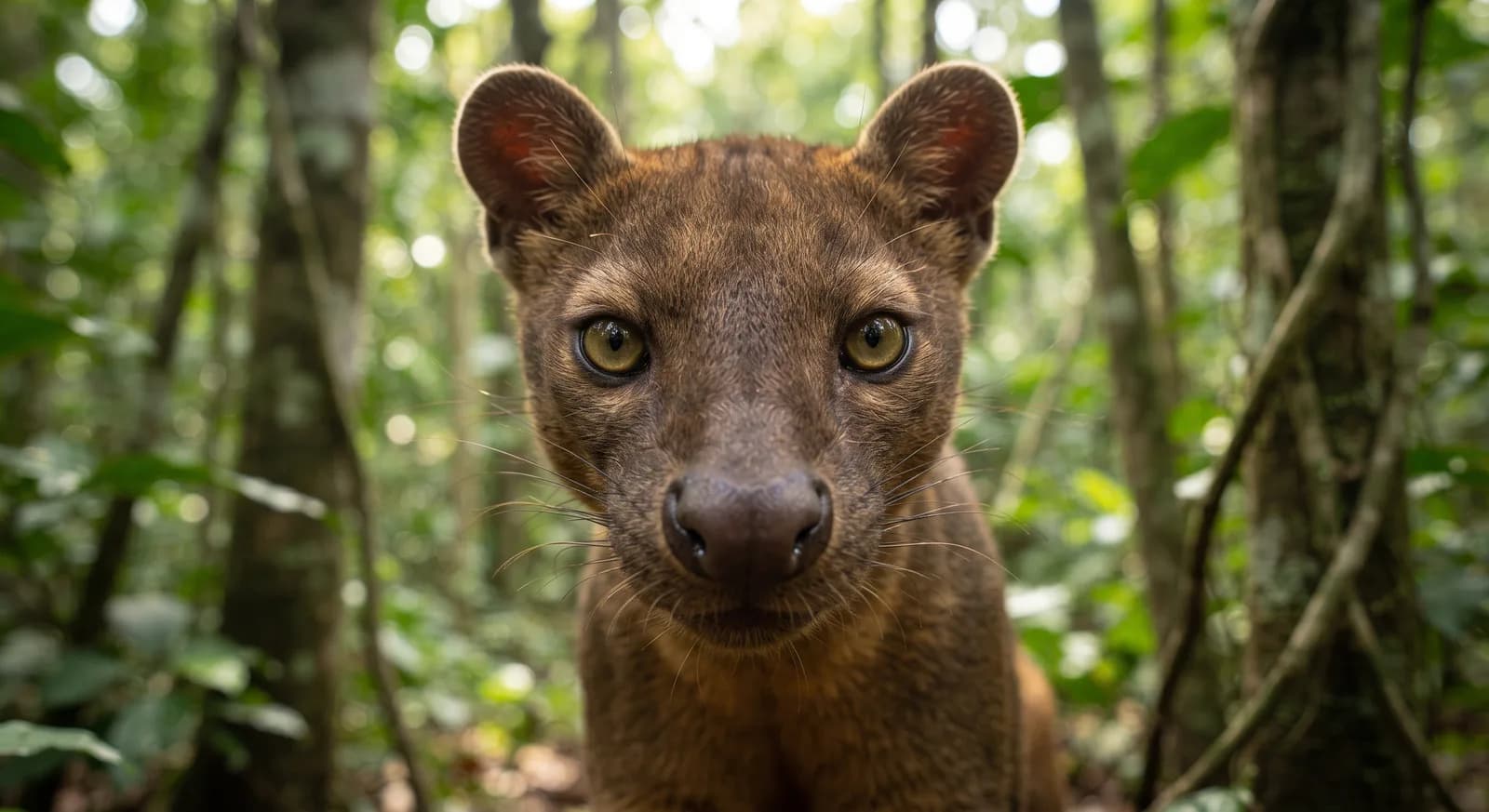
Fosa
Cryptoprocta ferox
Boa arborícola de Madagascar
Sanzinia madagascariensis
Lémur ratón marrón
Microcebus rufus
Sifaka de Milne-Edwards
Propithecus edwardsi
Camaleón enano de Madagascar
Brookesia micra
Carraca terrestre de bosque
Atelornis pittoides
Cucaracha silbadora de Madagascar
Gromphadorhina portentosa
Fanaloka (civeta malgache)
Fossa fossana
Gecko de cola hoja gigante
Uroplatus fimbriatus
Gecko diurno de Madagascar
Phelsuma madagascariensis
Flora and ecosystems
Ecosystems found in Madagascar, where Ranomafana lies.
Experiences in this park
Similar parks
Which other parks are like this one?
Marojejy
Madagascar
Silky Sifaka · Mongoose Lemur
Abril a noviembre
View parkMismo país: Madagascar
Andohahela
Madagascar
Ring-tailed Lemur · Triangle Palm (flora)
Abril a noviembre
View parkMismo país: Madagascar
Keep exploring
Based on what we already know about Ranomafana.
Your rating
How many stars would you give Ranomafana?
Comments
Share your experience visiting Ranomafana, or a tip for other travellers.
Be the first to comment.