One of the 2 storm petrels on WAnimals
Birds · Procellariiformes · Hydrobatidae
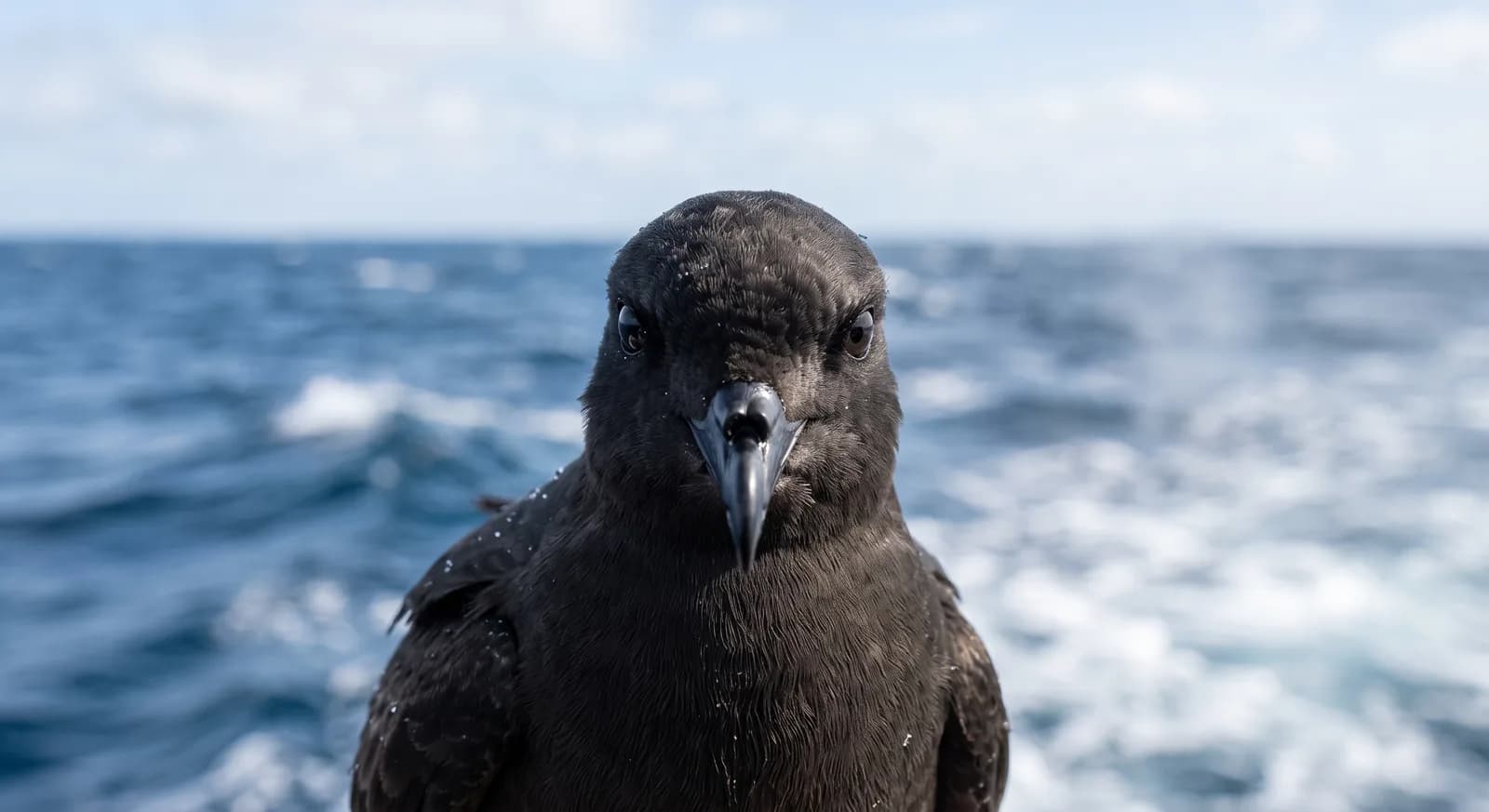
Wilson's Storm Petrel
Oceanites oceanicus
The species is abundant and widely distributed; it faces no significant short-term risk. See full glossary
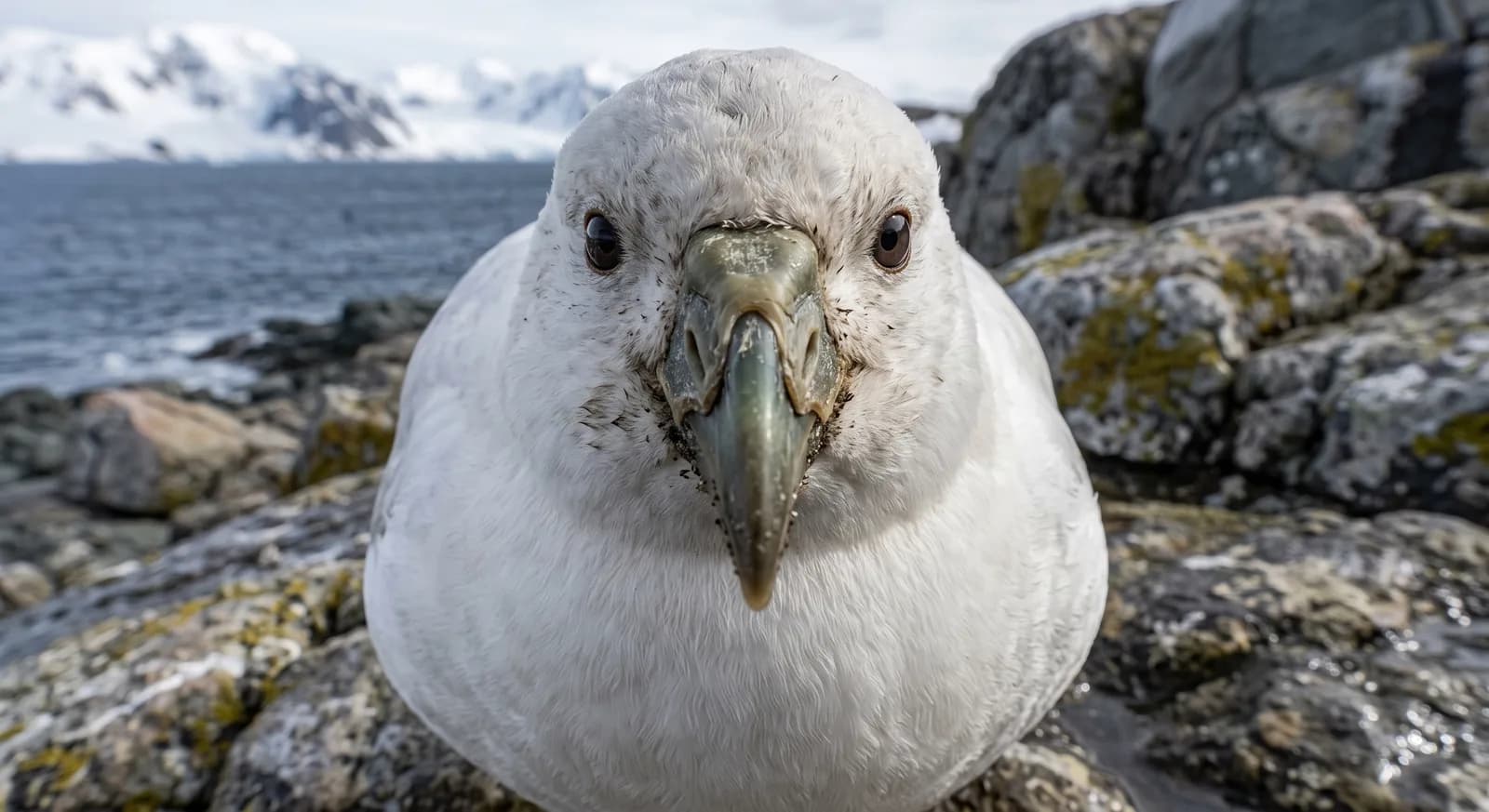
Wilson's storm petrel is a tiny seabird and probably one of the most abundant birds on the planet, with a population estimated in the tens of millions. It breeds in Antarctica and on the subantarctic islands and migrates north as far as the waters of the North Atlantic and the Pacific, crossing the equator. It feeds by pattering on the surface of the water with its feet while holding itself aloft, a characteristic fluttering that makes it look as though it is walking on the sea.
Weight
30 g – 45 g
Size
16 cm – 19 cm
Lifespan
20 years
Diet
Carnivore
Feeds mainly on other animals.
Activity
Irregular activity
Active at irregular times, by day or night depending on circumstances.
Social structure
Colony
Lives in large concentrations, often for breeding reasons.
Sighting difficulty
Easy
Fun facts
- It seems to walk on water: it holds itself aloft on its wings while pattering the surface with its feet to stir up plankton, behaviour that gave the group its English name, petrel, in reference to Saint Peter walking on the waves.
- It is one of the most abundant birds in the world, with tens of millions of individuals, and at the same time one of the least seen: it spends its life on the open sea and only comes ashore at night at Antarctic colonies.
Life cycle & biology
- Skeleton type
- Vertebrate - internal bony skeleton (bird)
- Habitat & environment
- The open sea of every ocean; it breeds in crevices and burrows in Antarctica and on the subantarctic islands
- Sexual maturity
- 4 years
- Gestation / incubation
- 42 days of incubation
- Litter / clutch size
- 1 egg
Sources consulted: https://es.wikipedia.org/wiki/Oceanites_oceanicus
Where to find it
See its range on the interactive mapWhere to watch it
Parks and dive sites where this species has been documented.
Related species
Other species in the catalogue with the most in common with Wilson's Storm Petrel — same habitat, park, country, tags or family.
South American Fur Seal
Arctocephalus australis
 Least Concern
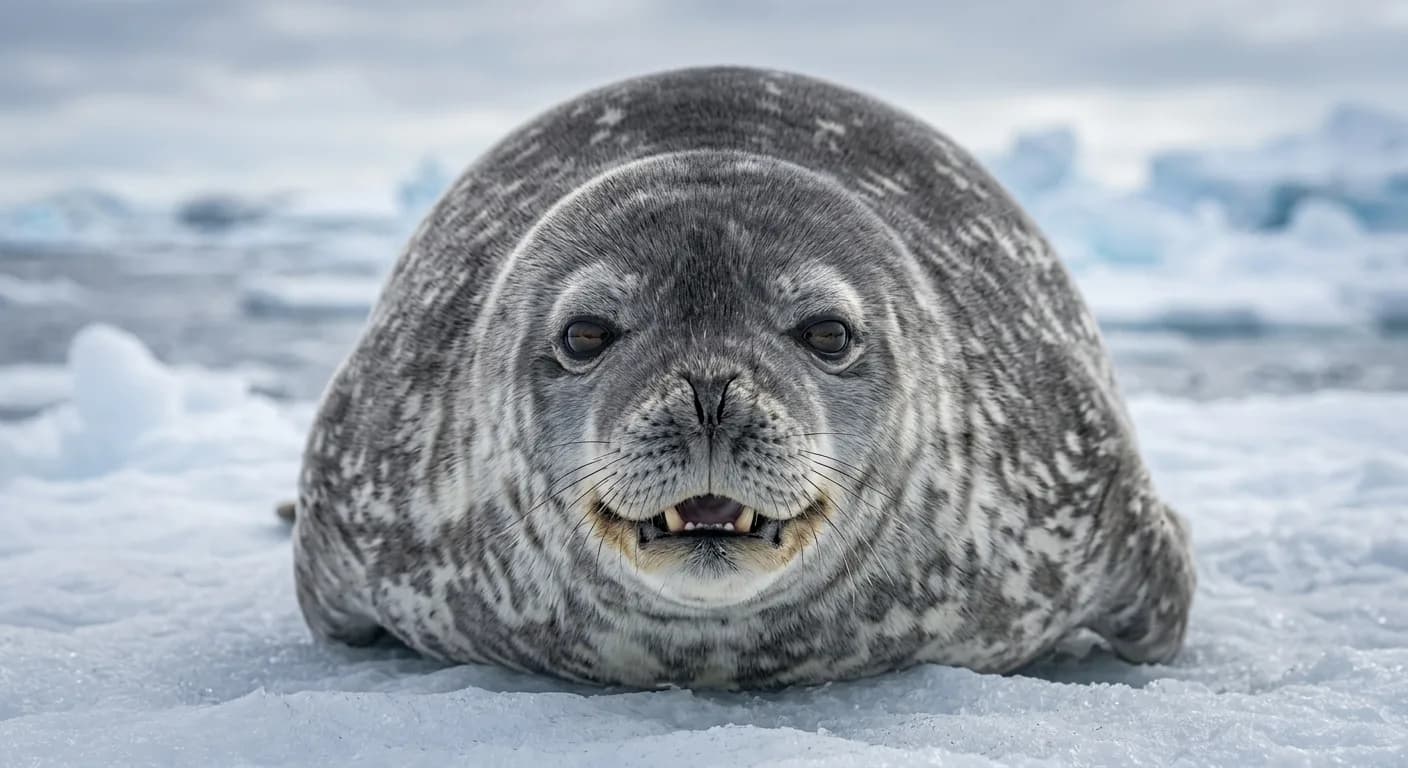
Weddell Seal
Leptonychotes weddellii
 Least Concern
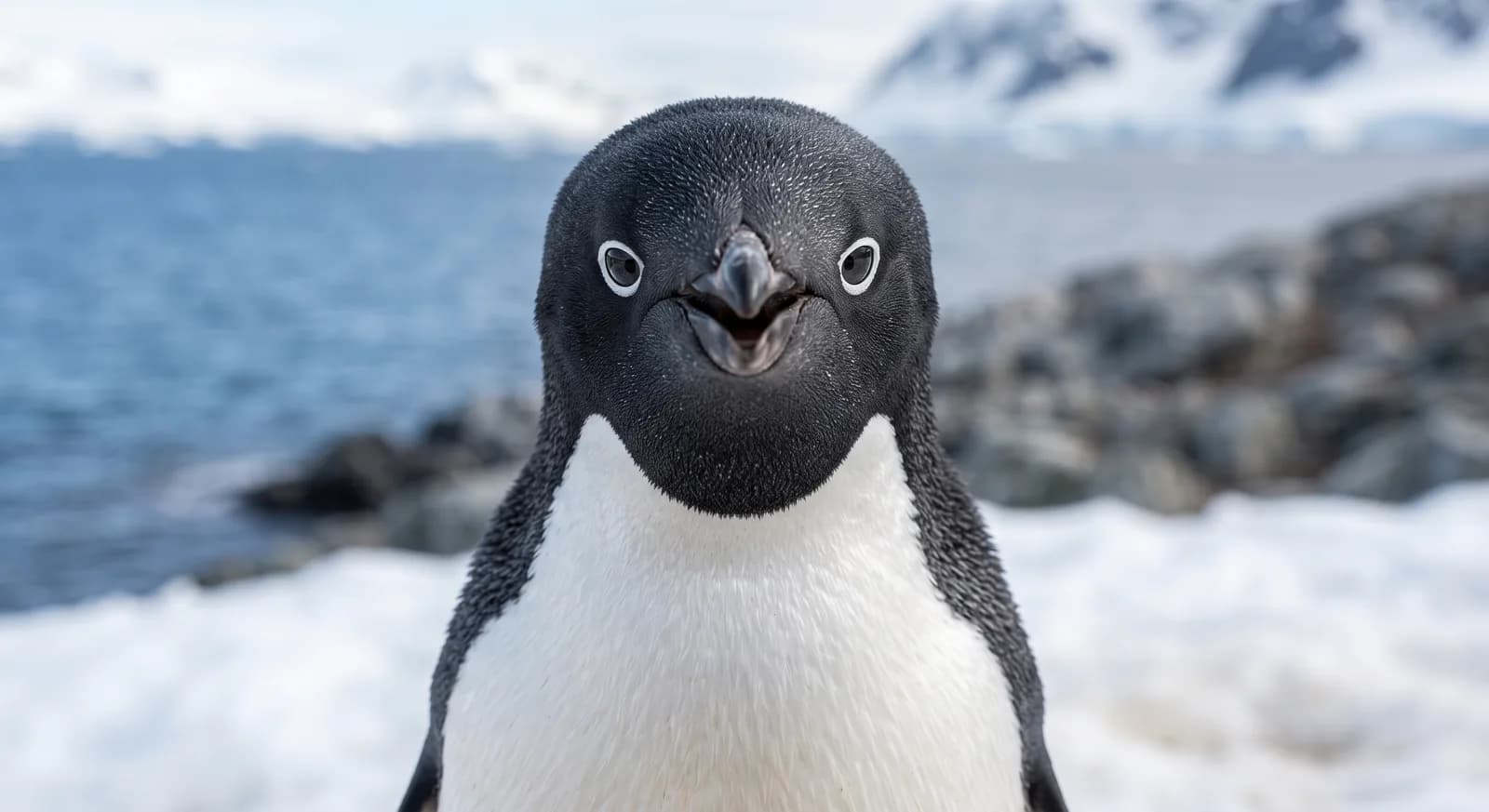
Adelie Penguin
Pygoscelis adeliae
 Least Concern
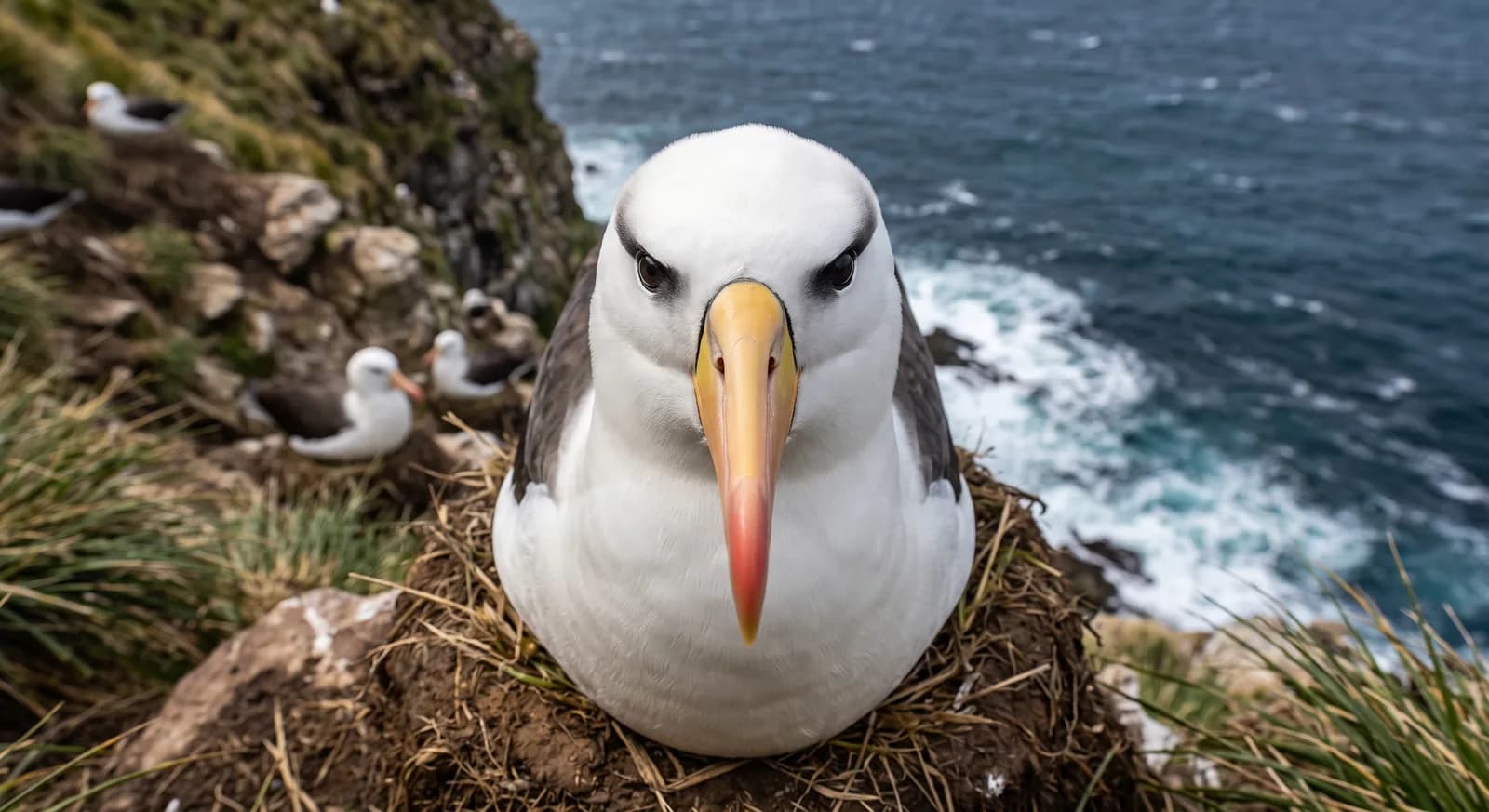
Black-browed Albatross
Thalassarche melanophris
Common Diving-Petrel
Pelecanoides urinatrix
 Least Concern
Snowy Sheathbill
Chionis albus
Keep exploring
Based on what we already know about wilson's storm petrel.
Comments
Share an experience, a fun fact or a tip for seeing the wilson's storm petrel.
Be the first to comment.