One of the 7 boobies on WAnimals
Birds · Suliformes · Sulidae
Abbott's Booby
Papasula abbotti
It faces a very high risk of extinction in the wild in the near future. See full glossary
Abbott's booby is a species of suliform bird of the family Sulidae endemic to the Indian Ocean. It is endangered, since it nests only on Christmas Island, in the eastern Indian Ocean. Fewer than 3,000 individuals remain. It is also the only representative of the genus Papasula. It has also been called Sula abbotti.
Weight
1.4 kg – 1.7 kg
Size
79 cm – 81 cm
Lifespan
40 years
Diet
Carnivore
Feeds mainly on other animals.
Activity
Diurnal
Active mainly during the day.
Social structure
Colony
Lives in large concentrations, often for breeding reasons.
Sighting difficulty
Hard
Estimated population
Around 2,500 breeding pairs
Fun facts
- The whole species breeds in the rainforest canopy of a single island of 135 square kilometres: it is one of the seabirds with the smallest breeding range in the world.
- Its reproduction is among the slowest of any seabird: the pair raises a single chick every two years and the young do not breed until they are eight, so the population takes decades to recover from any loss.
Life cycle & biology
- Skeleton type
- Vertebrate - internal bony skeleton (bird)
- Habitat & environment
- The eastern Indian Ocean; breeds exclusively in the rainforest canopy of Christmas Island
- Sexual maturity
- 8 years
- Gestation / incubation
- 56 days of incubation
- Litter / clutch size
- 1 egg
Sources consulted: https://es.wikipedia.org/wiki/Papasula_abbotti
Where to watch it
Parks and dive sites where this species has been documented.
Related species
Other species in the catalogue with the most in common with Abbott's Booby — same habitat, park, country, tags or family.
Red-footed Booby
Sula sula
 Least Concern
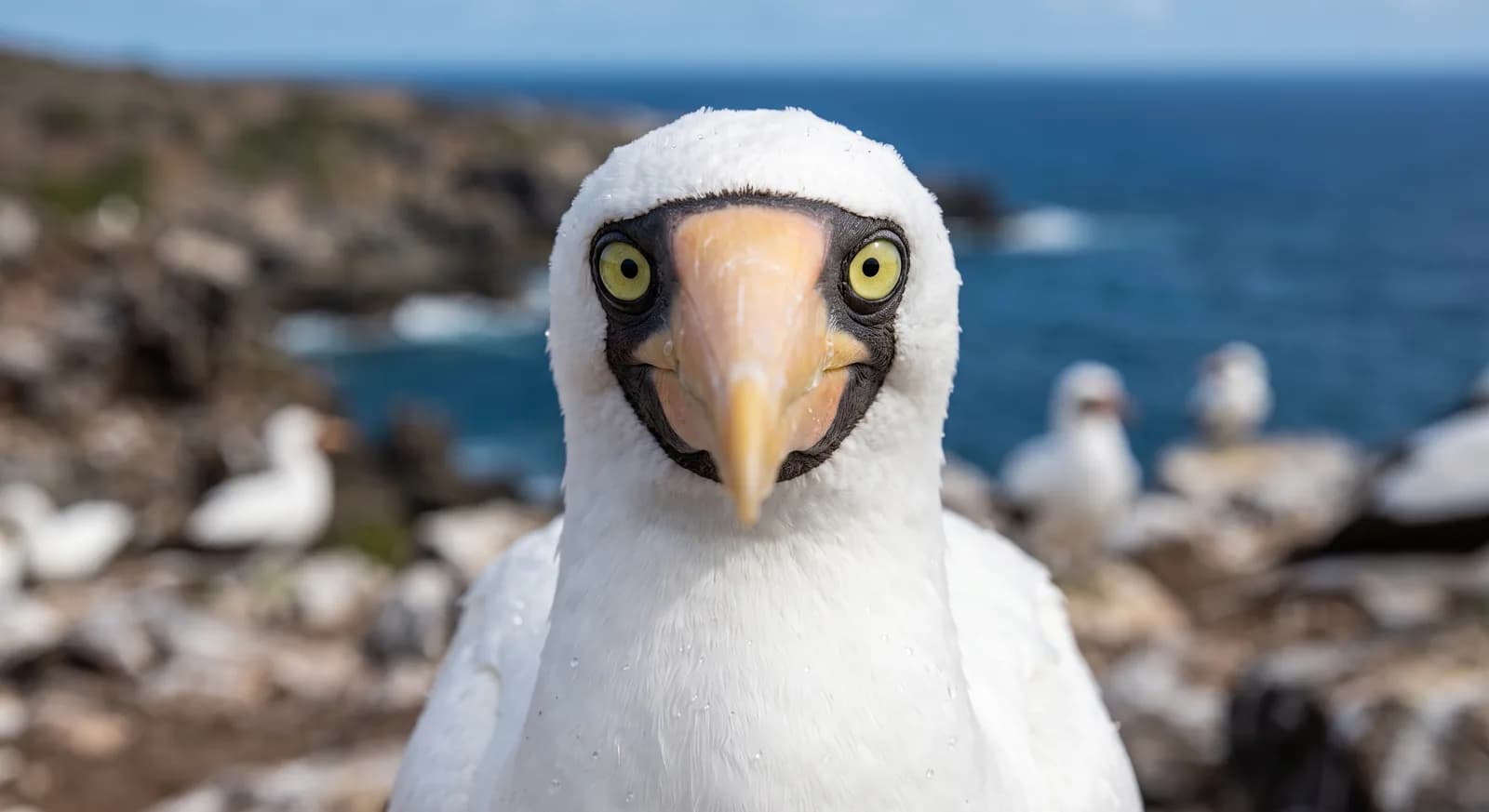
Masked Booby
Sula dactylatra
 Least Concern
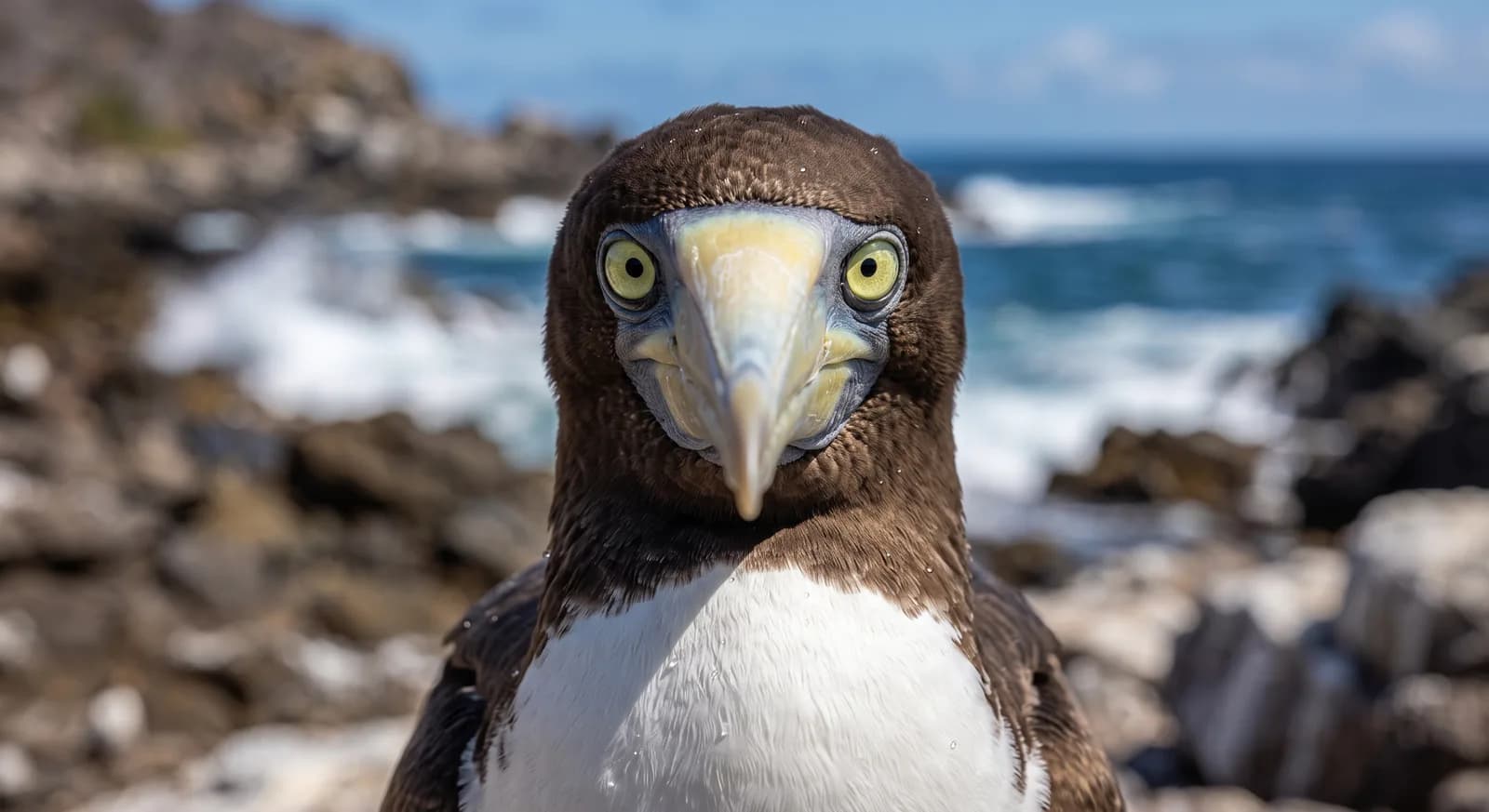
Brown Booby
Sula leucogaster
 Least Concern
Sooty Tern
Onychoprion fuscatus
Brown Noddy
Anous stolidus
Cape Gannet
Morus capensis
How to help
The abbott's booby is classified as endangered. Organizations such as UICN, WWF y Wildlife Conservation Society work specifically on its conservation and that of its habitat; looking into their programs is a good starting point if you want to get involved.
It's documented in 1 real protected area — part of why protecting these places matters for its conservation.
Keep exploring
Based on what we already know about abbott's booby.
Comments
Share an experience, a fun fact or a tip for seeing the abbott's booby.
Be the first to comment.