Christmas Island
Australia · Indian Ocean (Australian territory)The setting of the greatest land migration of crabs on the planet: some 100 million red crabs march to the sea each year
Area
635 km²
Declared in
1980
Region
Indian Ocean (Australian territory)
Climate
Tropical, Árido / desértico, Templado, Mediterráneo
Best time
March to May
Highlight
The setting of the greatest land migration of crabs on the planet: some 100 million red crabs march to the sea each year
Declared in 1980 over close to 63% of the island's area, it protects the habitat of the Christmas Island red crab, the star of the greatest documented land migration of crustaceans on the planet: each year, generally between October and December depending on the moon, some 100 million red crabs leave their burrows in the wooded interior all at once to spawn in the sea, literally covering roads, gardens and paths for several days, a phenomenon that forces road closures and the building of special bridges and fences to protect the crabs from traffic. The island is also the only known nesting site in the world of the Christmas Island frigatebird and of Abbott's booby, both listed as endangered.
Location
See on the interactive map8 species documented in Christmas Island
At conservation risk:Tortuga verde,Piquero de Abbott,Cangrejo ladrón
Cangrejo rojo de la isla de Navidad
Gecarcoidea natalis
 Least Concern
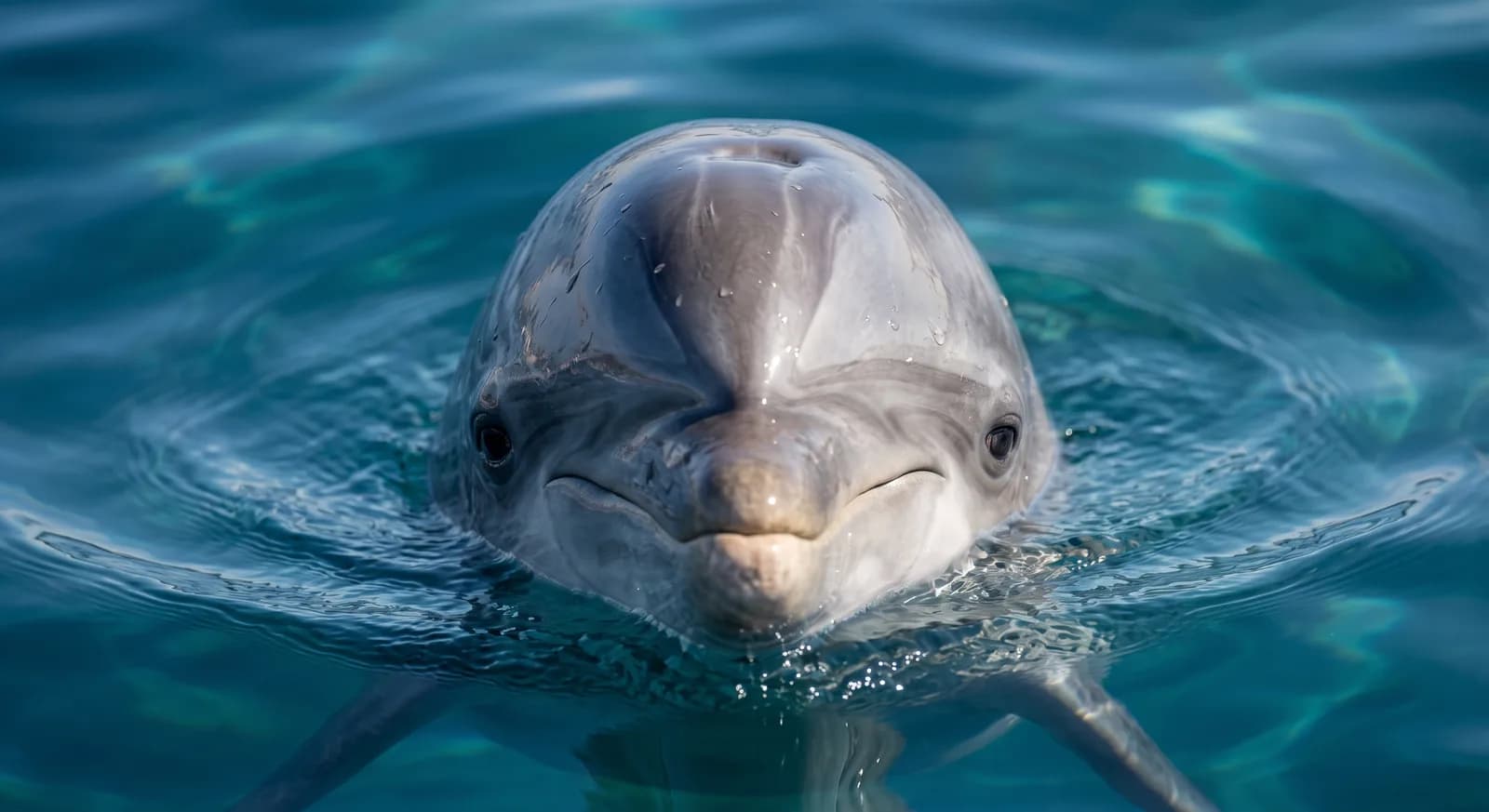
Delfín mular
Tursiops truncatus
 Endangered
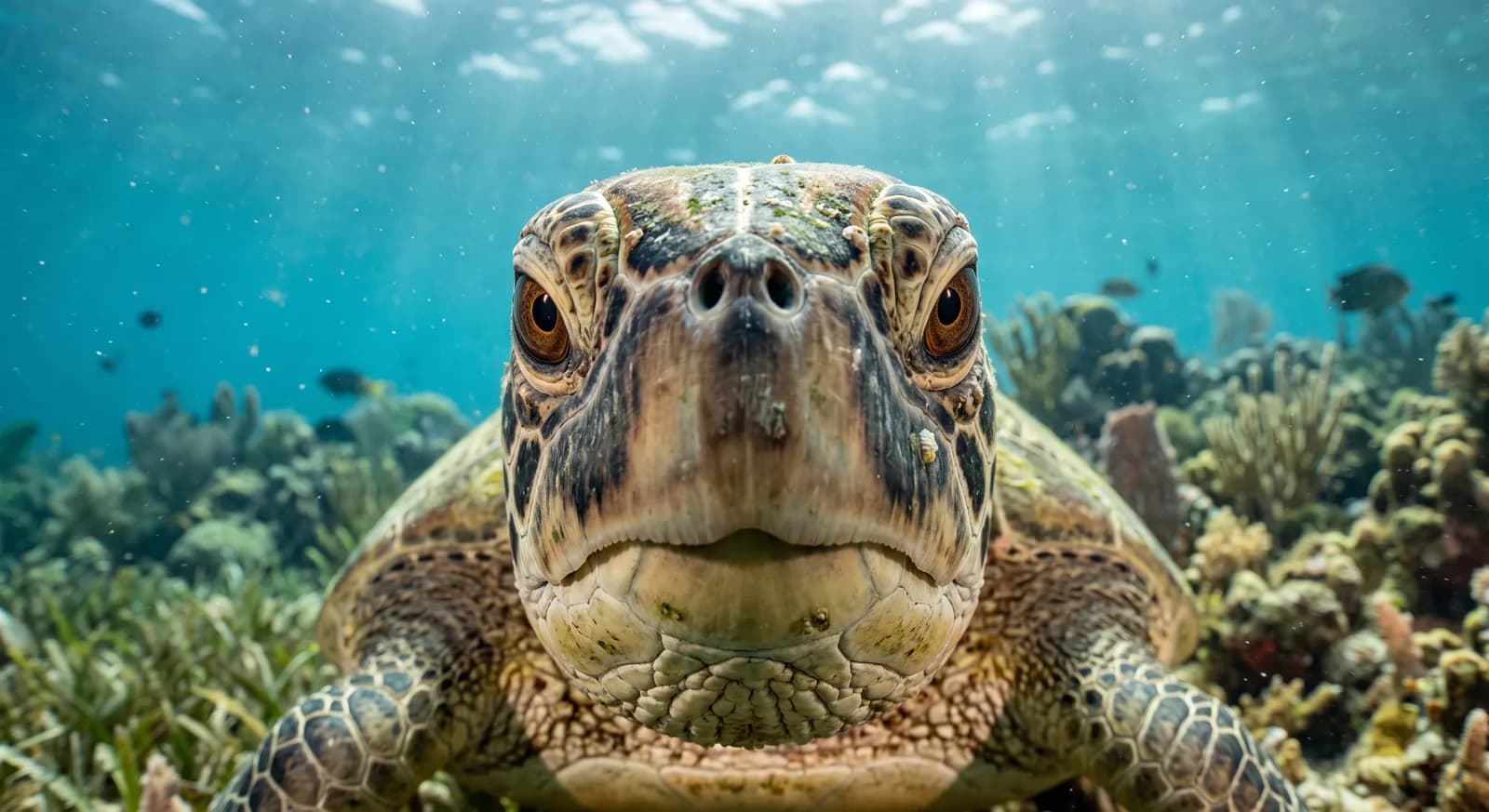
Tortuga verde
Chelonia mydas
Piquero de Abbott
Papasula abbotti
Cangrejo ladrón
Birgus latro
 Least Concern
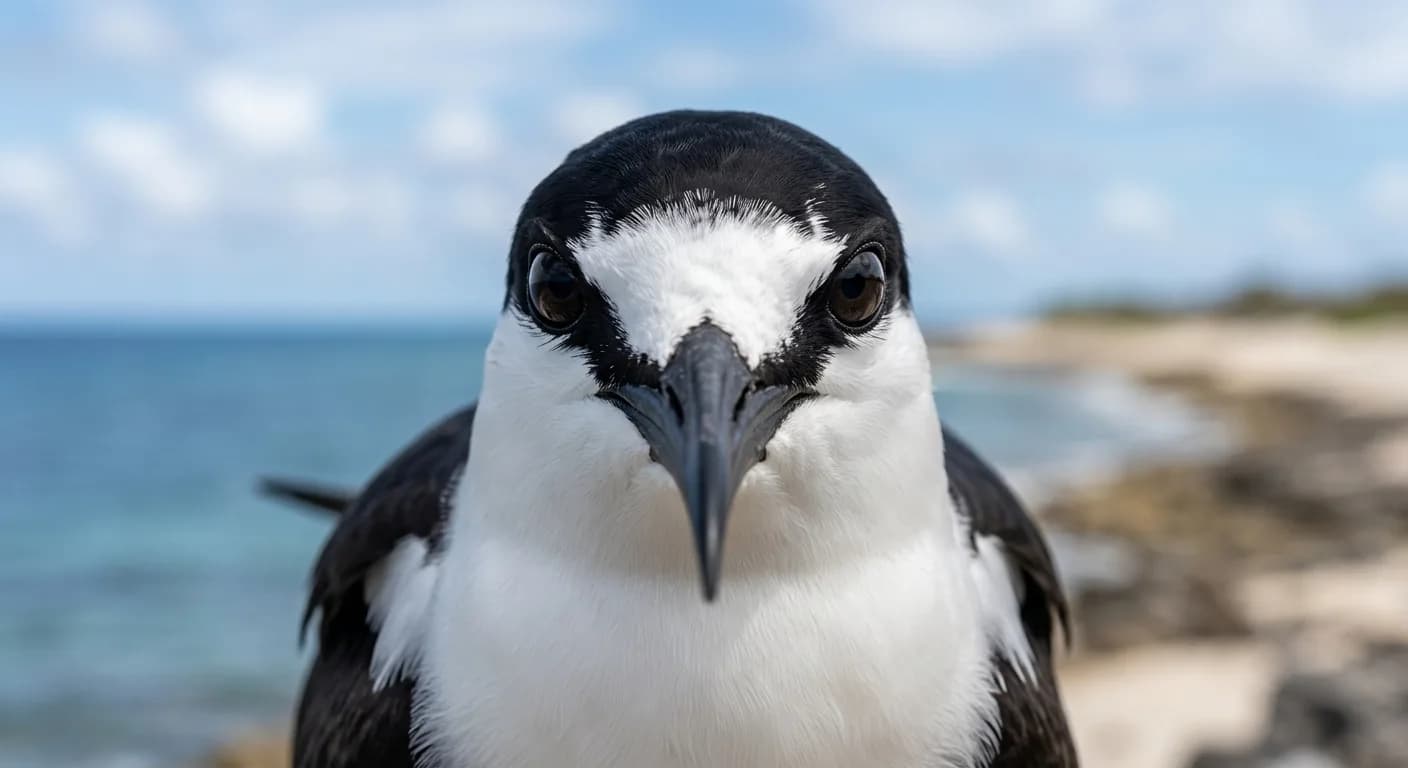
Charrán sombrío
Onychoprion fuscatus
Piquero patirrojo
Sula sula
Tiñosa parda
Anous stolidus
Flora and ecosystems
Ecosystems found in Australia, where Christmas Island lies.
Experiences in this park
Similar parks
Which other parks are like this one?
Maria Island
Australia
Bare-nosed Wombat · Cape Barren Goose
Marzo a mayo
View parkMismo país: Australia
Nitmiluk
Australia
Freshwater Crocodile · Rock-wallaroo
Marzo a mayo
View parkMismo país: Australia
Keep exploring
Based on what we already know about Christmas Island.
Your rating
How many stars would you give Christmas Island?
Comments
Share your experience visiting Christmas Island, or a tip for other travellers.
Be the first to comment.