One of the 22 crabs on WAnimals
Malacostracans · Decapoda · Coenobitidae
Coconut Crab
Birgus latro
It faces a high risk of extinction in the wild over the medium term. See full glossary
The coconut crab is a decapod crustacean of the family Coenobitidae, the only one in its genus; it is the heaviest land arthropod known. The coconut crab is a hermit crab whose characteristic ability is to open coconuts with its powerful claws in order to feed on their contents.
Weight
up to 4 kg
Size
20 cm – 40 cm
Lifespan
60 years
Diet
Omnivore
Combines animal and plant food depending on availability.
Activity
Nocturnal
Active mainly at night.
Social structure
Solitary
Lives and hunts alone, joining others only to breed.
Sighting difficulty
Moderate
Fun facts
- récordIt is the largest land arthropod in the world, and will climb trees to cut coconuts loose with its powerful claws before dropping them to break on the ground.
- Its claws exert one of the highest gripping forces measured in the animal kingdom, enough to crack open a coconut.
- It is so adapted to life on land that it drowns if submerged: it breathes with branchiostegal lungs that it has to keep moist.
- Its larvae are marine: the females come down to the shore to release them, and the young spend their first weeks at sea, in a borrowed shell, before coming ashore for good.
- It is the largest land arthropod in the world: up to a metre across the legs and about 4 kg.
- Its claw is the strongest measured in a land animal: up to some 3,300 newtons in the biggest specimens, a force that far exceeds the bite of most vertebrates and lets it open coconuts.
- It is a hermit crab that gave up the shell. When young it occupies snail shells like any hermit crab, but as it grows it hardens its own abdomen and does without them for good.
- It cannot swim: as an adult it breathes with branchiostegal lungs, rudimentary lungs, and it drowns if submerged. The only exception is the female, who goes down to the shore to release her eggs into the sea.
- Its sense of smell is extraordinary and works in air, not in water: it has remodelled its olfactory organs into a design closer to that of insects, and it detects rotting fruit and carrion from kilometres away.
- It can live sixty years and takes about five to mature, which makes it very vulnerable to overexploitation; it is listed as Vulnerable.
- It has been suspected for decades of being the cause of the disappearance of Amelia Earhart's remains on the island of Nikumaroro, though that is only a hypothesis.
Life cycle & biology
- Skeleton type
- Invertebrate - chitin exoskeleton (crustacean)
- Habitat & environment
- Coastal forest and scrub on Indo-Pacific islands and atolls
- Sexual maturity
- 5 years
Sources consulted: https://es.wikipedia.org/wiki/Birgus_latro
Where to find it
See its range on the interactive mapWhere to watch it
Parques y spots de buceo donde se ha documentado esta especie — se muestran 20 de 30 documentados.
Related species
Other species in the catalogue with the most in common with Coconut Crab — same habitat, park, country, tags or family.
Asian Tiger Shrimp
Penaeus monodon
Christmas Island Red Crab
Gecarcoidea natalis
 Vulnerable
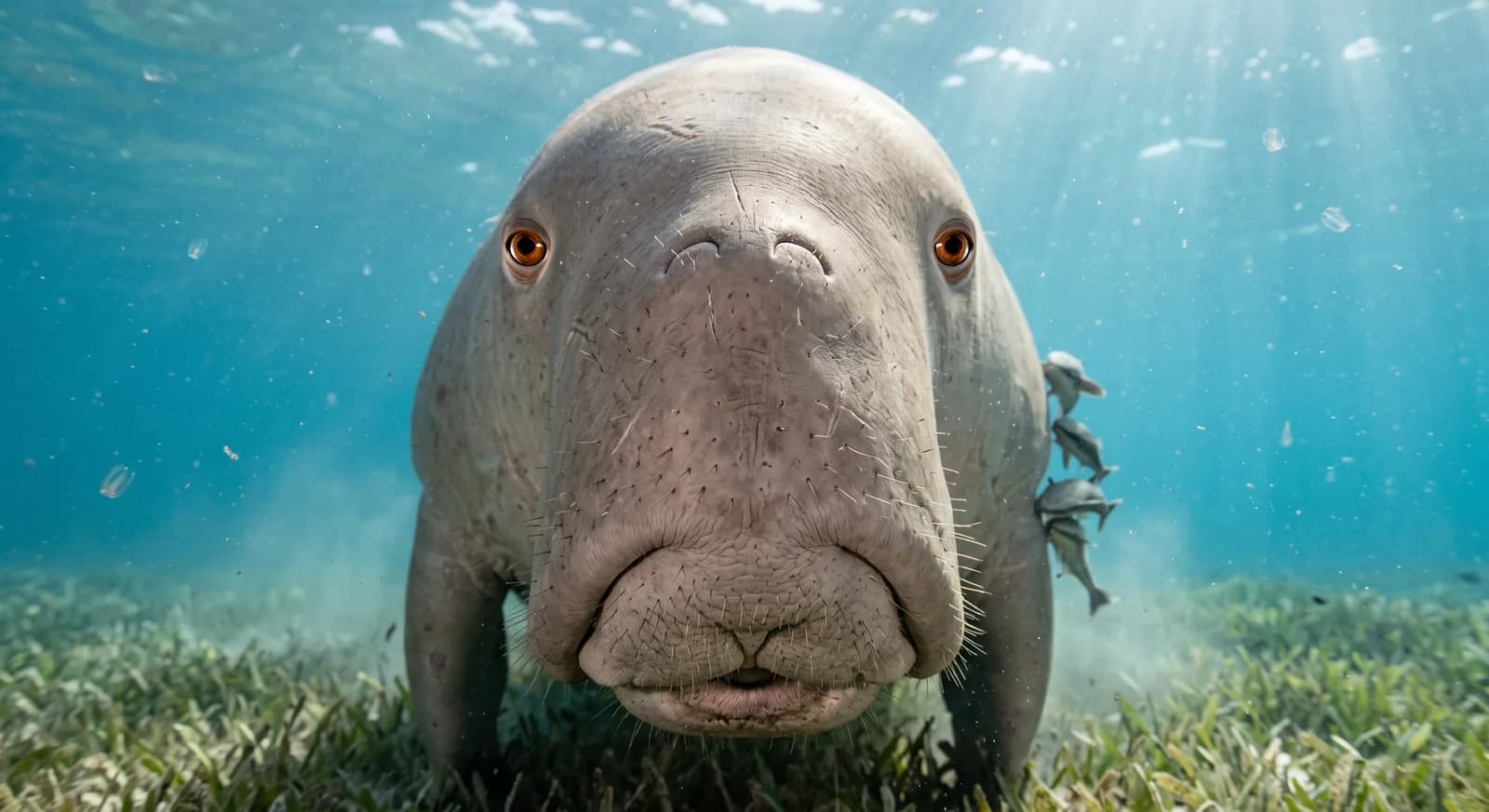
Dugong
Dugong dugon
 Vulnerable
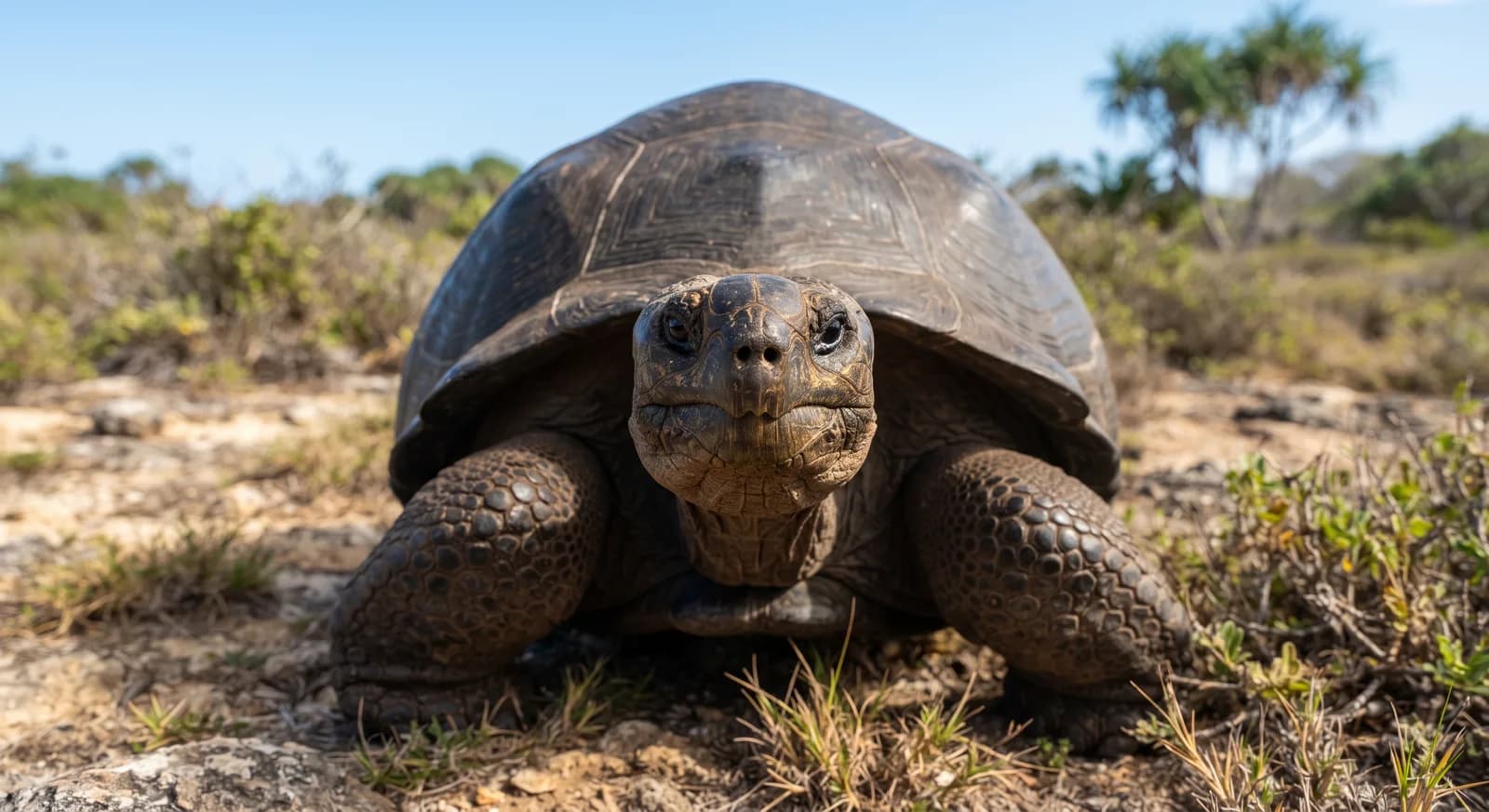
Aldabra Giant Tortoise
Aldabrachelys gigantea
Blacktip Reef Shark
Carcharhinus melanopterus
 Critically Endangered
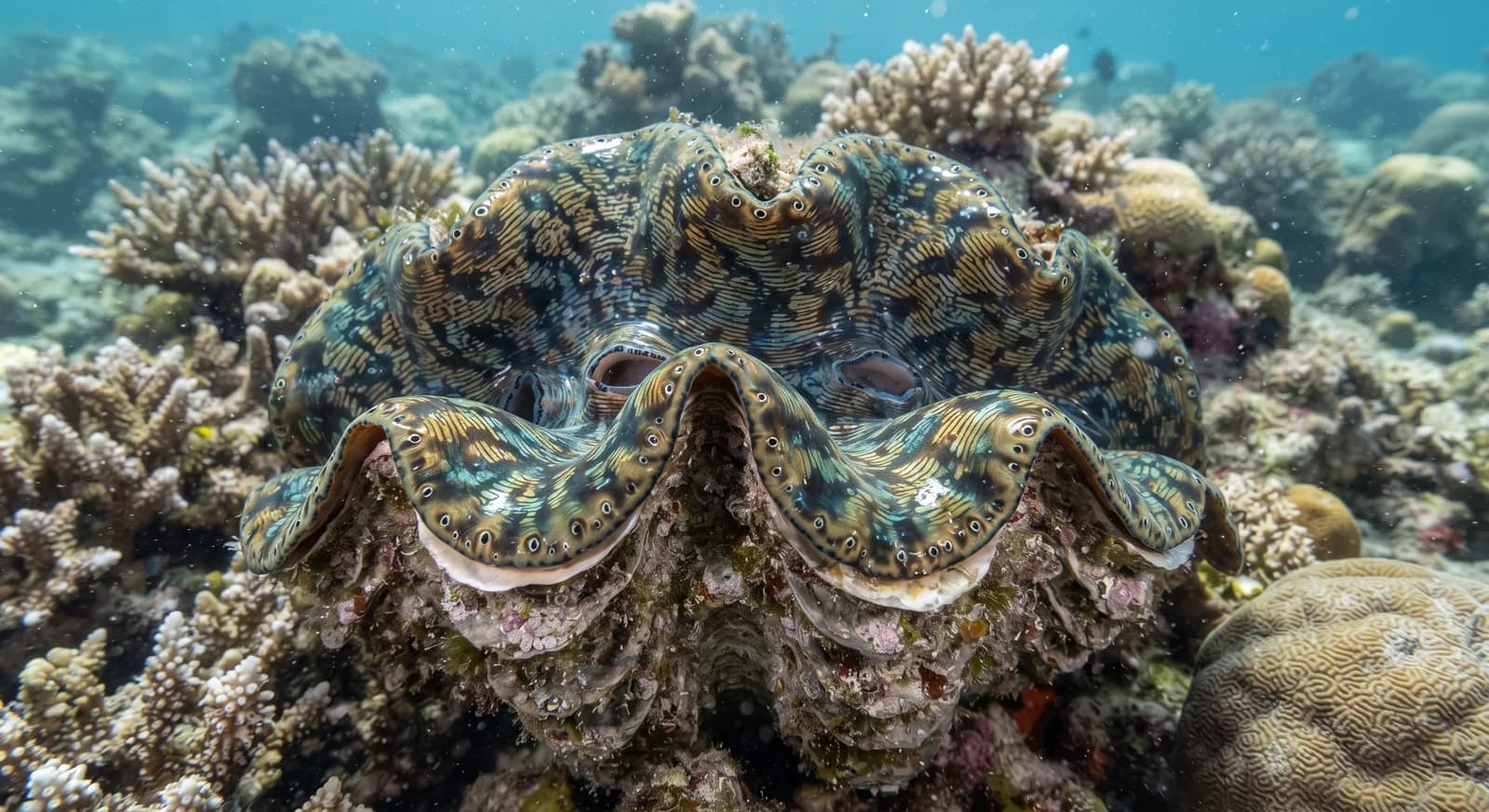
Giant Clam
Tridacna gigas
How to help
The coconut crab is classified as vulnerable. Organizations such as UICN, WWF y Wildlife Conservation Society work specifically on its conservation and that of its habitat; looking into their programs is a good starting point if you want to get involved.
It's documented in 10 real protected areas — part of why protecting these places matters for its conservation.
Keep exploring
Based on what we already know about coconut crab.
Comments
Share an experience, a fun fact or a tip for seeing the coconut crab.
Be the first to comment.