One of the 2 gannets on WAnimals
Birds · Suliformes · Sulidae
Cape Gannet
Morus capensis
It faces a very high risk of extinction in the wild in the near future. See full glossary
The Cape gannet breeds on just six islands in Namibia and South Africa and feeds in the Benguela Current, chasing sardines and anchovies. It dives from twenty or thirty metres and enters the water at more than a hundred kilometres an hour, with subcutaneous air sacs that cushion the impact. Overfishing of sardine in the Benguela Current has caused its population to collapse in recent decades.
Weight
2.3 kg – 3.6 kg
Size
84 cm – 94 cm
Lifespan
25 years
Diet
Carnivore
Feeds mainly on other animals.
Activity
Diurnal
Active mainly during the day.
Social structure
Colony
Lives in large concentrations, often for breeding reasons.
Sighting difficulty
Hard
Fun facts
- It dives from thirty metres and hits the water at more than a hundred kilometres an hour: air sacs under the skin of the neck and breast cushion the impact, and its nostrils are closed internally, opening instead into the mouth.
- Its decline is a direct indicator of fisheries collapse: the population has fallen along with the sardine of the Benguela Current, and the birds have had to replace it with prey of lower nutritional value.
Life cycle & biology
- Skeleton type
- Vertebrate - internal bony skeleton (bird)
- Habitat & environment
- Waters of the Benguela Current; breeds on six islands in South Africa and Namibia
- Sexual maturity
- 4 years
- Gestation / incubation
- 44 days of incubation
- Litter / clutch size
- 1 egg
Sources consulted: https://es.wikipedia.org/wiki/Morus_capensis
Where to find it
See its range on the interactive mapWhere to watch it
Parques y spots de buceo donde se ha documentado esta especie — se muestran 10 de 11 documentados.
Related species
Other species in the catalogue with the most in common with Cape Gannet — same habitat, park, country, tags or family.
Spotted Eagle Ray
Aetobatus narinari
Red-footed Booby
Sula sula
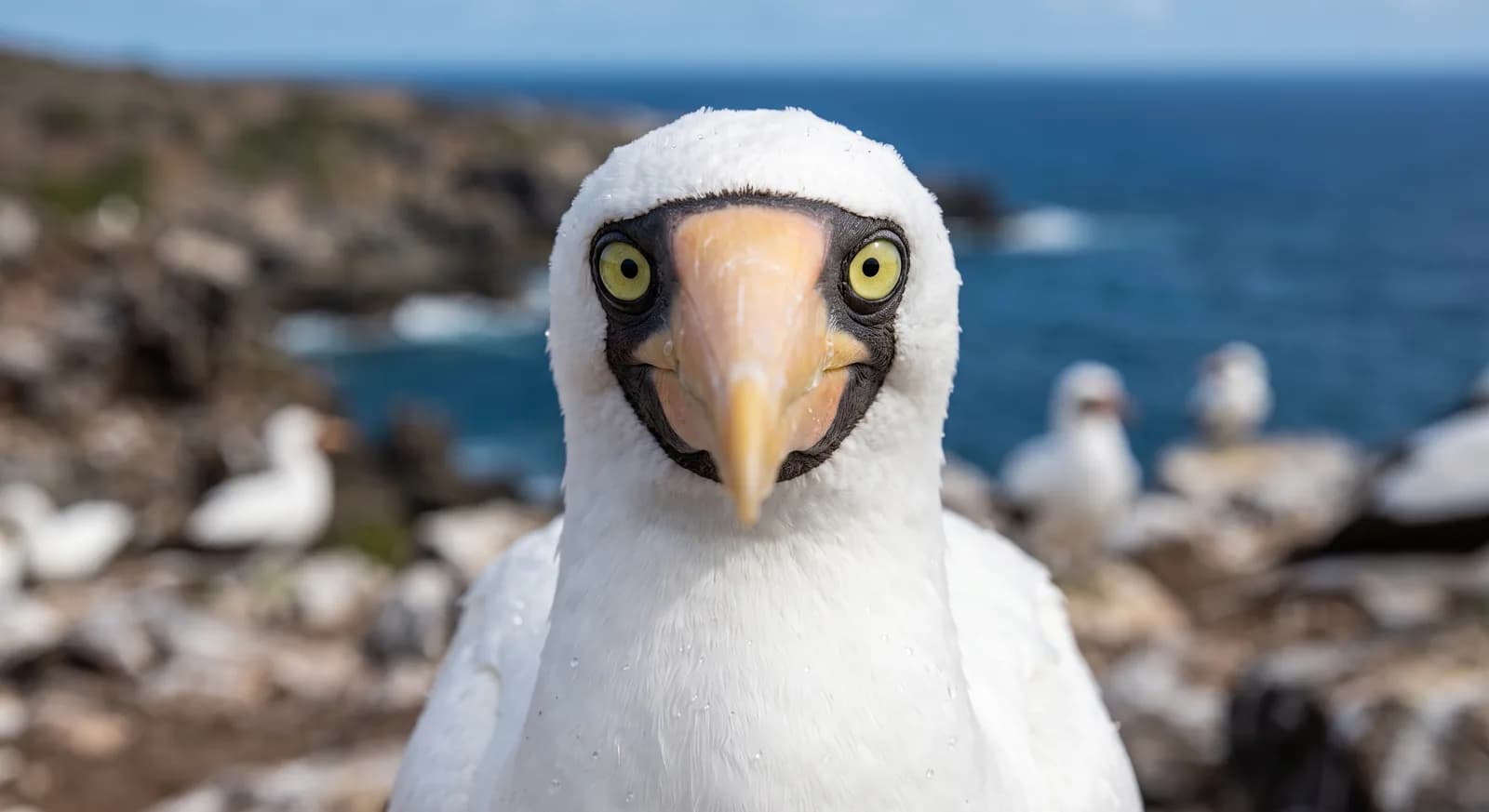 Least Concern
Masked Booby
Sula dactylatra
 Least Concern
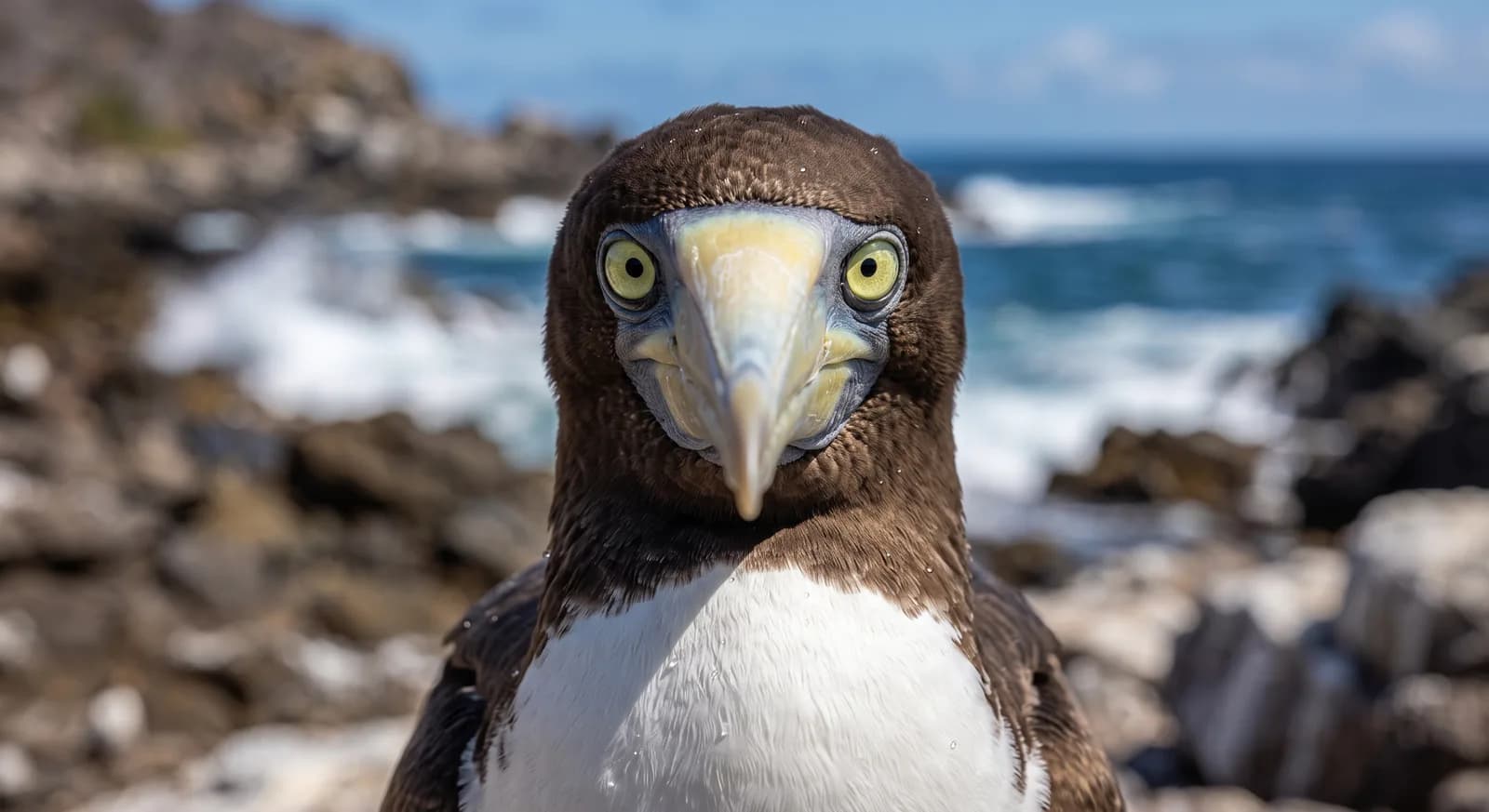
Brown Booby
Sula leucogaster
African Penguin
Spheniscus demersus
Shortfin Mako
Isurus oxyrinchus
How to help
The cape gannet is classified as endangered. Organizations such as UICN, WWF y Wildlife Conservation Society work specifically on its conservation and that of its habitat; looking into their programs is a good starting point if you want to get involved.
It's documented in 6 real protected areas — part of why protecting these places matters for its conservation.
Keep exploring
Based on what we already know about cape gannet.
Comments
Share an experience, a fun fact or a tip for seeing the cape gannet.
Be the first to comment.