Turbellarians · Tricladida · Dugesiidae
Brown Planaria
Dugesia tigrina
It has not yet been assessed against the IUCN criteria. See full glossary
A planarian, a freshwater flatworm with a triangular head and two cup-shaped eyes that give it an unmistakable cross-eyed look. It lives under stones and leaves in ponds and streams, and feeds on small invertebrates and carrion by extending a tubular pharynx from its underside.
Size
up to 2 cm
Diet
Carnivore
Feeds mainly on other animals.
Activity
Nocturnal
Active mainly at night.
Social structure
Solitary
Lives and hunts alone, joining others only to breed.
Sighting difficulty
Unknown
Fun facts
- GeneralCut into pieces, each fragment grows back into a whole animal, head included.
- regeneraciónIt can regrow a whole animal from a tiny fragment of its body, and some studies suggest it may keep some memory after regrowing its head.
- It is one of the central models in research on regeneration and stem cells.
- Its eyes form no images: they detect only the direction and intensity of light, enough for it always to flee towards darkness.
- It regenerates a complete animal from a tiny fragment, head and brain included. It has been the classic model of regeneration since Thomas Hunt Morgan's experiments in the late nineteenth century.
- That ability rests on pluripotent stem cells called neoblasts, distributed throughout the body, which can become any cell type.
- It also reproduces by splitting itself in two: it anchors its front end, stretches the rear until it tears away, and each half regrows what it lacks.
- It has two eyespots that give it a cross-eyed look and that detect light without forming an image; it flees from light.
- It has no anus: the mouth is halfway along its underside, it extends its pharynx like a trunk to swallow, and expels the remains the same way.
Life cycle & biology
- Habitat & environment
- Streams, ponds and clean freshwater springs
Sources consulted: https://en.wikipedia.org/wiki/Girardia_tigrina
Where to find it
See its range on the interactive mapRelated species
Other species in the catalogue with the most in common with Brown Planaria — same habitat, park, country, tags or family.
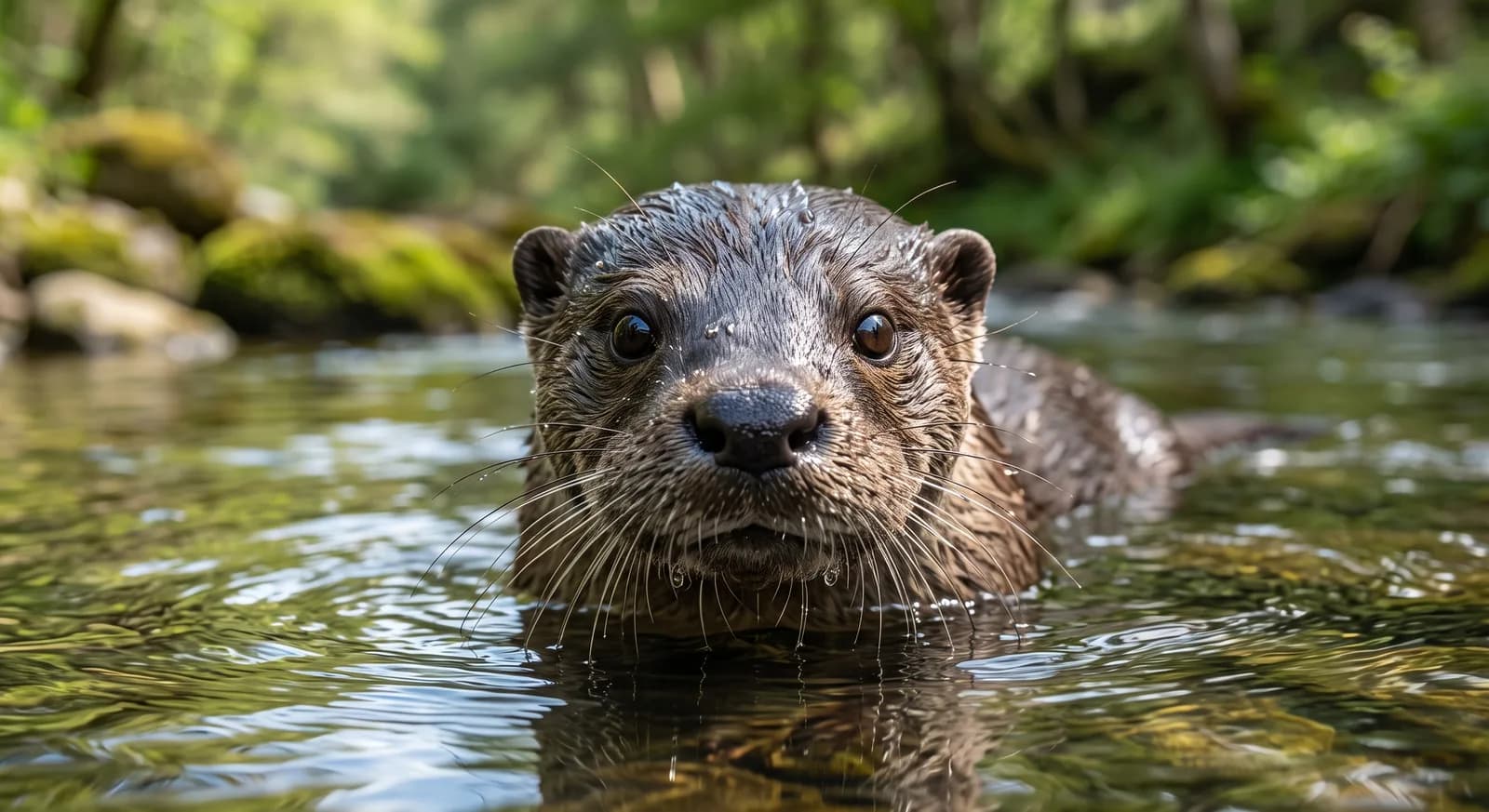 Near Threatened
European Otter
Lutra lutra
Alligator Snapping Turtle
Macrochelys temminckii
Chinese Softshell Turtle
Pelodiscus sinensis
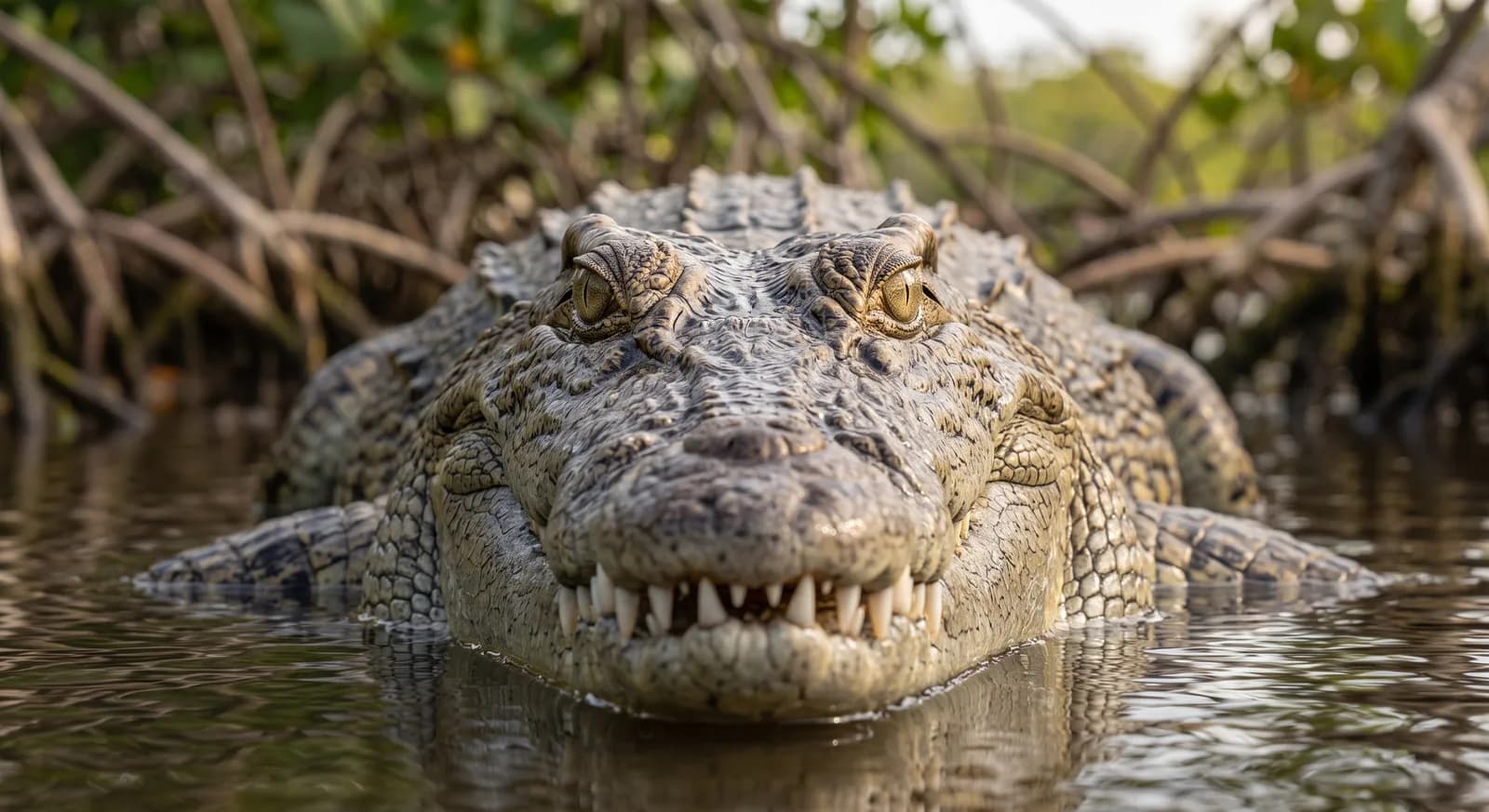 Vulnerable
American Crocodile
Crocodylus acutus
Burmese Python
Python bivittatus
American Bullfrog
Lithobates catesbeianus
Keep exploring
Based on what we already know about brown planaria.
Comments
Share an experience, a fun fact or a tip for seeing the brown planaria.
Be the first to comment.