One of the 2 rails on WAnimals
Birds · Gruiformes · Rallidae
Lord Howe Woodhen
Gallirallus sylvestris
It faces a very high risk of extinction in the wild in the near future. See full glossary
A medium-sized rail, olive brown in colour, with a short tail, a downcurved bill, a red iris and chestnut-toned wings. It cannot fly.
Weight
456 g – 536 g
Size
32 cm – 42 cm
Lifespan
13 years
Diet
Carnivore
Feeds mainly on other animals.
Activity
Diurnal
Active mainly during the day.
Social structure
In pairs
Usually lives in pairs, sometimes for life.
Sighting difficulty
Hard
Fun facts
- It eats worms, crustaceans and fruit, and occasionally other prey: it is one of the rails with the most varied diet.
- It is one of more than thirty rail species that have lost the ability to fly after colonising oceanic islands, an evolutionary pattern repeated throughout the family.
- Its recovery from a tiny population is one of the most frequently cited cases of island management in Australia.
Life cycle & biology
- Skeleton type
- Vertebrate - internal bony skeleton (bird)
- Habitat & environment
- Subtropical forest of Lord Howe Island, off the Australian coast, where it is endemic
- Sexual maturity
- 9 months
- Litter / clutch size
- 1-4 eggs; a female may lay again thirty days after the previous clutch
Sources consulted: IUCN Red List; Wikipedia (Lord Howe woodhen); Birds of the World (Cornell); HANZAB; NSW Government; Sclater 1870
Where to find it
See its range on the interactive mapBest time: All year round in the subtropical forests of Lord Howe Island
Where to watch it
Parks and dive sites where this species has been documented.
Related species
Other species in the catalogue with the most in common with Lord Howe Woodhen — same habitat, park, country, tags or family.
South Island Takahe
Porphyrio hochstetteri
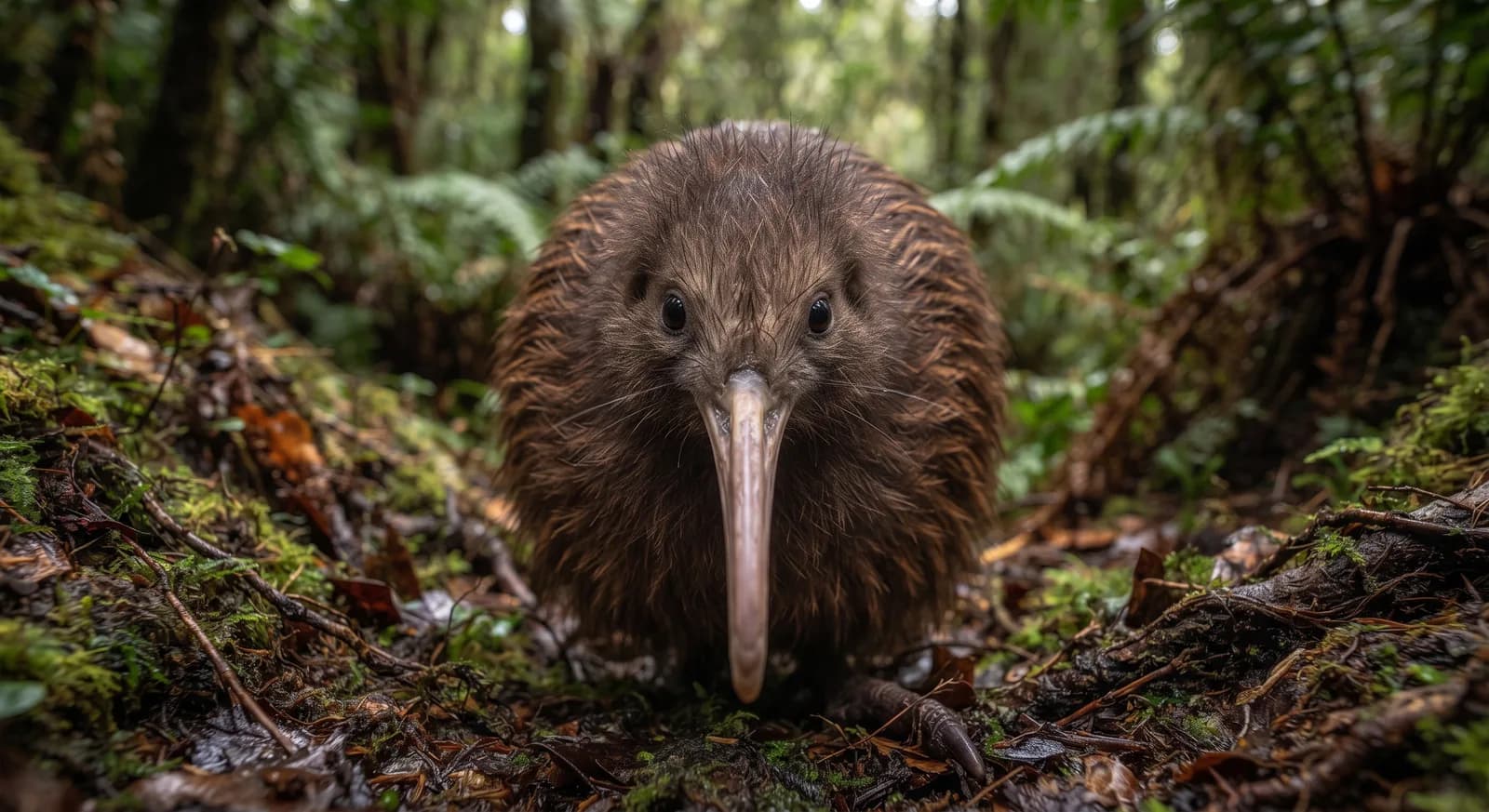 Vulnerable
Weka
Gallirallus australis
 Least Concern
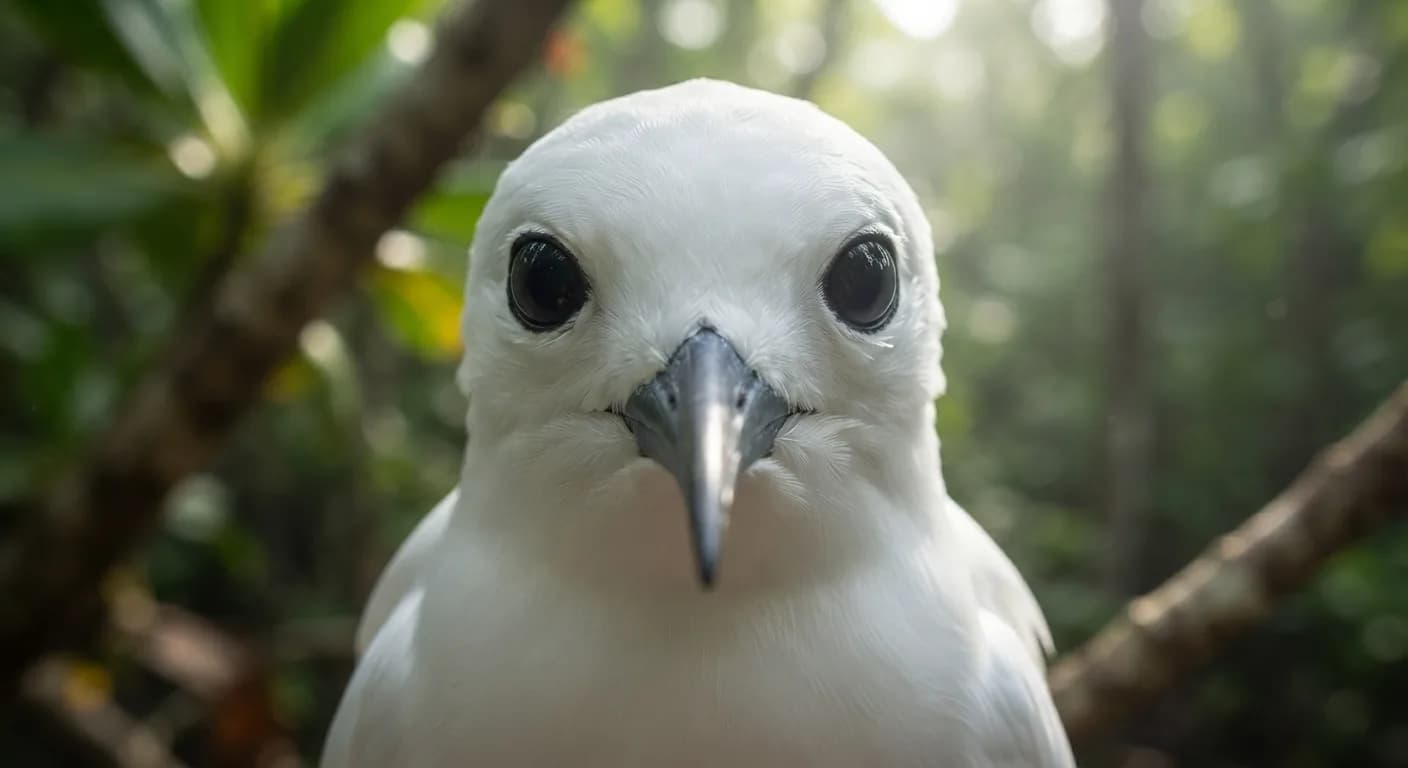
Atlantic White Tern
Gygis alba
 Endangered
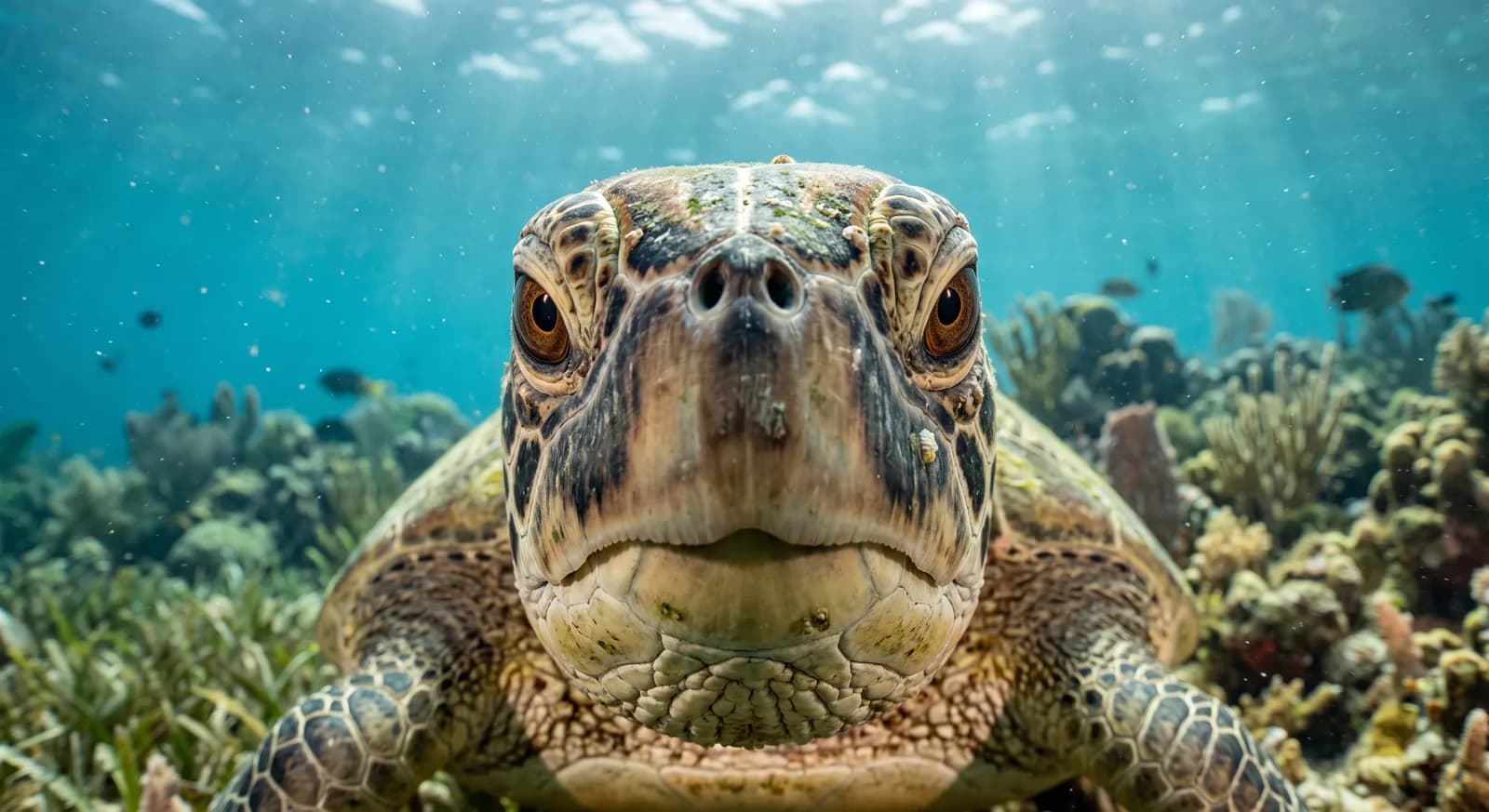
Green Turtle
Chelonia mydas
Red-Knobbed Coot
Fulica cristata
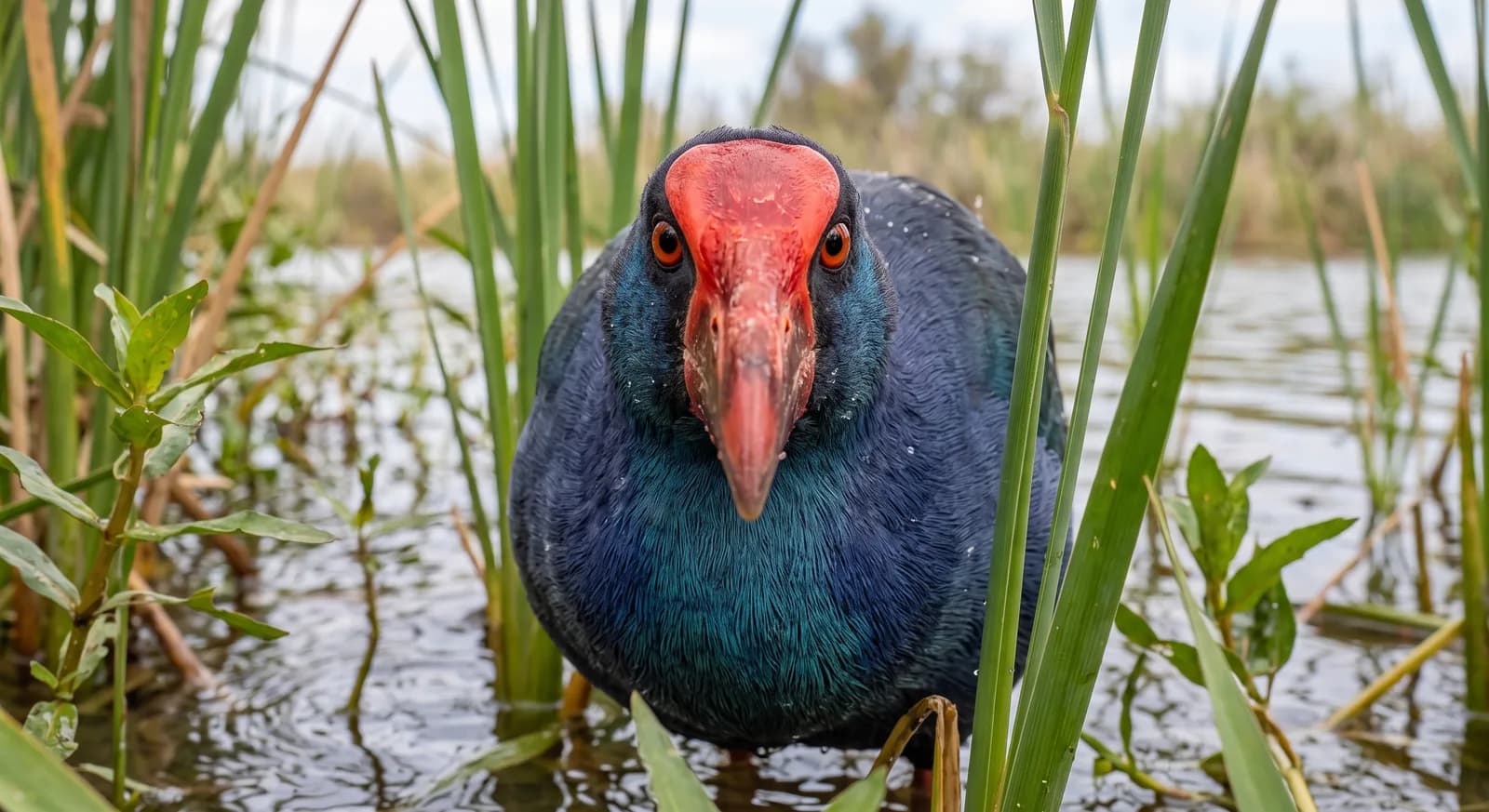 Least Concern
Purple Swamphen
Porphyrio porphyrio
How to help
The lord howe woodhen is classified as endangered. Organizations such as UICN, WWF y Wildlife Conservation Society work specifically on its conservation and that of its habitat; looking into their programs is a good starting point if you want to get involved.
It's documented in 1 real protected area — part of why protecting these places matters for its conservation.
Keep exploring
Based on what we already know about lord howe woodhen.
Comments
Share an experience, a fun fact or a tip for seeing the lord howe woodhen.
Be the first to comment.