One of the 2 tamarins on WAnimals
Mammals · Primates · Cebidae
Cottontop Tamarin
Saguinus oedipus
It faces an extremely high risk of imminent extinction in the wild. See full glossary
It is one of the most threatened primates in the world, confined to forest fragments in north-western Colombia. Only the group's dominant female breeds, while the father does most of the carrying of the young.
Weight
440 g – 450 g
Size
24 cm on average
Lifespan
13 years
Diet
Omnivore
Combines animal and plant food depending on availability.
Activity
Diurnal
Active mainly during the day.
Social structure
Family group
Lives in small family groups with close bonds.
Sighting difficulty
Very hard
Fun facts
- It is one of the most threatened primates in the world.
- Only the group's dominant female breeds.
- The father does most of the carrying of the young.
Life cycle & biology
- Skeleton type
- Vertebrate - internal bony skeleton (mammal)
- Habitat & environment
- Tropical dry and secondary lowland forest of north-western Colombia
- Birth weight
- 39.4 grams (~15-20% of the mother's weight per young)
- Size at birth
- Well developed, eyes open and with a small tuft of white hair already visible at birth
- Sexual maturity
- 15-18 months
- Gestation / incubation
- 140-183 days (~5-6 months, depending on the source)
- Litter / clutch size
- 1 to 2 young per litter (non-identical twins most often)
- Lifespan in captivity
- Documented record of up to 26.2 years in captivity
Sources consulted: Animal Diversity Web; AnAge; Potter Park Zoo; A-Z Animals; National Geographic; Grokipedia; PMC; Animalia.bio
Related species
Other species in the catalogue with the most in common with Cottontop Tamarin — same habitat, park, country, tags or family.
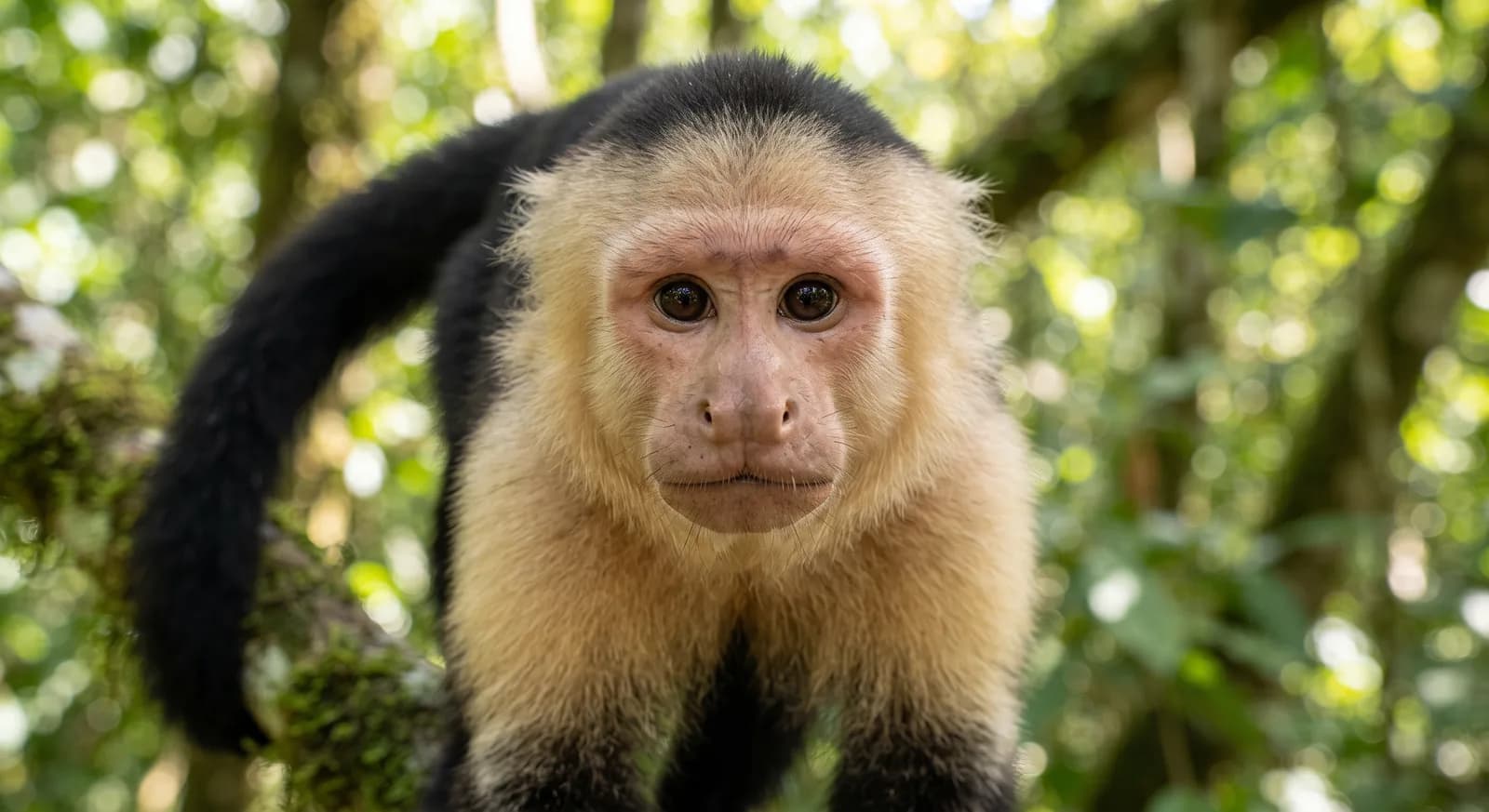 Least Concern
Colombian White-throated Capuchin
Cebus capucinus
Guianan Squirrel Monkey
Saimiri sciureus
Bolivian Squirrel Monkey
Saimiri boliviensis
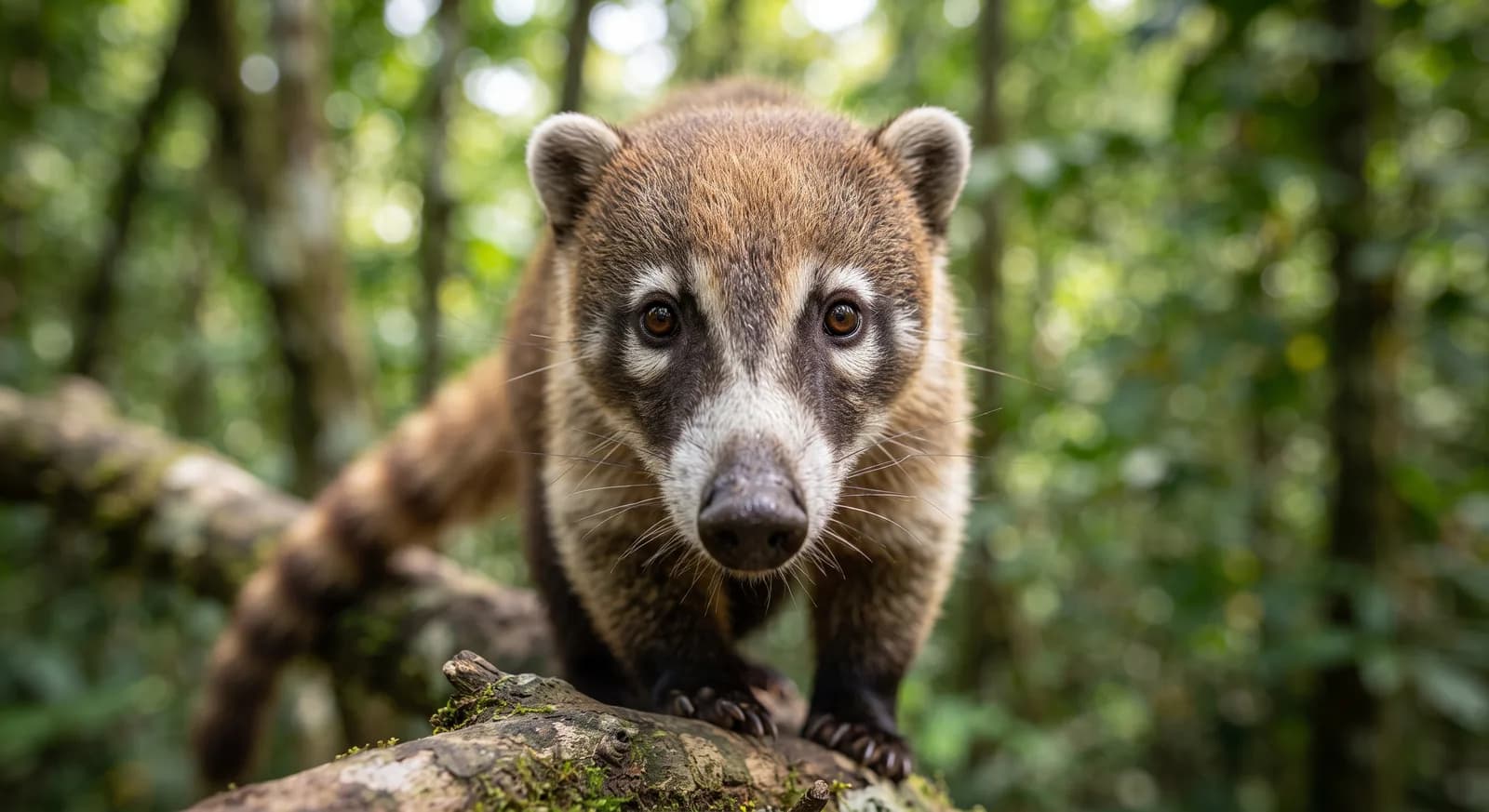 Least Concern
White-nosed Coati
Nasua narica
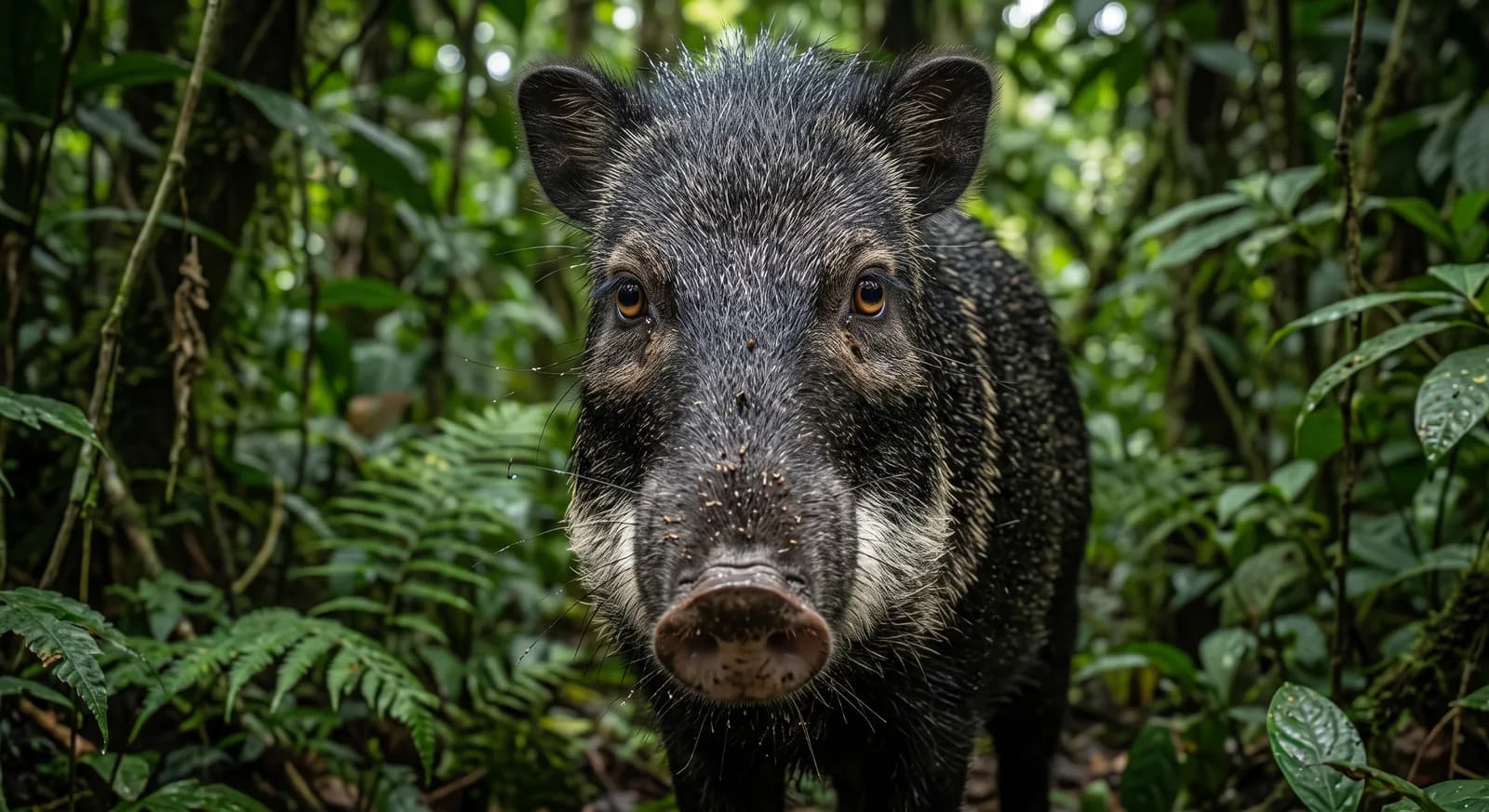 Vulnerable
White-Lipped Peccary
Tayassu pecari
Indian Peafowl
Pavo cristatus
How to help
The cottontop tamarin is classified as critically endangered. Organizations such as UICN, WWF y Wildlife Conservation Society work specifically on its conservation and that of its habitat; looking into their programs is a good starting point if you want to get involved.
Keep exploring
Based on what we already know about cottontop tamarin.
Comments
Share an experience, a fun fact or a tip for seeing the cottontop tamarin.
Be the first to comment.