Kampinoski
Poland · Central EuropePoland's second-largest national park, a forest of inland dunes and marshes on the doorstep of Warsaw.
Area
385 km²
Declared in
1959
Region
Central Europe
Climate
Templado, Montañoso
Highlight
Inland dunes and marshes on the old bed of the Vistula
Kampinos National Park was created in 1959 in east-central Poland, in the Masovian voivodeship, just north-west of Warsaw. It is Poland's second largest national park by area and the only one in its voivodeship. It was declared with 407 km² and today covers 385.44 km², of which some 46 are under strict protection, plus a peripheral zone of a further 37,756 hectares. The idea of protecting it was raised as early as the 1920s, and in the 1930s the first forest reserves of Granica, Sieraków and Zamczysko were created.
It protects the Kampinos Forest, a remnant of the old Masovian woodland, set on the palaeochannel of the Vistula, in the western part of the Warsaw basin. Its most characteristic geomorphological feature is the alternation between two parallel environments: belts of inland continental dunes, formed by wind over the river sands after the last glaciation and now fixed by pinewoods, and the depressions between them, waterlogged and occupied by marshes, alder carr and damp meadows. It is one of the finest examples of this kind of landscape in Europe.
From the seventeenth century clearings were broken and villages raised within the forest, and the farmed area grew well into the twentieth century. Since the late 1970s the park has been buying up that land and progressively reforesting it, reducing settlement inside: recovering a pinewood takes some 150 years and rebuilding a mature broadleaved forest between 350 and 400. The fauna includes elk, beaver and lynx, the subject of a reintroduction programme, as well as a notable woodland and wetland birdlife. In January 2000 UNESCO inscribed the Kampinos Forest Biosphere Reserve, whose boundaries coincide with those of the park's peripheral zone. Beside the park, at Żelazowa Wola, stands the birthplace of Frédéric Chopin.
Location
See on the interactive map1 dive site within 300 km is also shown.
217 species documented in Kampinoski
At conservation risk:Cangrejo de río europeo,Hámster europeo,Nóctulo grande,Porrón europeo,Rata de agua,Suslik europeo
Abeja albañil
Osmia bicornis
Abeja del sudor europea
Lasioglossum malachurum
Abeja minera fulva
Andrena fulva
Abejorro común
Melolontha melolontha
Abejorro terrestre
Bombus terrestris
Acentor común
Prunella modularis
Águila calzada
Hieraaetus pennatus
Águila pomerana
Clanga pomarina
Aguilucho cenizo
Circus pygargus
 Least Concern
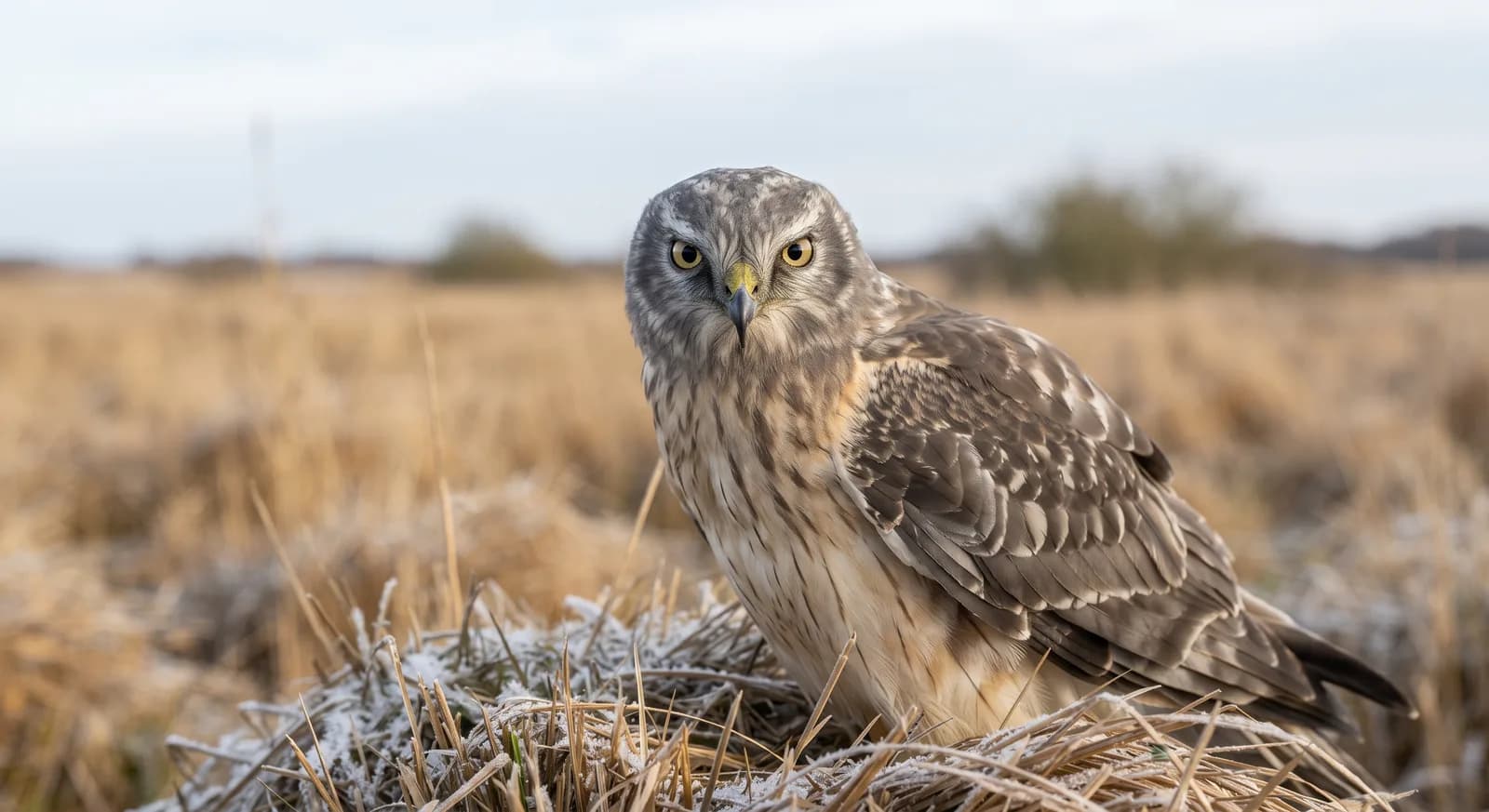
Aguilucho pálido
Circus cyaneus
 Least Concern
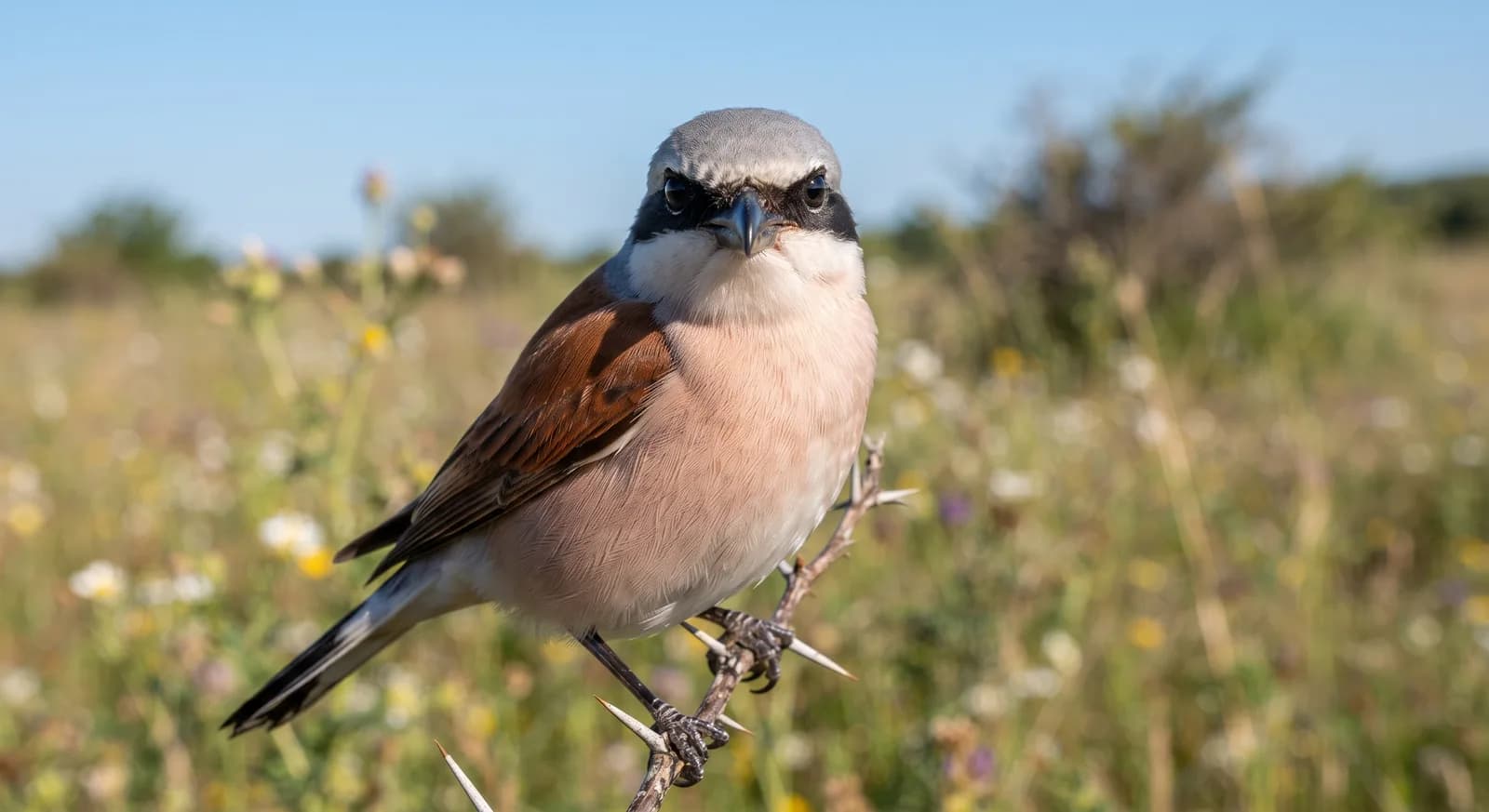
Alcaudón dorsirrojo
Lanius collurio
Alcaudón real
Lanius excubitor
Flora and ecosystems
Ecosystems found in Poland, where Kampinoski lies.
Experiences in this park
Nearby dive sites
Where can I dive near here?
Gdansk (pecios bálticos)
270 km away
Similar parks
Which other parks are like this one?
Biebrzański
Poland
Aquatic Warbler · Moose
View parkMismo país: Poland
Karkonoski
Poland
Mouflon · White-throated Dipper
View parkMismo país: Poland
Bieszczady
Poland
Grey wolf · brown bear
View parkMismo país: Poland
Keep exploring
Based on what we already know about Kampinoski.
Your rating
How many stars would you give Kampinoski?
Comments
Share your experience visiting Kampinoski, or a tip for other travellers.
Be the first to comment.