Meteora
Greece · Southern EuropeMonasteries perched on sixty-million-year-old conglomerate pillars, a property inscribed under both cultural and natural criteria.
Area
3.75 km²
Declared in
1988
Region
Southern Europe
Climate
Mediterráneo, Montañoso
Highlight
Conglomerate pillars crowned by Byzantine monasteries
Meteora lies east of the Pindus range, in north-western Thessaly, some twenty-five kilometres north-north-west of Trikala. The name comes from the Greek meteoron, "suspended in the air", and describes the position of its monasteries, perched on rock pillars that rise above twenty metres and in many cases above three hundred.
The geological formation is some sixty million years old: it originated from river sediments laid down in an ancient delta, cemented into conglomerate and then uplifted and eroded until they were left isolated as vertical towers. Religious occupation began around the year 1000 with hermits settling in the cracks and caves of the pillars; the first documented buildings date from the eleventh century at Doupiani, and the first monastic community was founded in 1356 by Athanasios, from Mount Athos, who created the Great Meteoron following the strict rule of St Basil. The fifteenth and sixteenth centuries were its heyday, with twenty-four monasteries in operation; six remain today, among them the Great Meteoron, Varlaam, Agios Nikolaos Anapafsas, Rousanou, Agia Triada and Agios Stefanos.
For centuries the only access was by nets hauled up on pulleys and by retractable ladders that the monks drew up behind them. UNESCO inscribed it in 1988 under cultural criteria (i), (ii), (iv) and (v) and under natural criterion (vii), an uncommon combination that recognises both the monastic ensemble and the exceptional nature of the rock landscape. The crags also hold cliff-nesting birds and bat colonies.
Location
See on the interactive map4 dive sites within 300 km are also shown.
102 species documented in Meteora
At conservation risk:Murciélago de cueva (murciélago de alas largas),Tortuga mora
Abeja albañil
Osmia bicornis
Abeja carpintera violeta
Xylocopa violacea
Abeja del sudor europea
Lasioglossum malachurum
Abejorro común
Melolontha melolontha
Abejorro terrestre
Bombus terrestris
Abubilla
Upupa epops
Águila calzada
Hieraaetus pennatus
 Least Concern
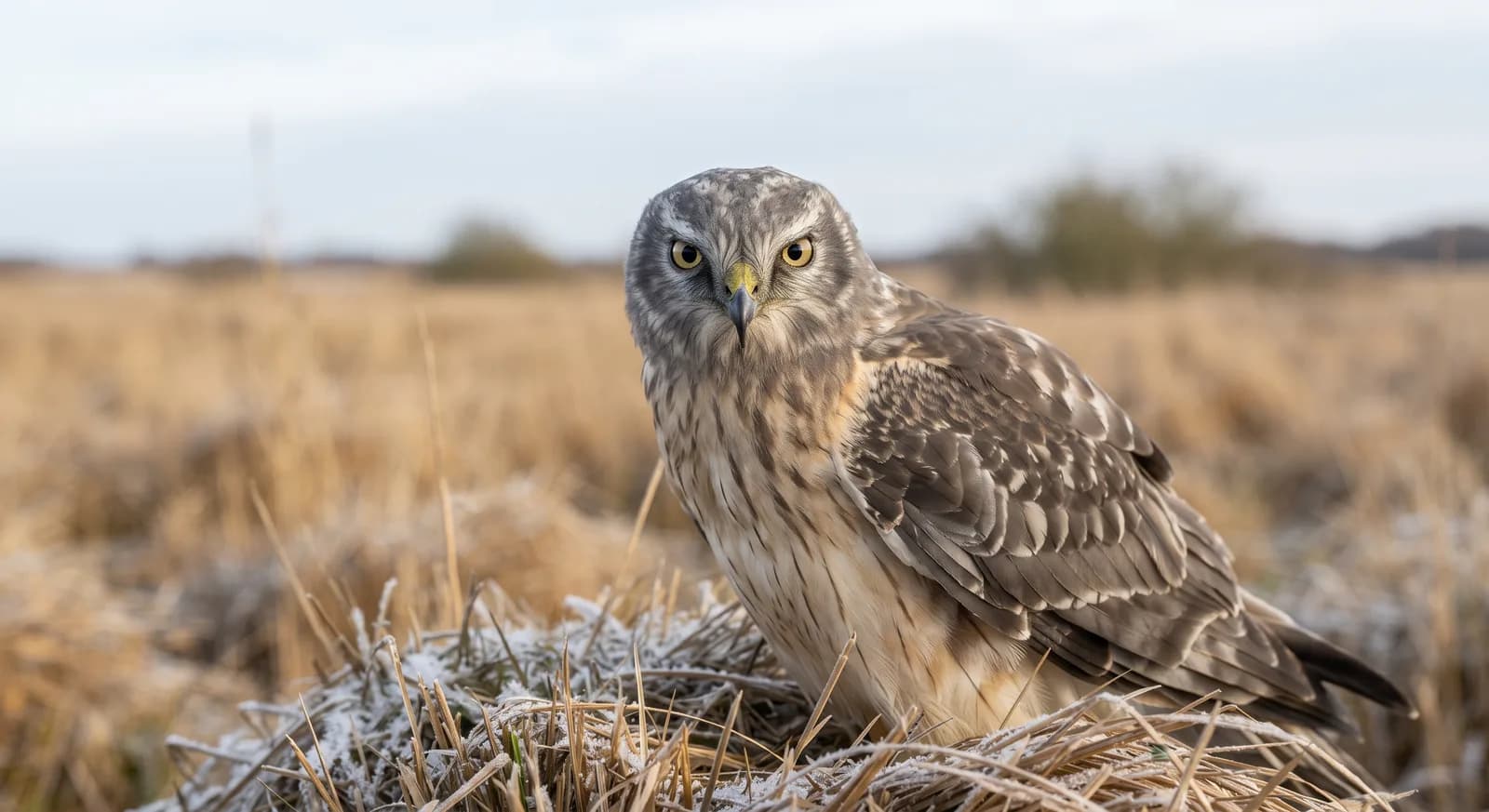
Aguilucho pálido
Circus cyaneus
Alcaudón común
Lanius senator
 Least Concern
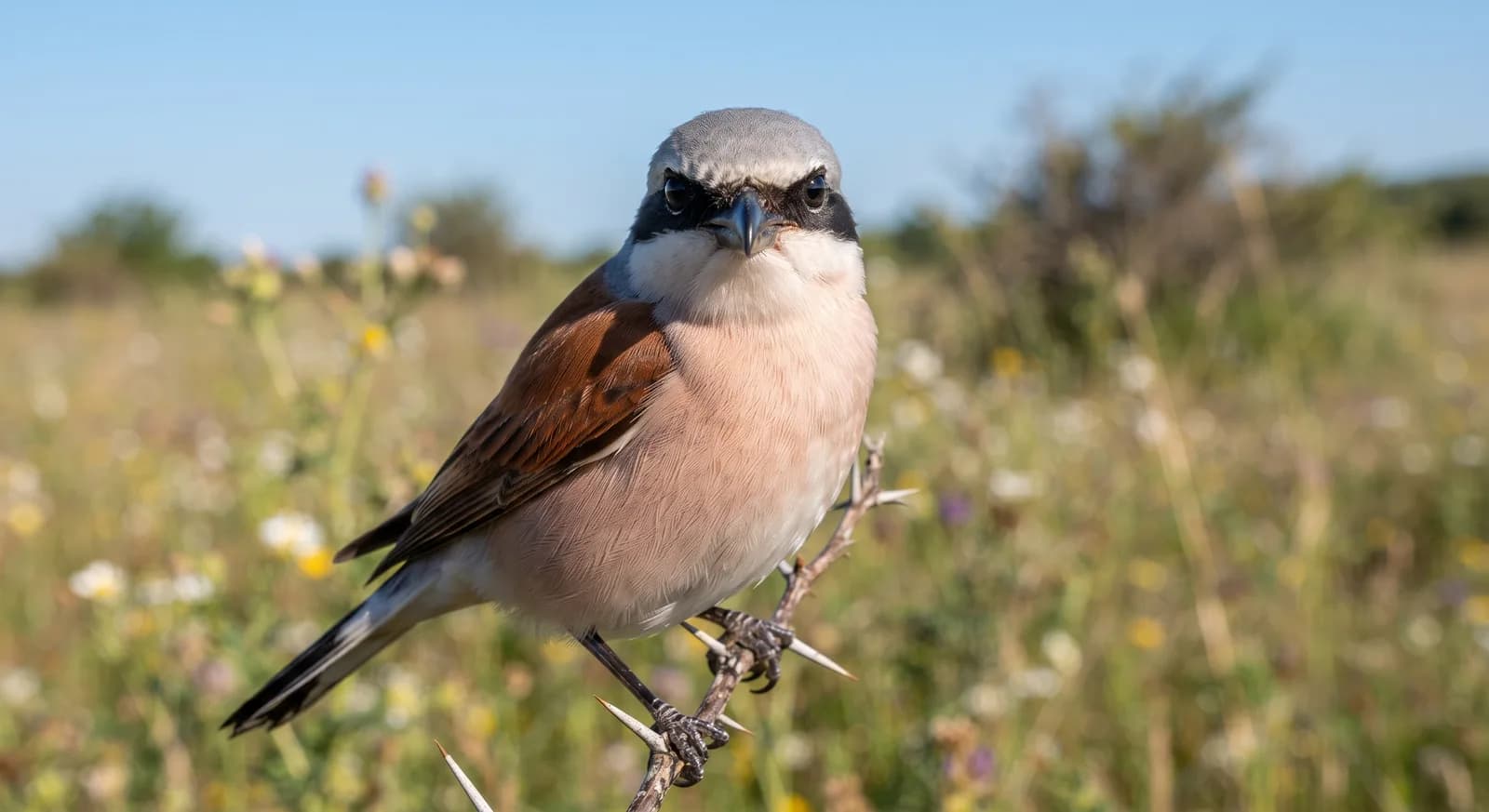
Alcaudón dorsirrojo
Lanius collurio
 Least Concern
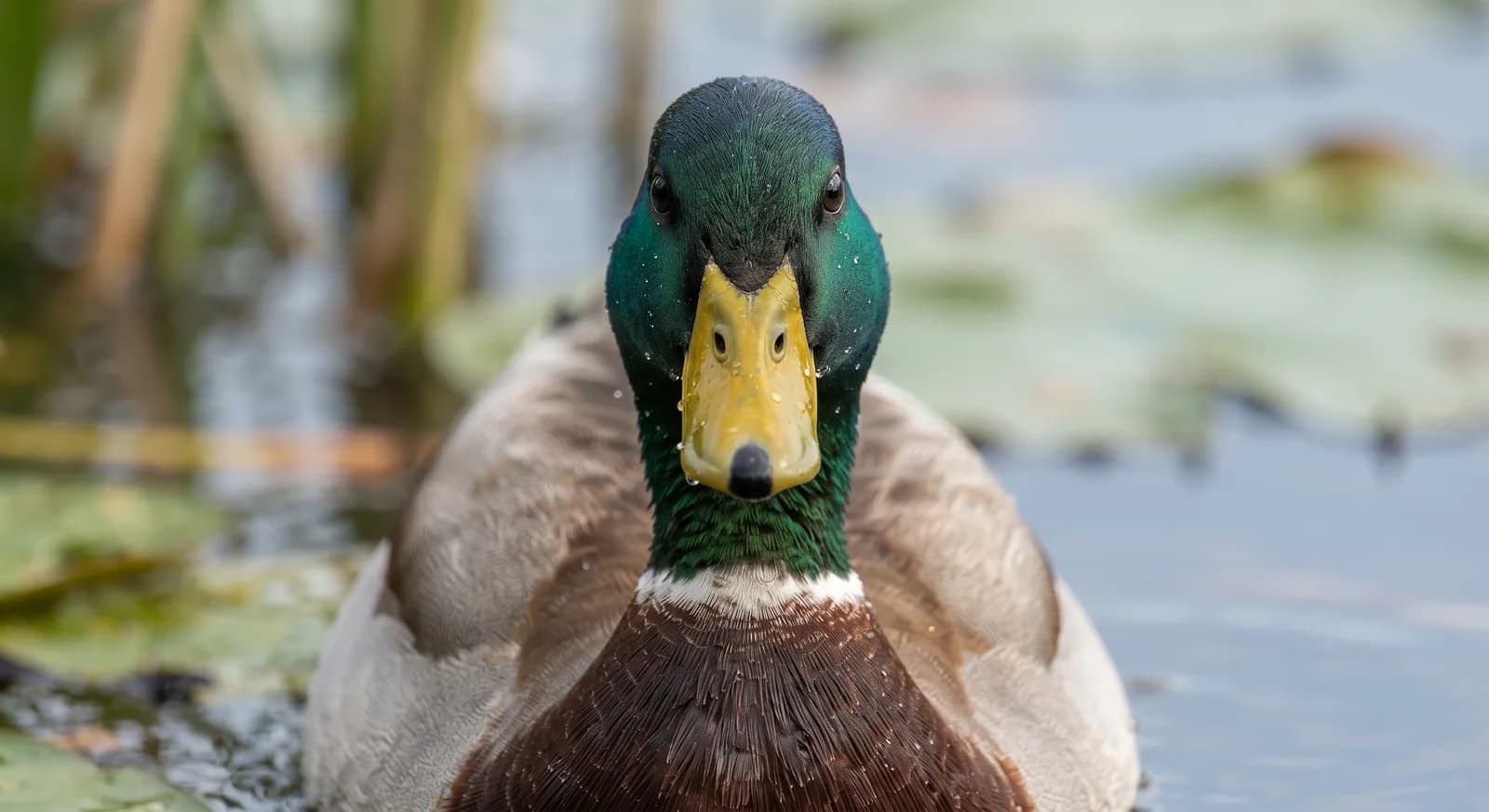
Ánade real
Anas platyrhynchos
Araña avispa
Argiope bruennichi
Flora and ecosystems
Ecosystems found in Greece, where Meteora lies.
Experiences in this park
Nearby dive sites
Where can I dive near here?
Ksamil
139 km away
Corfú (Paleokastritsa)
164 km away
Halkidiki
202 km away
Zakynthos (tortuga boba)
220 km away
Wildlife you can see now
What is worth watching this month in Greece?
 Vulnerable
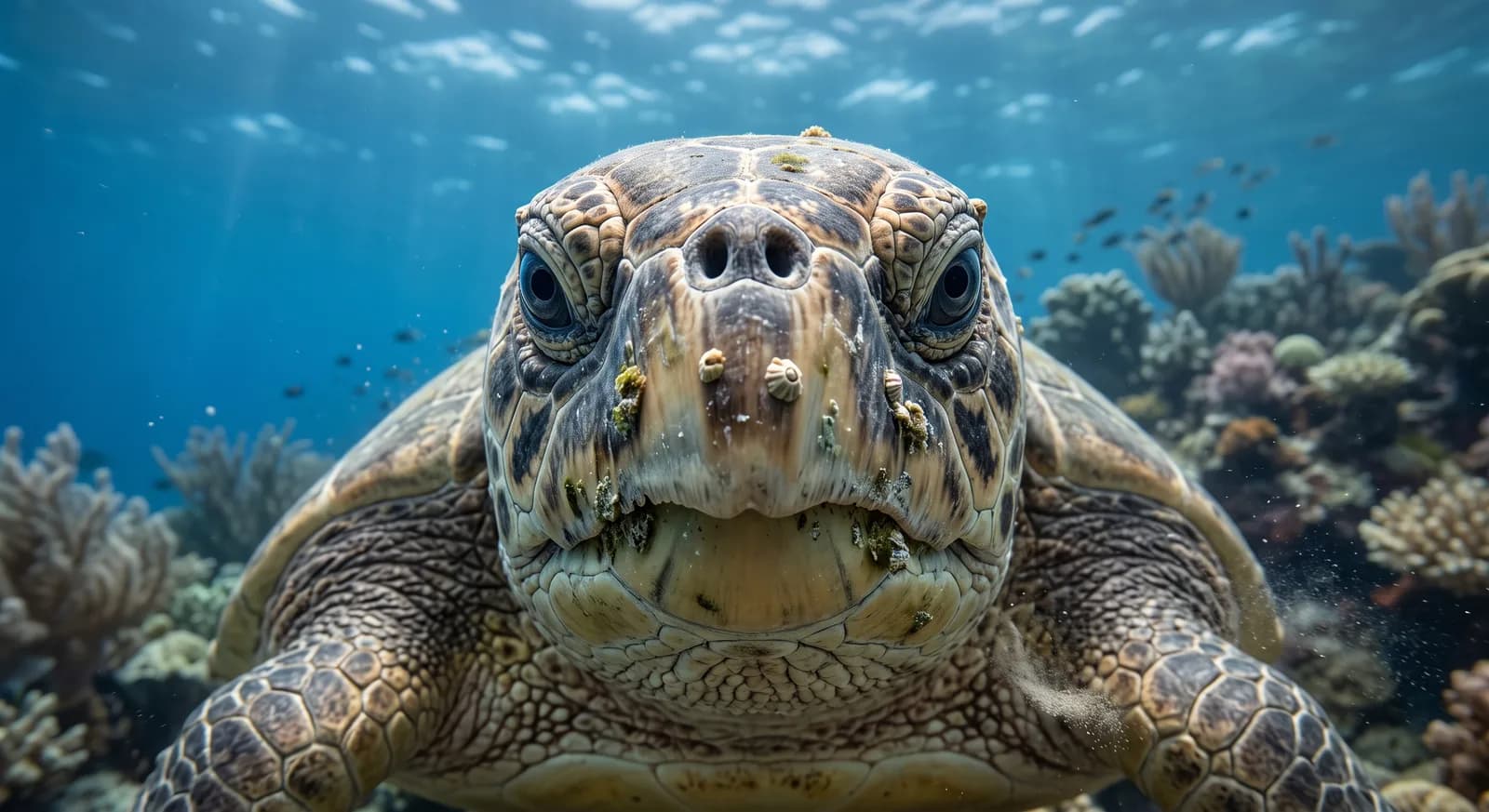
Loggerhead Turtle
Caretta caretta
Ahora es buena época: Anidación de tortuga boba en Zante (Zakynthos) (Mayo a octubre (nidificación pico jun-jul))
Similar parks
Which other parks are like this one?
Monte Athos
Greece
Golden Jackal · Wild Boar
View parkMismo país: Greece
Ainos
Greece
Semi-feral Horses · Pine Marten
View parkMismo país: Greece
Mount Olympus
Greece
Griffon Vulture
View parkMismo país: Greece
Parnaso
Greece
Wolf · Wild Boar
View parkMismo país: Greece
Keep exploring
Based on what we already know about Meteora.
Your rating
How many stars would you give Meteora?
Comments
Share your experience visiting Meteora, or a tip for other travellers.
Be the first to comment.