National ParkUNESCO World HeritageBiosphere Reserve
Jiuzhaigou
East Asia (Sichuan)Designated in 1978720 km²
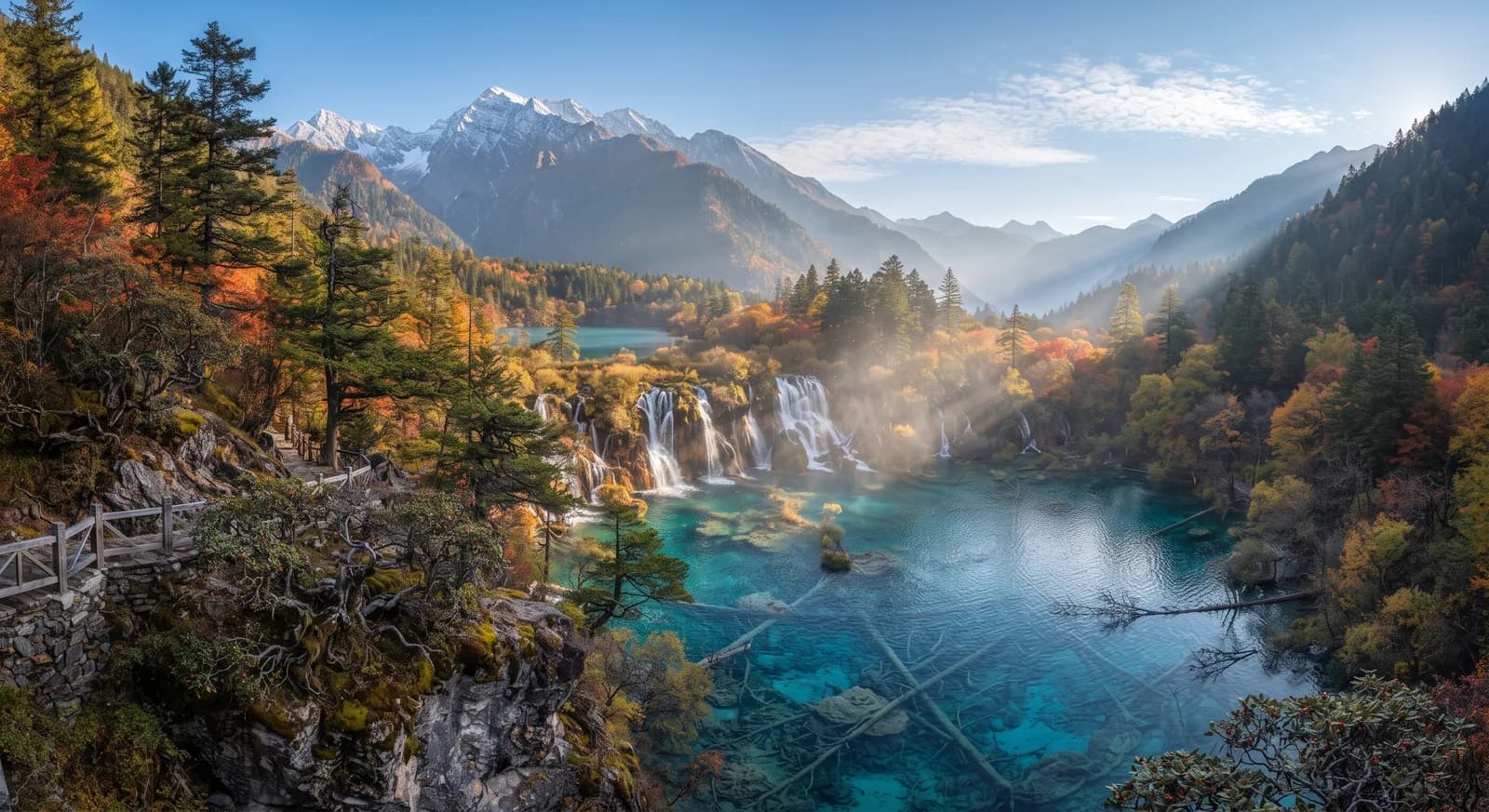
Multicoloured turquoise lakes formed by deposits of calcium carbonate
Area
720 km²
Protection category
IUCN II
Parque nacional —
Designated in
1978
Made a nature reserve in 1978 and opened to tourism in 1984, its name means "valley of nine villages", after the Tibetan villages still inhabited there. Its hundred-odd turquoise and emerald lakes, with the trunks of ancient trees visible through water of extraordinary clarity, are formed as calcium carbonate dissolves and is laid down again, a geological process much like the one that colours Plitvice in Croatia. It was inscribed as a UNESCO World Heritage Site in 1992 and a Biosphere Reserve in 1997, and a magnitude 7.0 earthquake in 2017 temporarily damaged several of its lakes and waterfalls, forcing a partial closure and a considerable effort of geological and ecological restoration.
Location
Loading map…
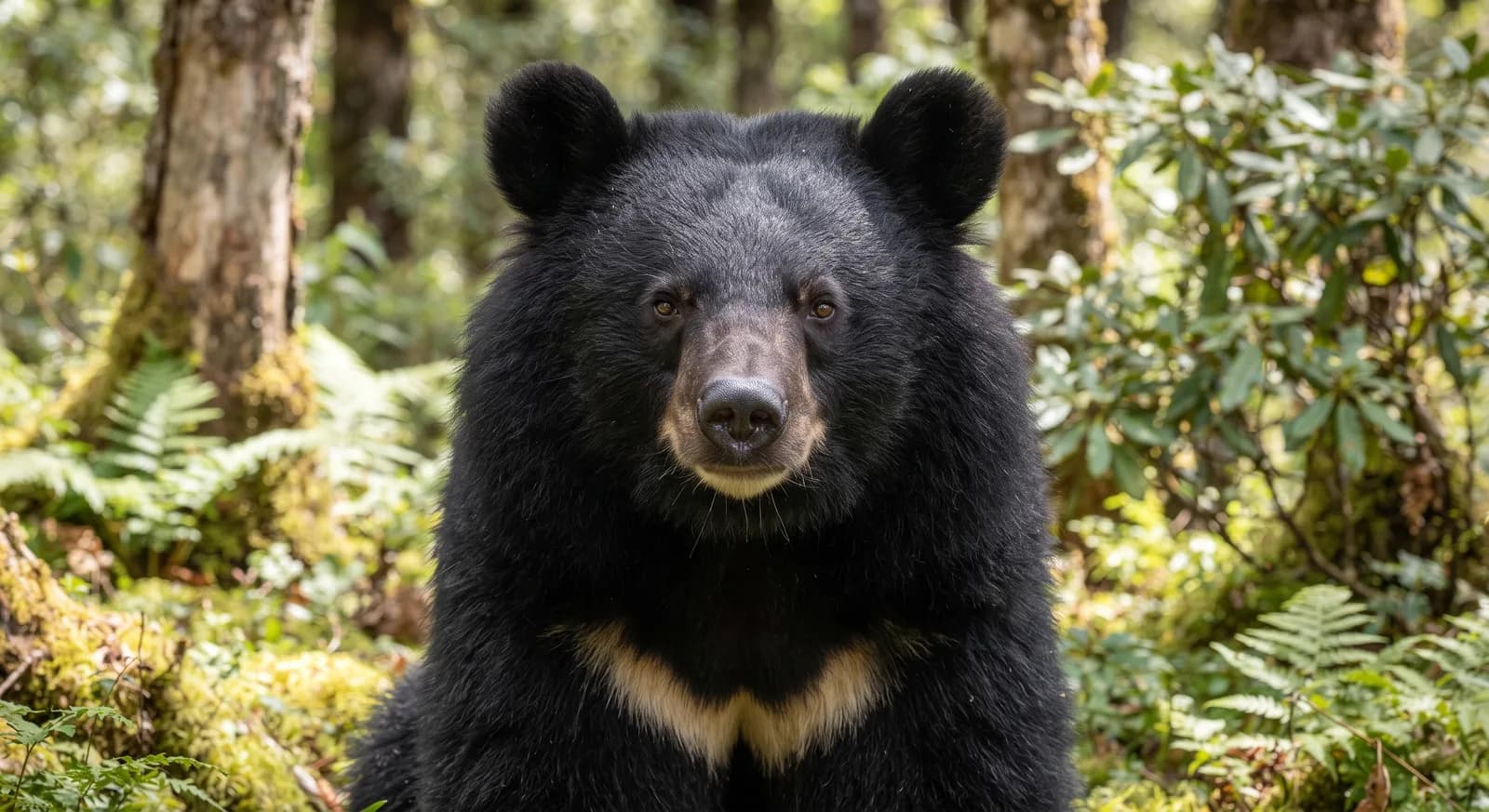
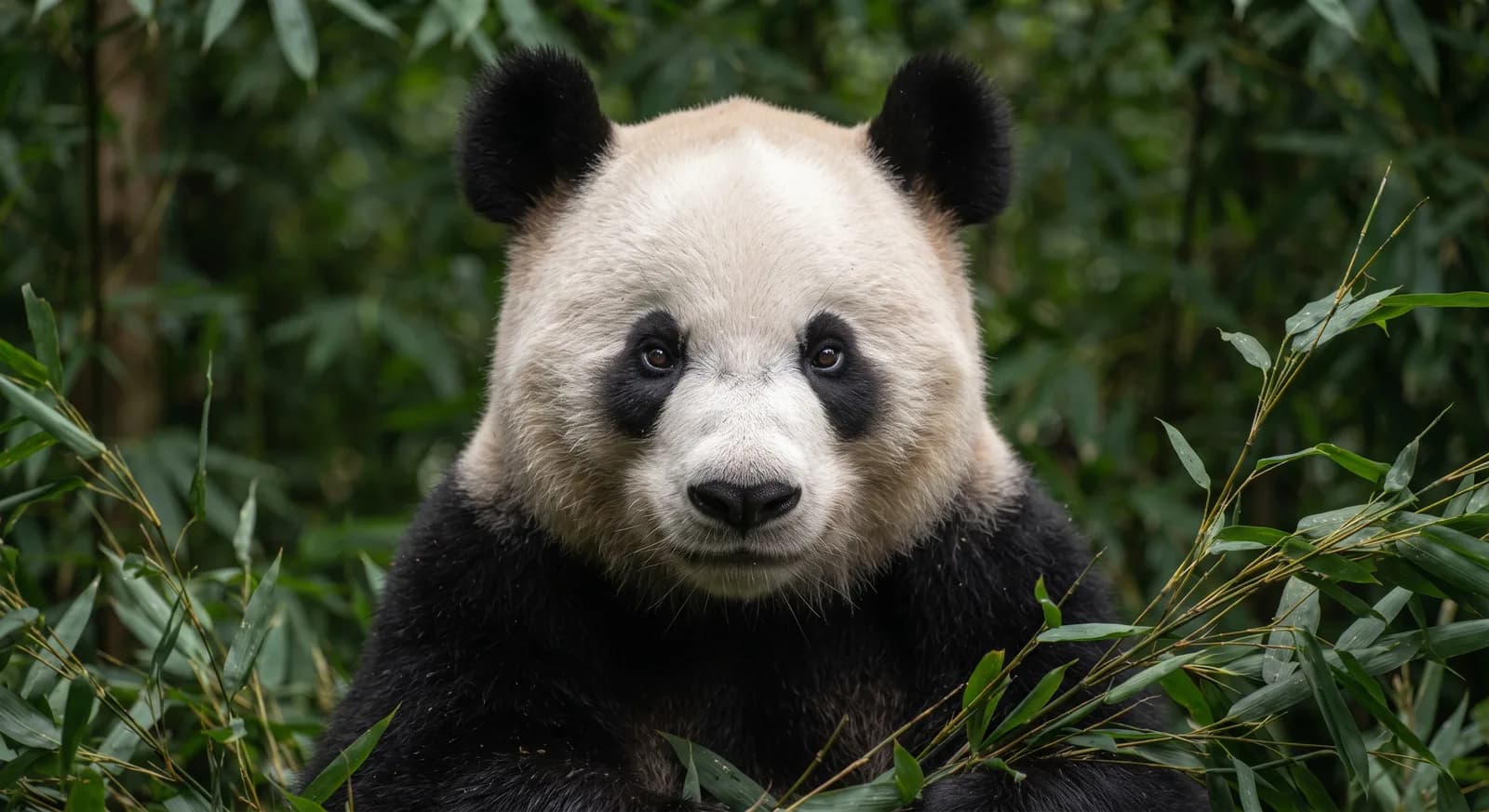
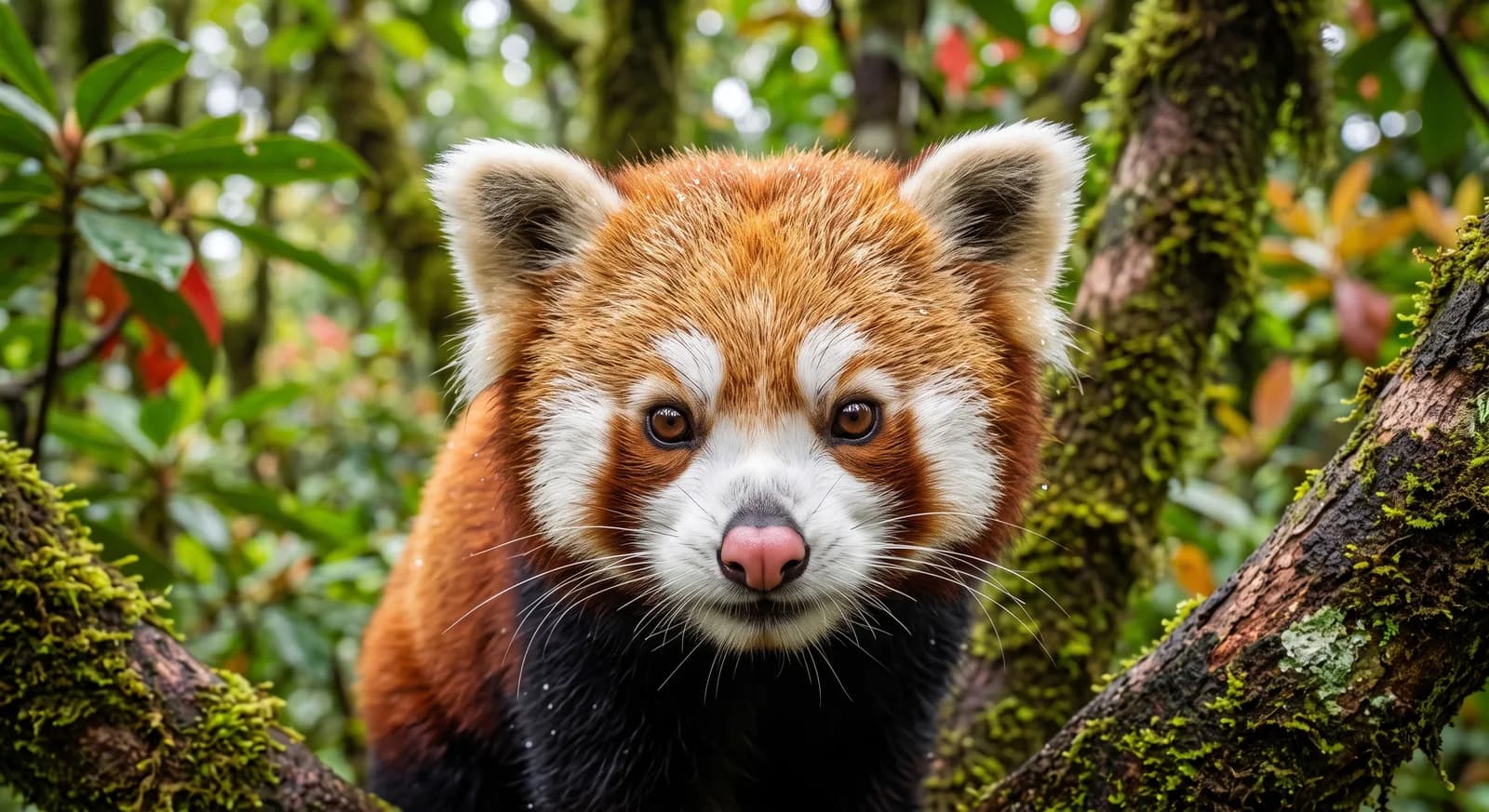
Jiuzhaigou: 6 documented species
Mammals5Amphibians1
Threatened:,,,,,
Endemic species of China:
Flora and ecosystems
Ecosystems found in China, where Jiuzhaigou lies.
Tropical rainforestDesertTemperate forestMarine / coastal
Similar parks
Which other parks are like this one?
Same country: China
Same country: China
Same country: China
Same country: China
Keep exploring
Based on what we already know about this park.

 China