Cerros de Amotape
Peru · Andes and the NorthPeru's largest protected equatorial dry forest, the core of the country's first biosphere reserve.
Area
1,515 km²
Declared in
1975
Region
Andes and the North
Climate
Tropical, Árido / desértico, Polar / frío, Montañoso
Best time
May to October
Highlight
Equatorial dry forest of the Tumbesian region
Cerros de Amotape National Park was established in 1975 at the north-western tip of Peru, between the regions of Tumbes and Piura, and protects some 1,515 km².
It preserves the largest protected expanse of equatorial dry forest in the country, an ecosystem particular to the Tumbesian region that extends across south-western Ecuador and north-western Peru and that is reckoned one of the most threatened biodiversity hotspots in the world. The vegetation is of deciduous trees adapted to a long dry season — ceibo, algarrobo, hualtaco, guayacán — which shed their leaves and turn spectacularly green with the rains, above all in El Niño years.
Its position on the transition between the Amazonian, the Andean and the dry Pacific faunas produces very high endemism, with species confined to the Tumbesian region, among them numerous birds. The park is home to the Tumbes howler monkey, endemic and threatened, the neotropical otter, the American crocodile in the nearby mangroves and a birdlife with dozens of endemics. It forms the core of the North-West Biosphere Reserve, recognised by UNESCO in 1977, Peru's first, which was later extended as the Noroeste Amotapes-Manglares Biosphere Reserve.
Location
See on the interactive map2 dive sites within 300 km are also shown.
Notable wildlife in Cerros de Amotape
Flora and ecosystems
Ecosystems found in Peru, where Cerros de Amotape lies.
Experiences in this park
Nearby dive sites
Where can I dive near here?
Máncora
45 km away
Machalilla / Isla de la Plata
294 km away
Wildlife you can see now
What is worth watching this month in Peru?
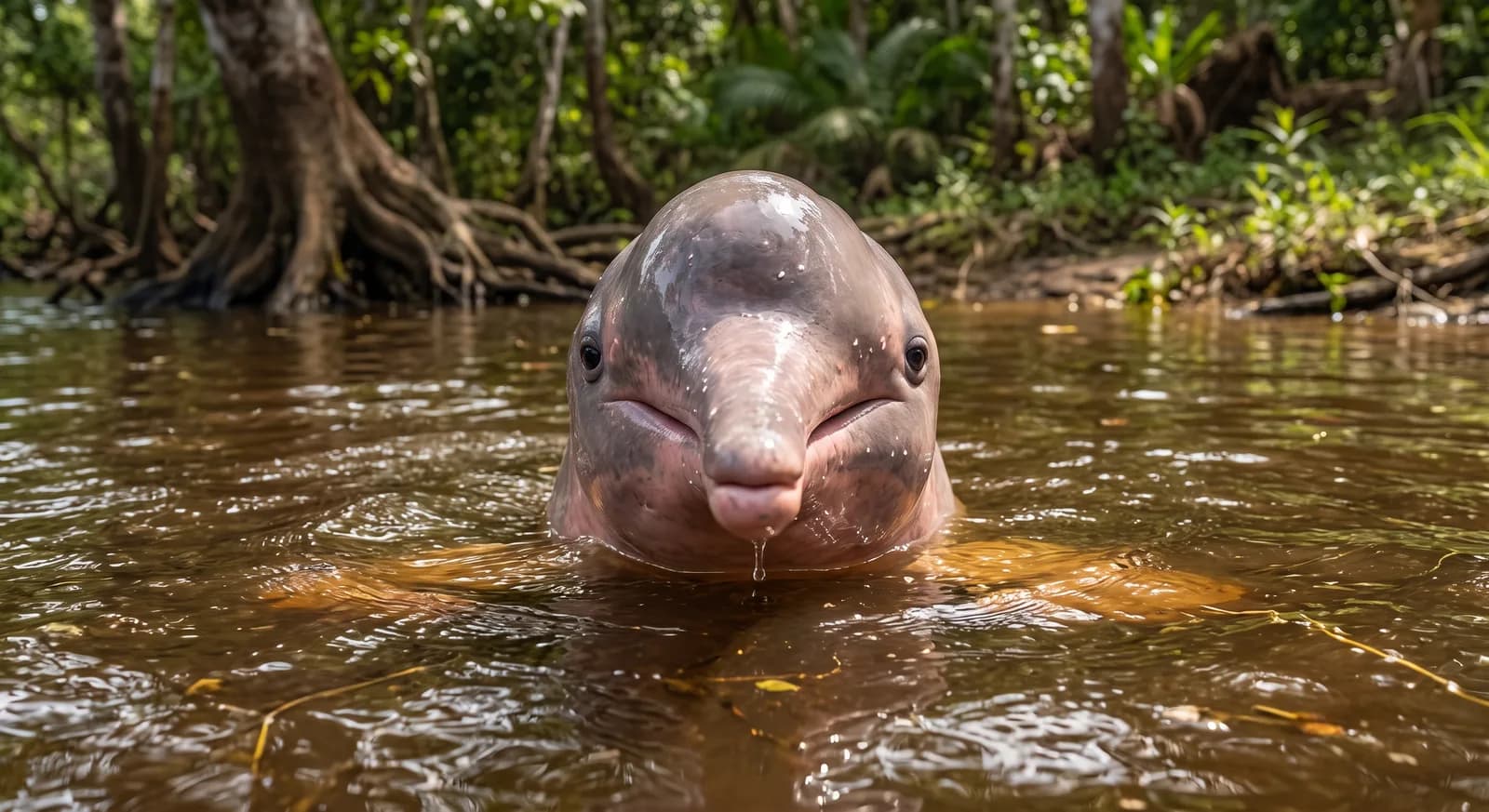 Endangered
Amazon River Dolphin
Inia geoffrensis
Ahora es buena época: Mejor época para avistar delfines rosados del Amazonas (Junio a noviembre (estación de aguas bajas))
Similar parks
Which other parks are like this one?
Keep exploring
Based on what we already know about Cerros de Amotape.
Your rating
How many stars would you give Cerros de Amotape?
Comments
Share your experience visiting Cerros de Amotape, or a tip for other travellers.
Be the first to comment.