Qinghai Hoh Xil
China · East AsiaThe largest and highest plateau in the world, protecting the complete migratory route of the Tibetan antelope.
Area
37,367 km²
Declared in
2017
Region
East Asia
Climate
Tropical, Árido / desértico, Templado, Polar / frío, Montañoso
Best time
March to May
Highlight
High-altitude alpine steppe and Tibetan antelope migration
Qinghai Hoh Xil occupies the north-eastern extreme of the Qinghai-Tibetan Plateau, the most extensive, the highest and the youngest plateau on the planet. It is an immense expanse of mountains and alpine steppe lying above 4,500 metres, with average temperatures below zero all year round that can plunge to -45 °C. The landscape is a treeless frozen plain dotted with a concentration of freshwater lakes fed by meltwater from the snow-covered mountains. Hoh Xil means "lord of ten thousand mountains" in Tibetan.
Those extreme conditions have produced a singular biodiversity: more than a third of the plant species and all of the herbivorous mammals are endemic to the plateau. Here one of the last great mammal migrations on the planet takes place, that of tens of thousands of Tibetan antelopes which travel each year to the lake basins of Hoh Xil to give birth; the inscribed property protects the species' complete migration route. With them come the wild yak, the kiang, the Tibetan gazelle, the wolf and the brown bear, along with a community of more than 230 wild animal species.
Protection was born of an emergency. In the last decades of the twentieth century the Western fashion for shahtoosh shawls, woven from the down of the Tibetan antelope and each requiring three or four animals, set off a mass slaughter that drastically reduced the population. The Qinghai provincial government created the Hoh Xil nature reserve in 1995 and raised it to a national nature reserve in 1997, the first in China established specifically to protect this species. Enforcement has been effective: no cases of poaching have been recorded in the last decade, and some eighty rangers guard the migration from the Sonam Dargye protection station. In July 2017 UNESCO inscribed the property on the World Heritage List under the criteria of natural beauty and biodiversity. It borders Sanjiangyuan to the east, the Changtang reserve to the west and the Altun Shan reserve to the north, forming a protected complex of continental dimensions.
Location
See on the interactive map9 species documented in Qinghai Hoh Xil
At conservation risk:Camello bactriano
Ánsar indio
Anser indicus
Antílope tibetano (chiru)
Pantholops hodgsonii
 Critically Endangered
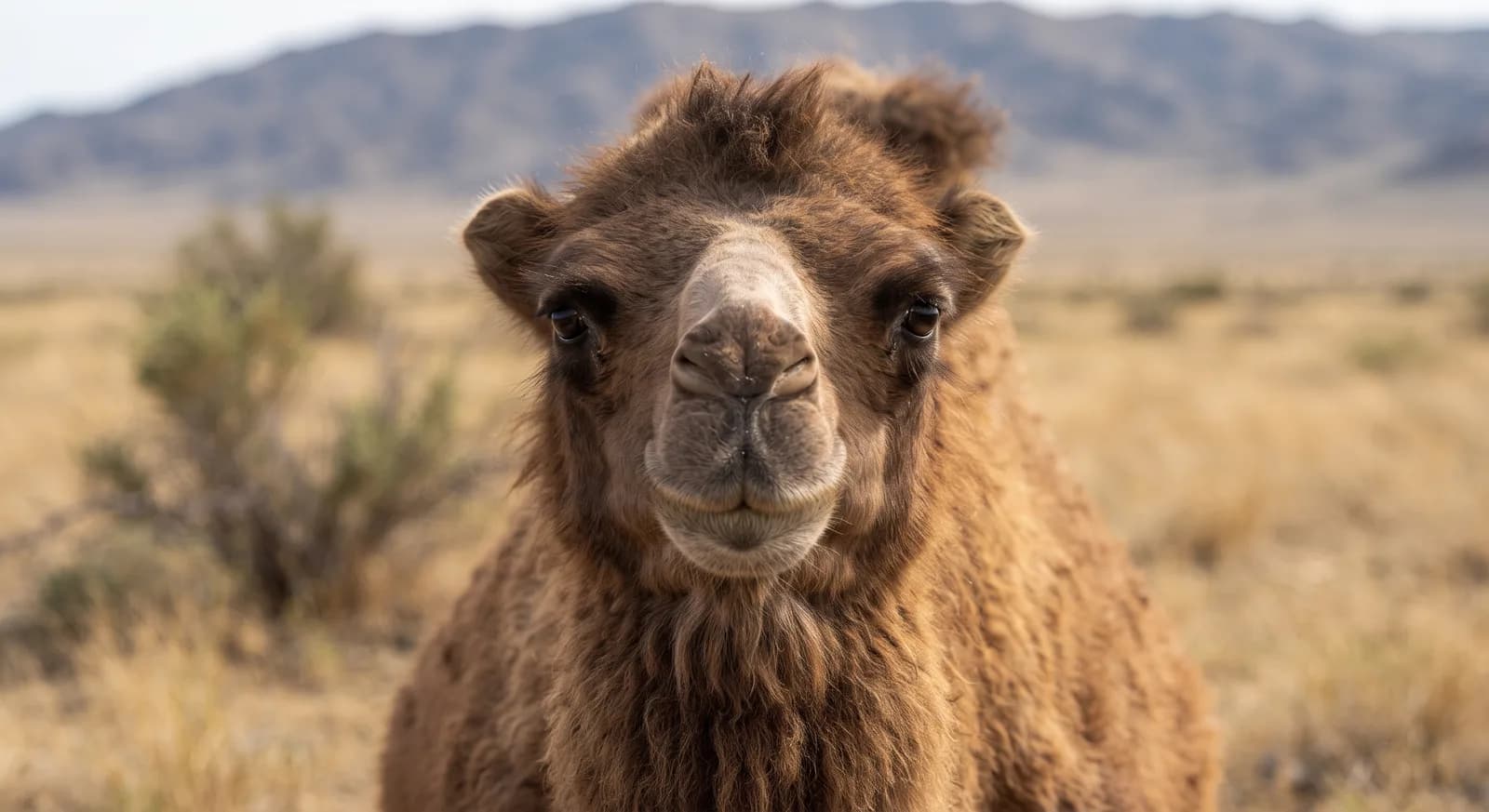
Camello bactriano
Camelus bactrianus
Kiang
Equus kiang
Manul
Otocolobus manul
Marmota del Himalaya
Marmota himalayana
Tarro canelo
Tadorna ferruginea
Yak
Bos grunniens
Zorro tibetano
Vulpes ferrilata
Flora and ecosystems
Ecosystems found in China, where Qinghai Hoh Xil lies.
Experiences in this park
Similar parks
Which other parks are like this one?
Fanjingshan
China
Guizhou Snub-nosed Monkey · Chinese Giant Salamander
Marzo a mayo
View parkMismo país: China
Santuarios de aves migratorias del Mar Amarillo
China
Spoon-billed Sandpiper · Red-crowned Crane
Marzo a mayo
View parkMismo país: China
Keep exploring
Based on what we already know about Qinghai Hoh Xil.
Your rating
How many stars would you give Qinghai Hoh Xil?
Comments
Share your experience visiting Qinghai Hoh Xil, or a tip for other travellers.
Be the first to comment.