Skip to content
WAnimals
  • Map
  • Species
  • Parks
  • Diving
Log inCreate account
WAnimals

The guide for travellers and animal lovers: discover, plan and share your wild adventures around the world.

Discover wildlife

  • Species
  • Ecosystems
  • Glossary
  • Tags

Explore places

  • Map
  • Countries
  • Parks
  • Diving

Plan experiences

  • Guides

Learn

  • Blog

Resources

  • Help centre
  • Contact
  • Install the app

Follow us

Account

  • Log in
  • Create account

© 2026 WAnimals. All rights reserved.

About usHow we build our profilesTerms of servicePrivacyLegal notice
MapSpeciesParksDiving
  1. Home
  2. Species
  3. Baikal Seal

One of the 13 seals on WAnimals

Mammals · Carnivora · Phocidae

Baikal Seal

Pusa sibirica

Least Concern

The species is abundant and widely distributed; it faces no significant short-term risk.

Spotted something wrong?

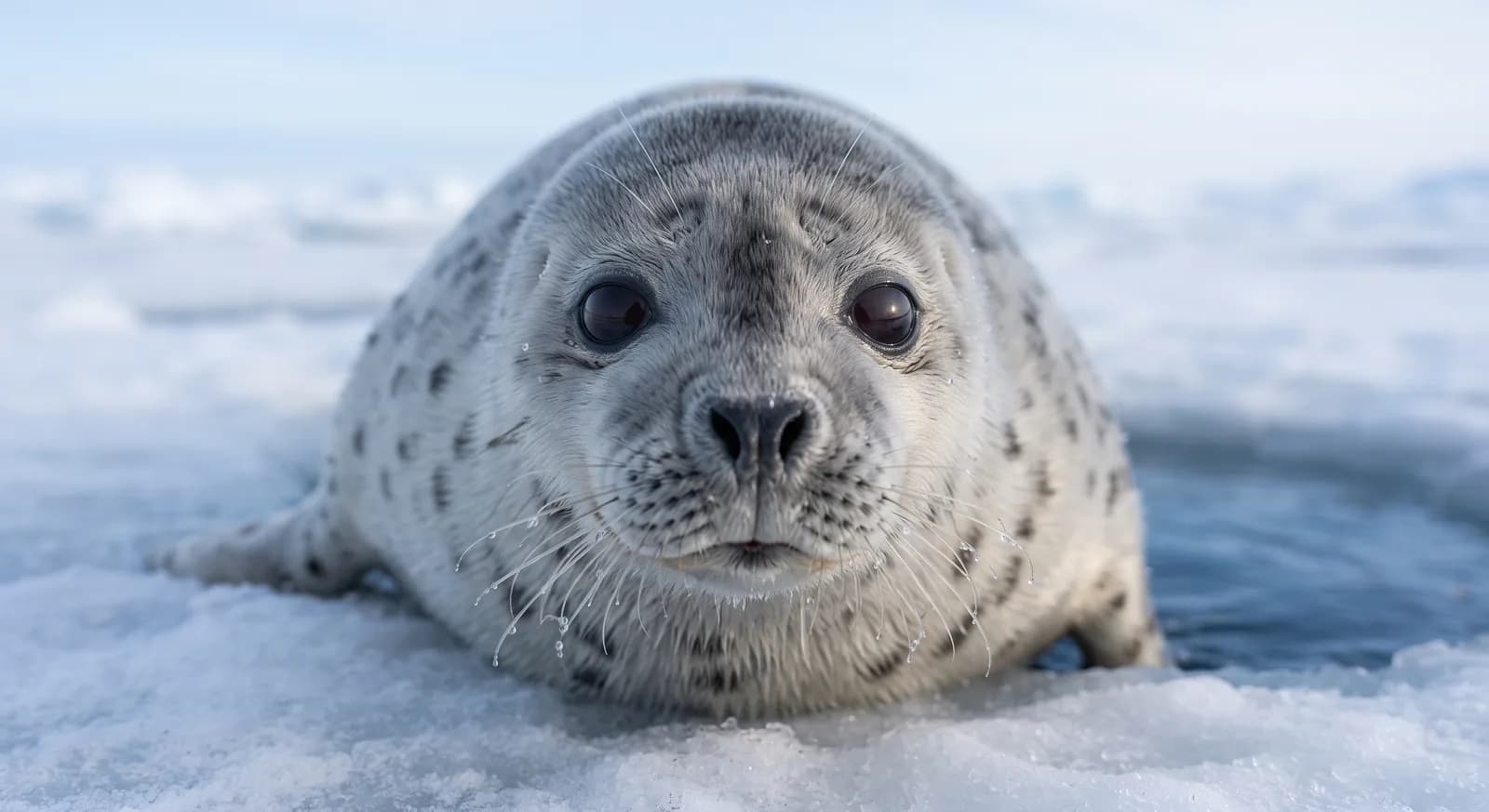
The Baikal seal, or nerpa, is one of only three seals in the world that live exclusively in fresh water, and the only one confined to a single lake. It inhabits Lake Baikal, the deepest and oldest lake on the planet, more than 1,500 kilometres from the nearest sea. It feeds almost exclusively on golomyanka, translucent fish endemic to the lake, and dives to more than 300 metres. In winter it keeps breathing holes open in the ice and gives birth to its pups in lairs dug in the snow.

Weight

50 kg – 130 kg

Size

1.1 m – 1.4 m

Life expectancy

55 years

Diet

Carnivore

Feeds mainly on other animals.

Social structure

Solitary

Lives and hunts alone, joining others only to breed.

Sighting difficulty

Easy

Estimated population

Some 80,000-100,000 individuals

FreshwaterPolar
1countries3parks1dive sites14same family

Fun facts

  • GeneralThe only seal in the world that lives entirely in fresh water.
  • It lives more than 1,500 kilometres from the nearest ocean, and how its ancestors reached Baikal is still debated: the most widely accepted hypothesis is that they came up the rivers from the Arctic during the Pleistocene.
  • It is one of the longest-lived seals: females of more than fifty years old have been documented still breeding.

Life cycle and biology

Skeleton type
Vertebrate - internal bony skeleton (mammal)
Habitat and environment
Lake Baikal, in Siberia: open water in summer and ice with snow lairs in winter
Sexual maturity
5.8 years
Gestation / incubation
9 months
Litter / clutch size
1.02 (average)

Sources consulted: https://es.wikipedia.org/wiki/Pusa_sibirica

Where to find it

Loading map…

The pins mark the parks and dive sites where its presence is documented.

Where to see it

Parks and dive sites where this species has been documented.

Related species

Other species in the catalogue with the most in common with Baikal Seal — same habitat, park, country, tags or family.

Same taxonomic family

Keep exploring

Based on what we already know about baikal seal.

Comments

Share an experience, a fun fact or a tip for seeing the baikal seal.

Be the first to comment.
See full glossary
This page in other languages: Español · Deutsch · Français · Português · Italiano
See its range on the interactive map→
BaikalskyRussia
BarguzinskyRussia
ZabaikalskyRussia
Lake BaikalRussia
Least Concern

Spotted Seal

Phoca largha

Bearded SealLeast Concern

Bearded Seal

Erignathus barbatus

Ringed SealLeast Concern

Ringed Seal

Pusa hispida

Least Concern

Harp Seal

Pagophilus groenlandicus

Vulnerable

Hooded Seal

Cystophora cristata

Crabeater SealLeast Concern

Crabeater Seal

Lobodon carcinophaga

CountriesRussia
ParksBaikalskyRussia
TagsCarnivore
Carnivore
Solitary
Freshwater
Polar
Mammal
Russia