Skip to content
WAnimals
  • Map
  • Species
  • Parks
  • Diving
Log inCreate account
WAnimals

The guide for travellers and animal lovers: discover, plan and share your wild adventures around the world.

Discover wildlife

  • Species
  • Ecosystems
  • Glossary
  • Tags

Explore places

  • Map
  • Countries
  • Parks
  • Diving

Plan experiences

  • Guides

Learn

  • Blog

Resources

  • About us
  • How we build our profiles
  • Help centre
  • Contact
  • Install the app

Follow us

Account

  • Log in
  • Create account

© 2026 WAnimals. All rights reserved.

Terms of servicePrivacyCookiesLegal notice
MapSpeciesParksDiving
  1. Home
  2. Species
  3. Bearded Seal

One of the 13 seals on WAnimals

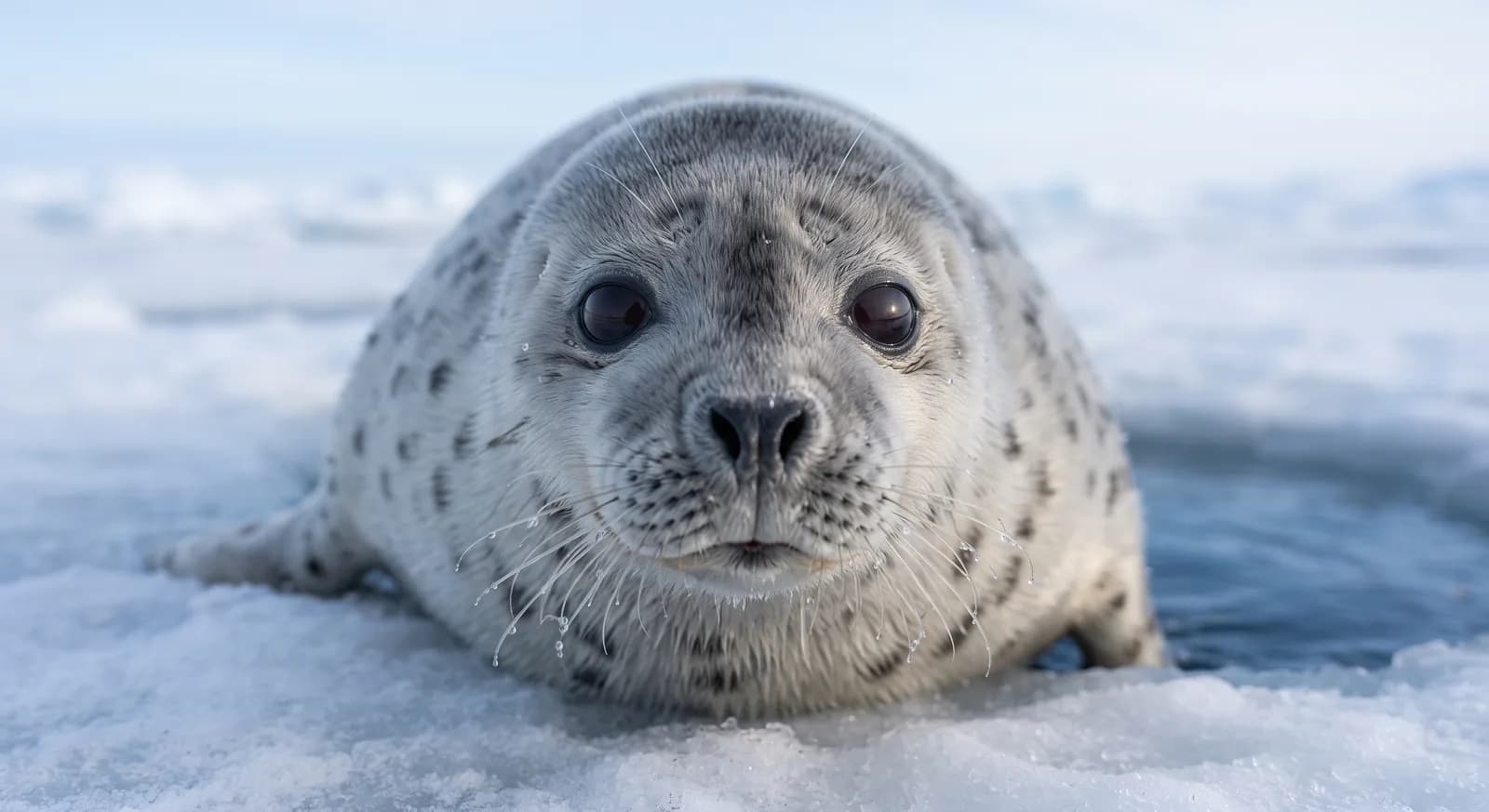
Bearded Seal (Erignathus barbatus)

Mammals · Carnivora · Phocidae

Bearded Seal

Erignathus barbatus

Least Concern

The species is abundant and widely distributed; it faces no significant short-term risk.

Spotted something wrong?

The bearded seal is the largest seal in the Arctic, with a heavy body, a small head and the long, dense whiskers that give it its beard and its name. It feeds by rooting on the sea floor: clams, crabs, worms and bottom-dwelling fish, which it locates by touch with its whiskers. It prefers shallow water with drifting ice and is important prey for the polar bear and the killer whale. It is also an essential resource for Inuit communities.

Weight

200 kg – 430 kg

Size

2.1 m – 2.7 m

Life expectancy

25 years
Diet

Carnivore

Feeds mainly on other animals.

Activity

Diurnal

Active mainly during the day.

Social structure

Solitary

Lives and hunts alone, joining others only to breed.

OceanPolar
9countries17parks1dive sites14same family

AI-generated images: illustrations, not photographs.

Fun facts

  • GeneralThe males sing trilling songs underwater that carry 20 km.
  • The male's song during the breeding season is one of the strangest sounds in the Arctic: a spiralling descending trill lasting almost a minute that carries for kilometres beneath the ice.
  • Its whiskers curl at the tips as they dry, a detail that sets it apart from any other Arctic seal.

Life cycle and biology

Skeleton type
Vertebrate - internal bony skeleton (mammal)
Habitat and environment
Shallow Arctic waters with drifting ice, over the continental shelves
Sexual maturity
4.7 years
Gestation / incubation
8.5 months
Litter / clutch size
1

Sources consulted: Wikipedia (es): Erignathus barbatus

Where to find it

Loading map…

The pins mark the parks and dive sites where its presence is documented.

Where to see it

Parks and dive sites where this species has been documented — showing 11 of 18.

Related species

Other species in the catalogue with the most in common with Bearded Seal — same habitat, park, country, tags or family.

Same taxonomic family
Shares a park

Keep exploring

Based on what we already know about bearded seal.

Share an experience, a fun fact or a tip for seeing the bearded seal.
See full glossary
This page in other languages: Español · Deutsch · Français · Português · Italiano
See its range on the interactive map→
AuyuittuqCanada
KatmaiUnited States
IvvavikCanada
Gates of the ArcticUnited States
Kobuk ValleyUnited States
Wrangel IslandRussia
Torngat MountainsCanada
Putorana PlateauRussia
AulavikCanada
QuttinirpaaqCanada
Svalbard (ice diving)Norway
See all 17 parks
Least Concern

Harp Seal

Pagophilus groenlandicus

Ringed SealLeast Concern

Ringed Seal

Pusa hispida

Vulnerable

Hooded Seal

Cystophora cristata

Least Concern

Spotted Seal

Phoca largha

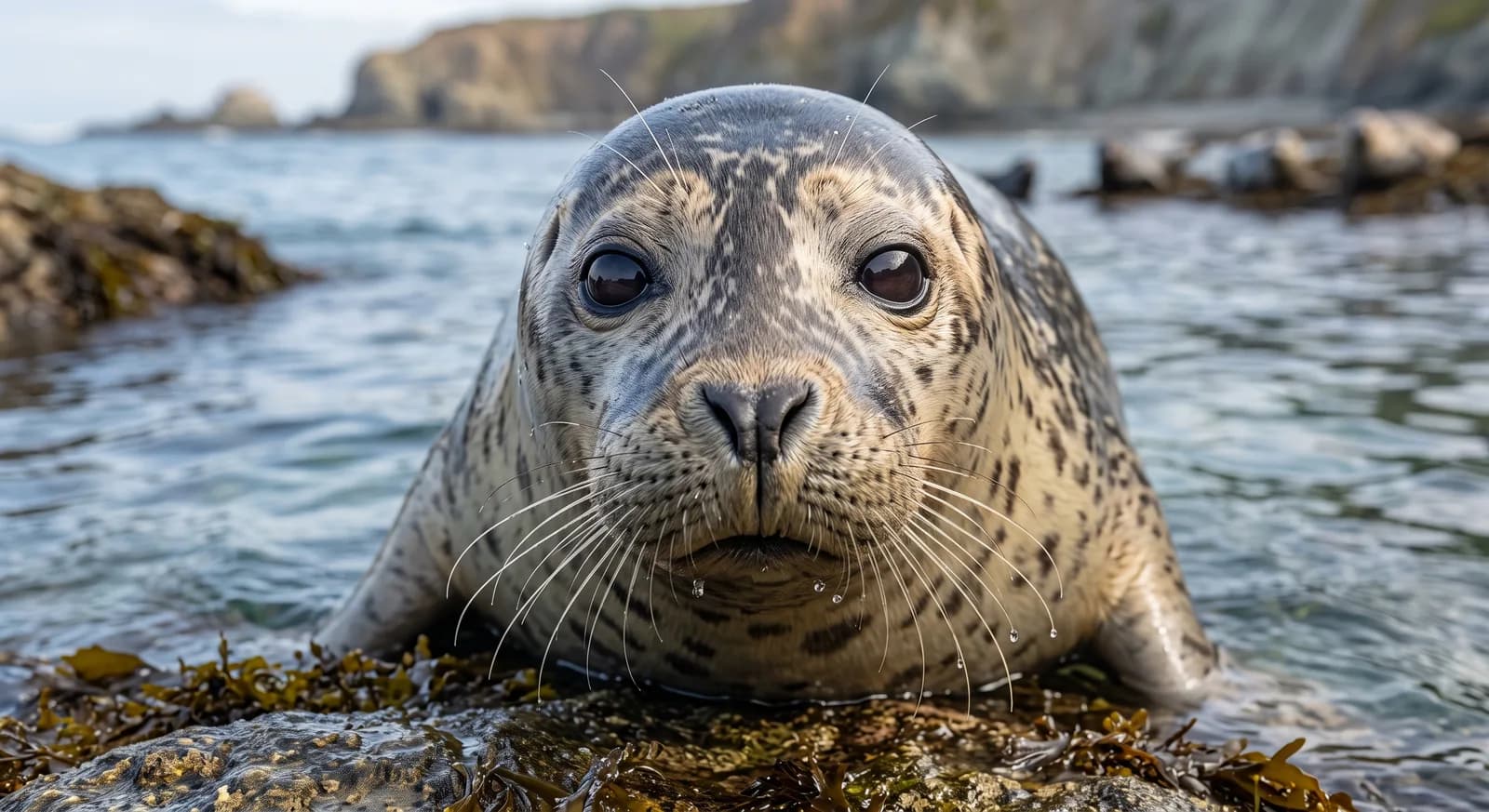
Harbor SealLeast Concern

Harbor Seal

Phoca vitulina

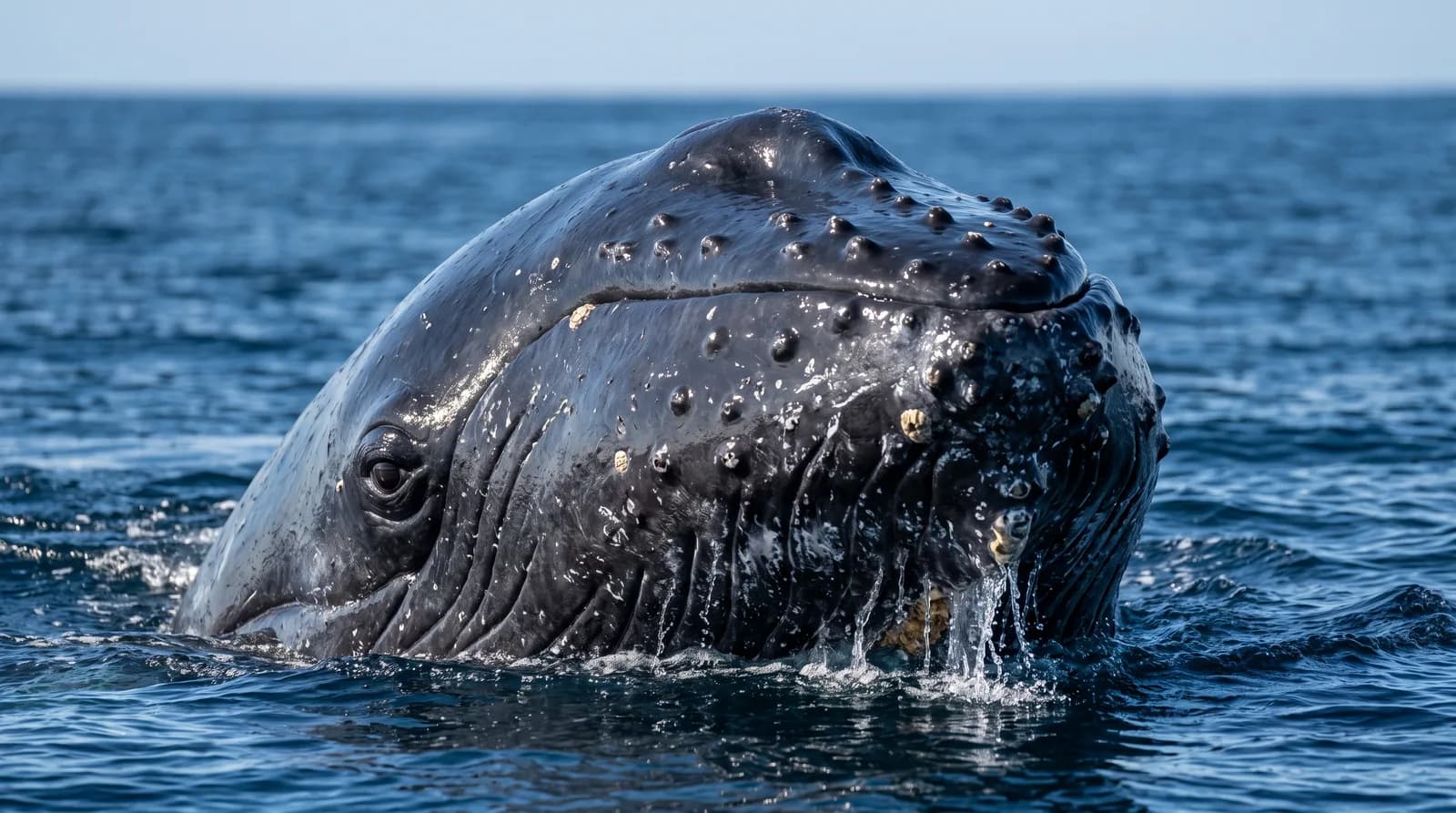
Humpback WhaleLeast Concern

Humpback Whale

Megaptera novaeangliae

CountriesCanada
ParksAuyuittuqCanada
TagsCarnivore
Carnivore
Diurnal
Solitary
Ocean
Polar
Mammal

Europe5

North America3

Asia1

Canada
Norway
United States
Russia
Denmark
Finland
Denmark
Finland
Iceland
Norway
Sweden
Canada
Greenland
United States
Russia