Skip to content
WAnimals
  • Map
  • Species
  • Parks
  • Diving
Log inCreate account
WAnimals

The guide for travellers and animal lovers: discover, plan and share your wild adventures around the world.

Discover wildlife

  • Species
  • Ecosystems
  • Glossary
  • Tags

Explore places

  • Map
  • Countries
  • Parks
  • Diving

Plan experiences

  • Guides

Learn

  • Blog

Resources

  • About us
  • How we build our profiles
  • Help centre
  • Contact
  • Install the app

Follow us

Account

  • Log in
  • Create account

© 2026 WAnimals. All rights reserved.

Terms of servicePrivacyCookiesLegal notice
MapSpeciesParksDiving
  1. Home
  2. Species
  3. Banded Caecilian

One of the 5 caecilians on WAnimals

Amphibians · Gymnophiona · Scolecomorphidae

Banded Caecilian

Scolecomorphus vittatus

Least Concern

The species is abundant and widely distributed; it faces no significant short-term risk.

Spotted something wrong?

The banded caecilian is a legless amphibian of the montane forests of Tanzania with an anatomy unique among vertebrates: its eyes are not in the head but attached to the base of the sensory tentacles, so that they go in and out with them. It is live-bearing and its young are born fully formed.

Size

20 cm – 45 cm

Life expectancy

10 years

Diet

Carnivore

Feeds mainly on other animals.

Activity

Nocturnal

Active mainly at night.

Social structure

Solitary

Lives and hunts alone, joining others only to breed.

RainforestMountain
1countries

Fun facts

  • Its eyes are mounted on its tentacles: instead of being fixed in the skull, they are attached to the base of the chemosensory tentacles and extend and retract with them, an arrangement found in no other vertebrate.
  • It lives in the forests of Tanzania's Eastern Arc, a chain of isolated mountains that concentrate a proportion of endemics comparable to that of oceanic islands.
  • It is live-bearing: the embryos develop inside the mother and are born as fully formed caecilians, with no aquatic larval stage.

Life cycle and biology

Skeleton type
Vertebrate - internal bony skeleton (amphibian)
Habitat and environment
Damp soils of montane forest in Tanzania's Eastern Arc
Sexual maturity
3 years
Gestation / incubation
Internal gestation; the young are born fully formed
Litter / clutch size
5 live young

Sources consulted: Wikipedia (es): Scolecomorphus vittatus

Where to find it

Loading map…

Related species

Other species in the catalogue with the most in common with Banded Caecilian — same habitat, park, country, tags or family.

Related to
Related to
Related to
Related to
Related to
Related to

Keep exploring

Based on what we already know about banded caecilian.
Share an experience, a fun fact or a tip for seeing the banded caecilian.
See full glossary
This page in other languages: Español · Deutsch · Français · Português · Italiano
See its range on the interactive map→
Least Concern

Dune Squeaker

Arthroleptis stenodactylus

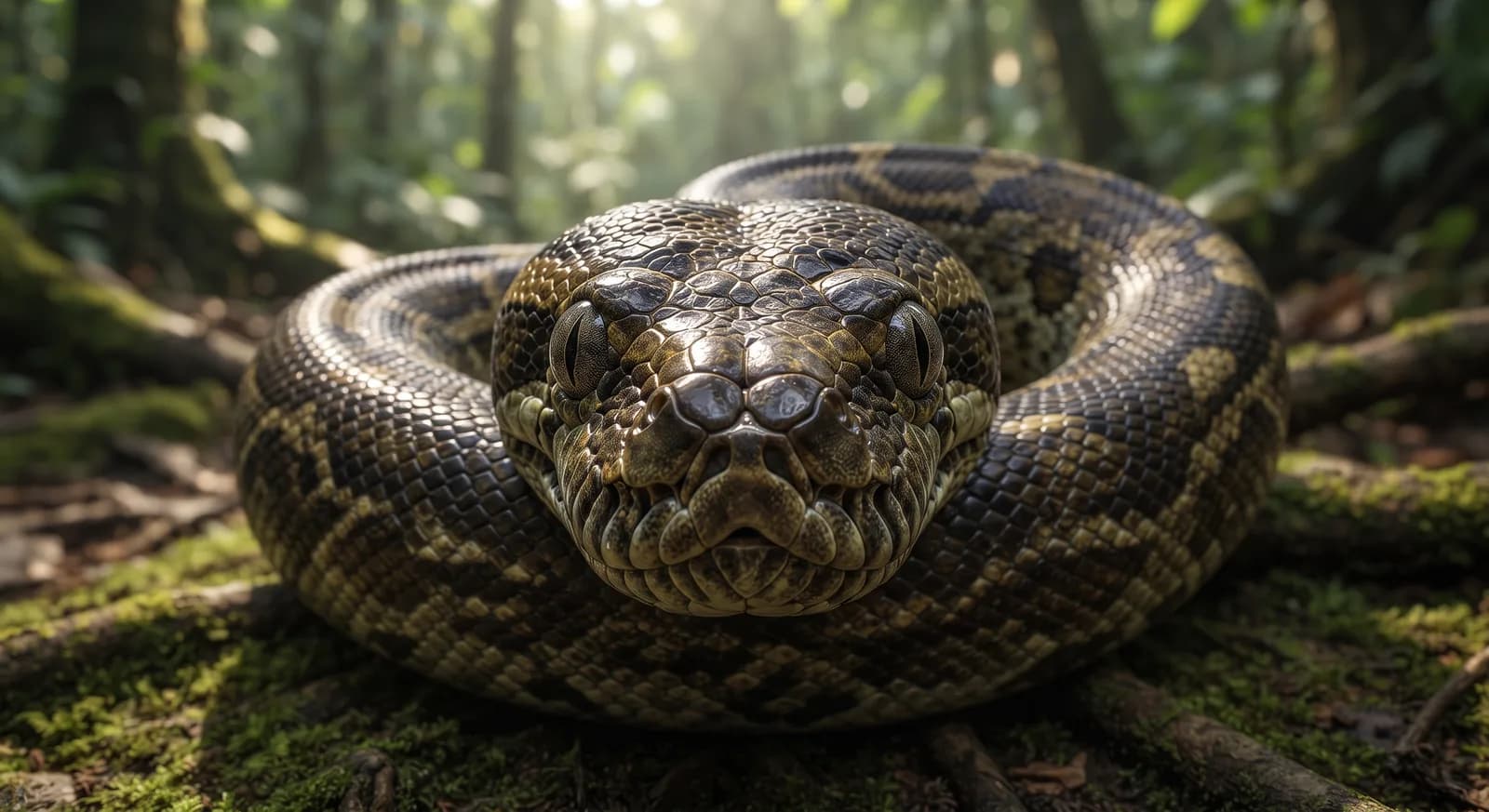
Central African Rock PythonLeast Concern

Central African Rock Python

Python sebae

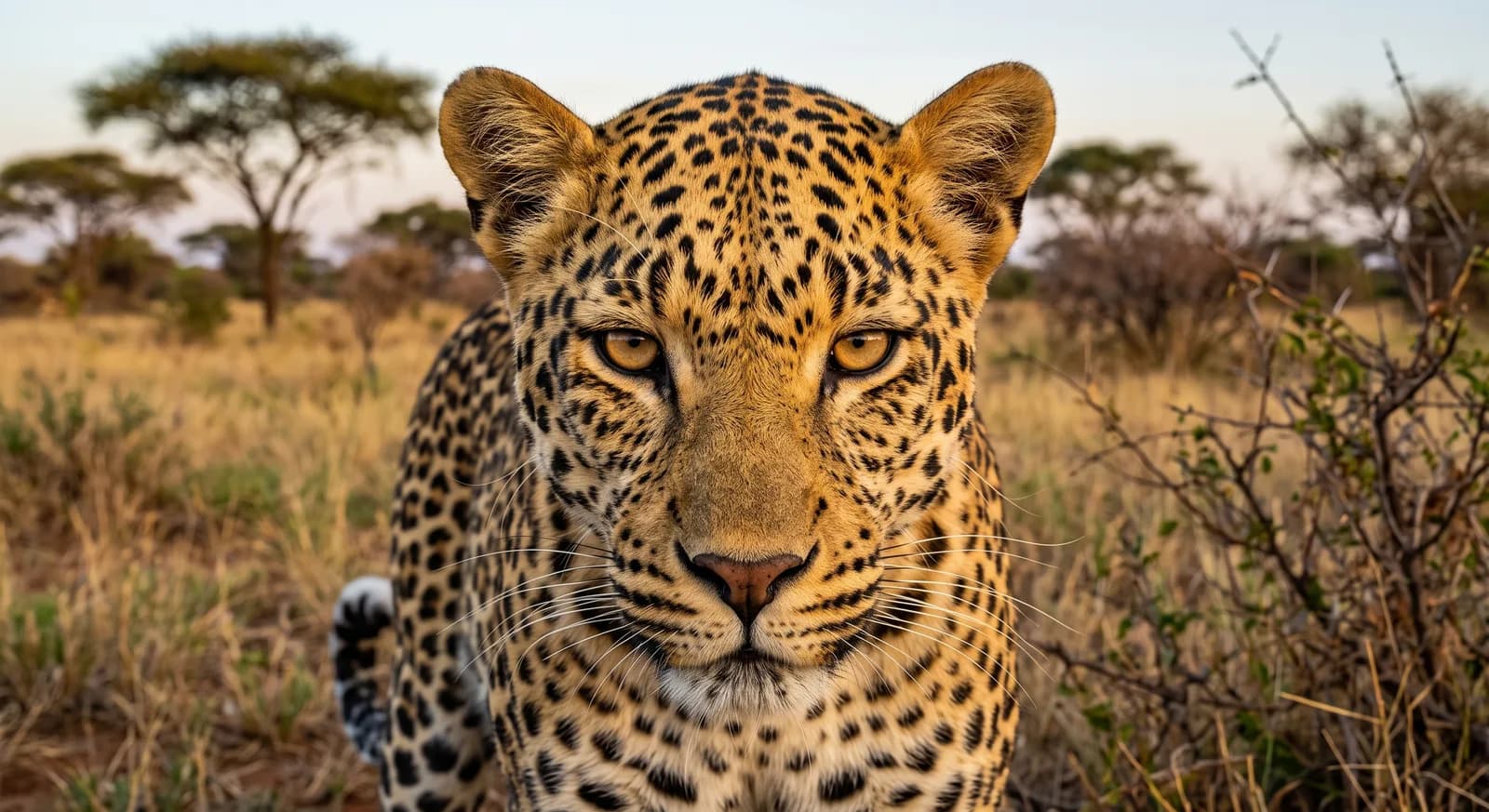
African LeopardVulnerable

African Leopard

Panthera pardus pardus

Least Concern

Southern Tree Hyrax

Dendrohyrax arboreus

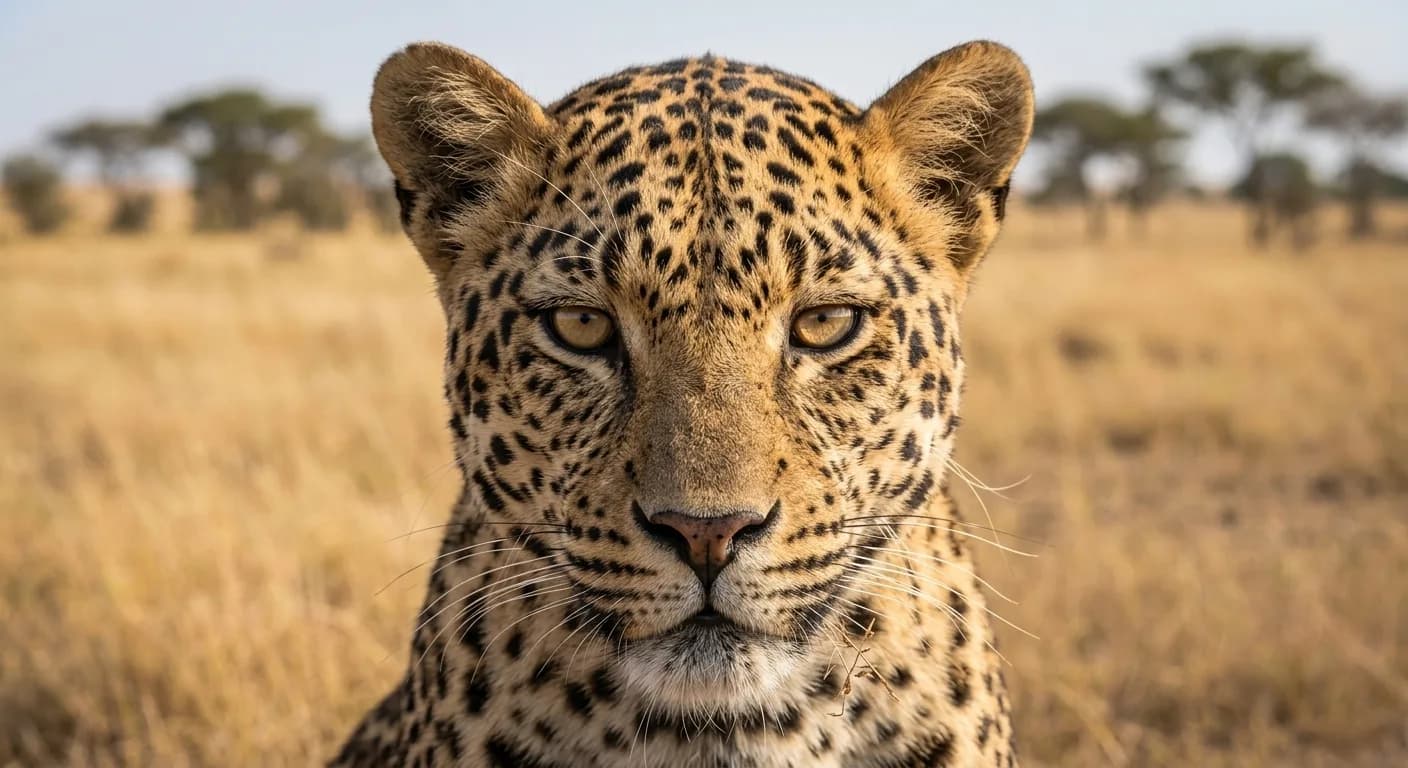
LeopardVulnerable

Leopard

Panthera pardus

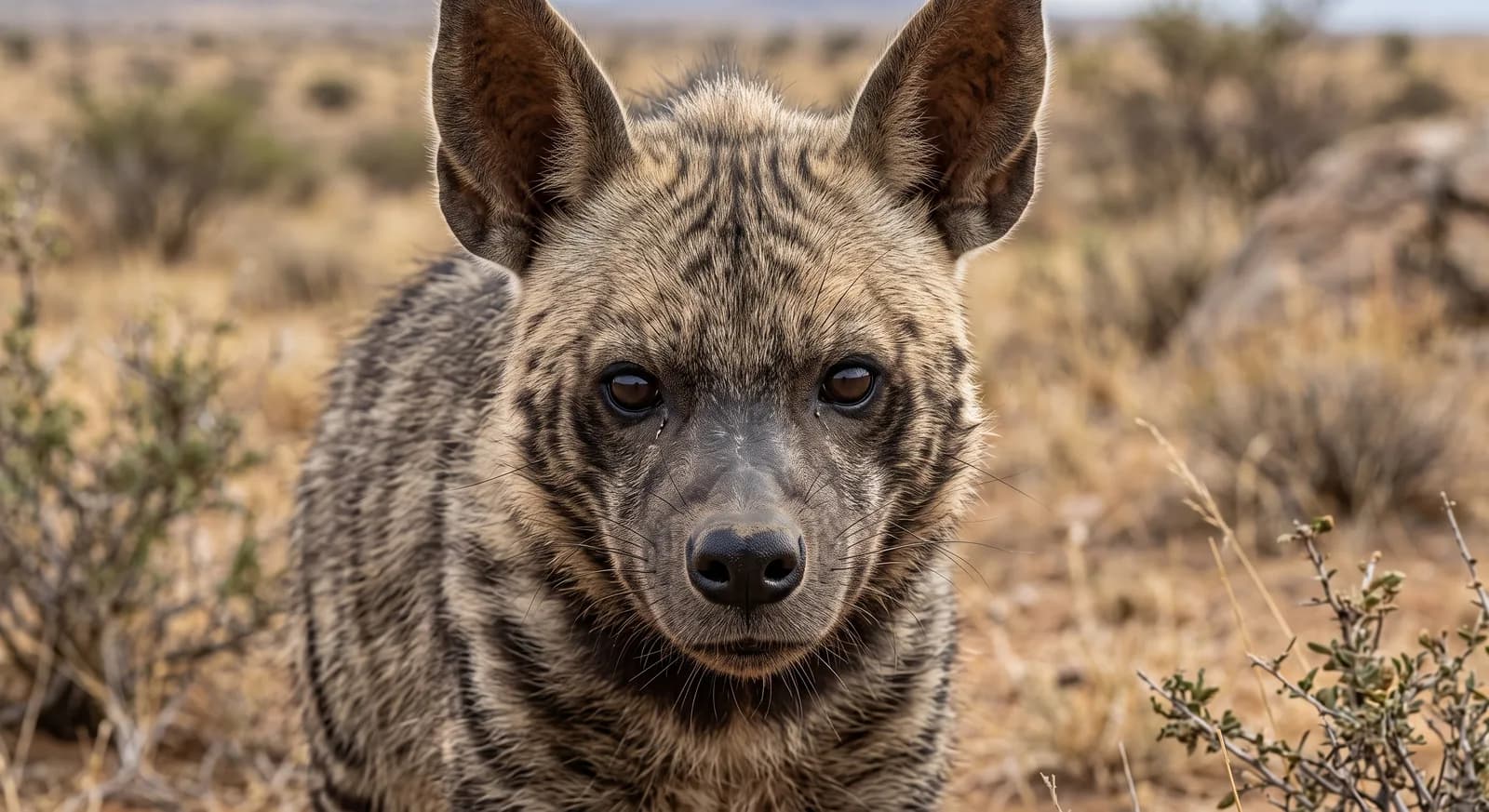
Striped HyaenaNear Threatened

Striped Hyaena

Hyaena hyaena

CountriesTanzania
TagsCarnivore
Carnivore
Nocturnal
Solitary
Amphibian
Rainforest
Mountain
Tanzania