Skip to content
WAnimals
  • Map
  • Species
  • Parks
  • Diving
Log inCreate account
WAnimals

The guide for travellers and animal lovers: discover, plan and share your wild adventures around the world.

Discover wildlife

  • Species
  • Ecosystems
  • Glossary
  • Tags

Explore places

  • Map
  • Countries
  • Parks
  • Diving

Plan experiences

  • Guides

Learn

  • Blog

Resources

  • Help centre
  • Contact
  • Install the app

Follow us

Account

  • Log in
  • Create account

© 2026 WAnimals. All rights reserved.

About usHow we build our profilesTerms of servicePrivacyLegal notice
MapSpeciesParksDiving
  1. Home
  2. Species
  3. Dune Squeaker

One of the 47 frogs on WAnimals

Amphibians · Anura · Arthroleptidae

Dune Squeaker

Arthroleptis stenodactylus

Least Concern

The species is abundant and widely distributed; it faces no significant short-term risk.

Spotted something wrong?

The dune squeaker is a small, unobtrusive amphibian of the African leaf litter that breeds without needing standing water: the eggs, laid in damp soil beneath the leaves, hatch directly into fully formed froglets. That independence from water has let it colonise forests and savannahs with no permanent pools.

Size

2.5 cm – 4.5 cm

Life expectancy

5 years

Diet

Insectivore

Feeds mainly on insects and other invertebrates.

Activity

Nocturnal

Active mainly at night.

Social structure

Solitary

Lives and hunts alone, joining others only to breed.

Sighting difficulty

Easy

SavannaRainforestTemperate forest
9countries1same family

Fun facts

  • It needs no water to breed: the eggs develop completely in damp soil under the leaf litter and out of them come tiny, fully formed froglets, never passing through a tadpole stage.
  • During the breeding season the males of its genus grow an extraordinarily elongated third finger on their hands, whose function is still debated.
  • Its tiny size and its life among the leaf litter make it practically invisible, and much of what is known about its distribution comes from recordings of its call.

Life cycle and biology

Skeleton type
Vertebrate - internal bony skeleton (amphibian)
Habitat and environment
Leaf litter of rainforest, wooded savannah and plantations of eastern and southern Africa
Sexual maturity
12 months
Gestation / incubation
Direct development in the egg, with no tadpole stage
Litter / clutch size
30 eggs

Sources consulted: https://es.wikipedia.org/wiki/Arthroleptis_stenodactylus

Where to find it

Loading map…

Related species

Other species in the catalogue with the most in common with Dune Squeaker — same habitat, park, country, tags or family.

Same taxonomic family
Related to
Related to
Related to
Related to
Related to

Keep exploring

Based on what we already know about dune squeaker.

Comments

Share an experience, a fun fact or a tip for seeing the dune squeaker.

Be the first to comment.
See full glossary
This page in other languages: Español · Deutsch · Français · Português · Italiano
See its range on the interactive map→
Least Concern

Hairy Frog

Trichobatrachus robustus

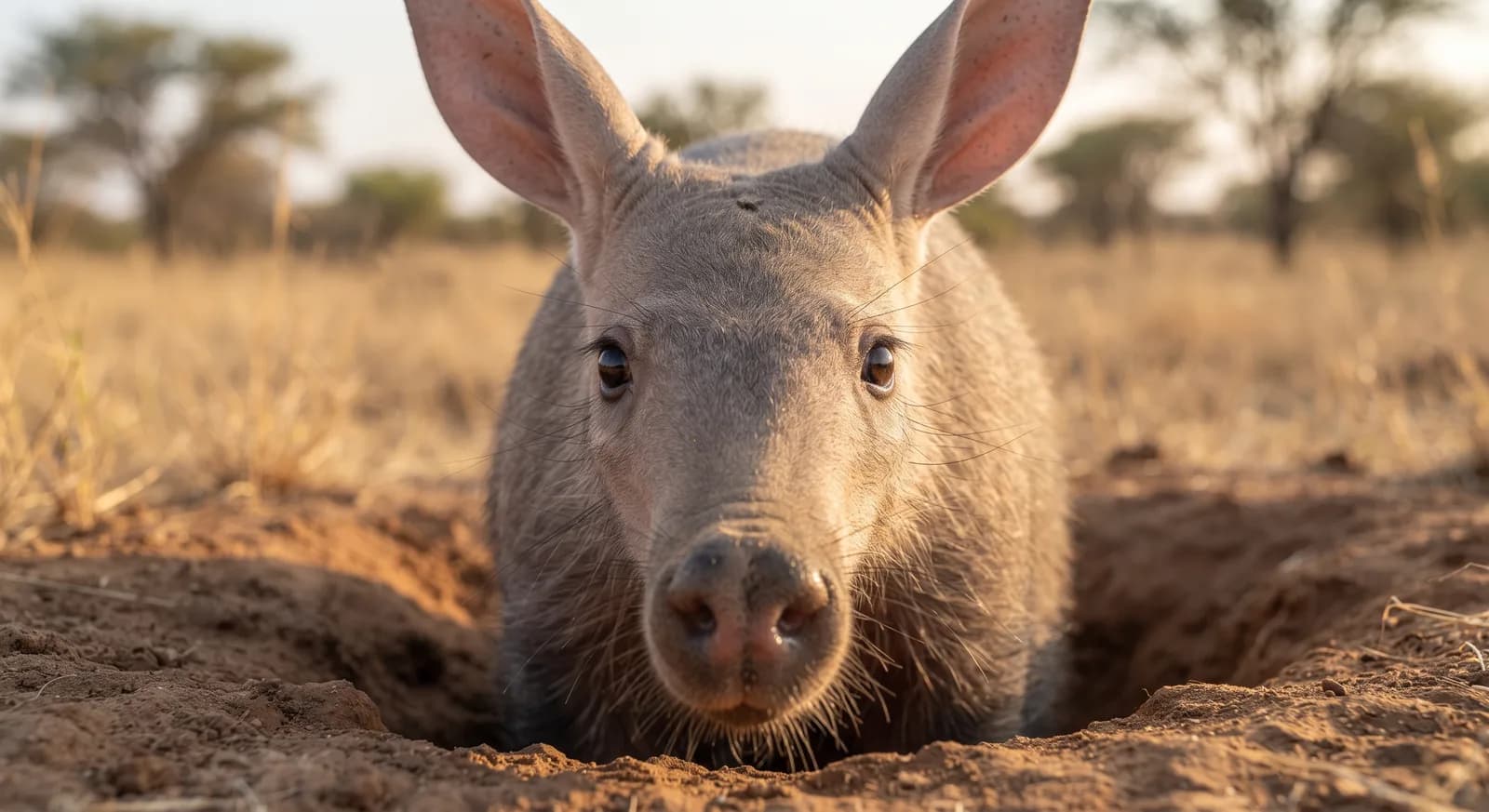
AardvarkLeast Concern

Aardvark

Orycteropus afer

Least Concern

Thick-tailed Greater Galago

Otolemur crassicaudatus

Least Concern

Brahminy Blindsnake

Indotyphlops braminus

Least Concern

Common House Gecko

Hemidactylus frenatus

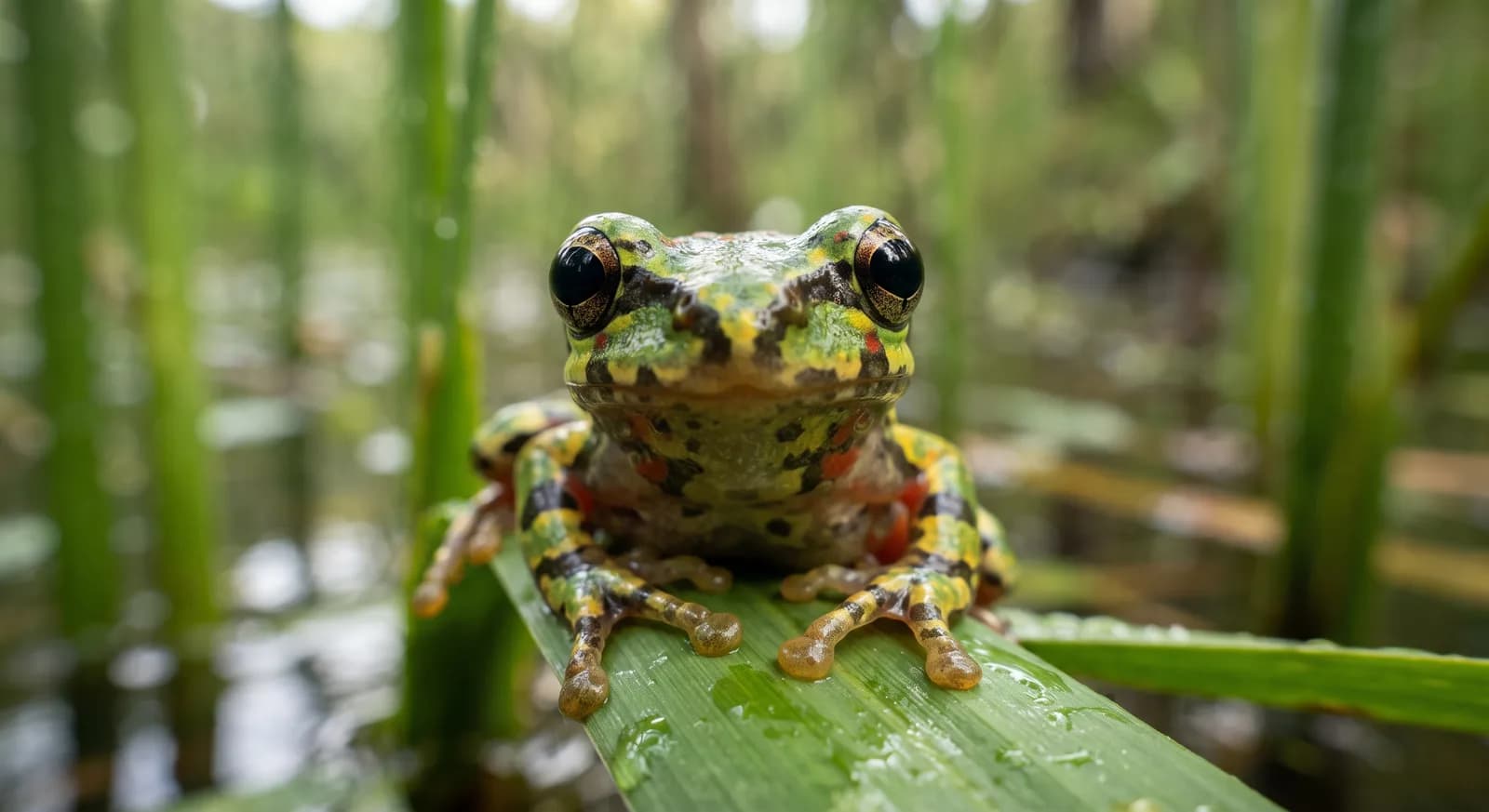
Painted Reed FrogLeast Concern

Painted Reed Frog

Hyperolius marmoratus

CountriesAngola
TagsInsectivore
Insectivore
Nocturnal
Solitary
Amphibian
Savanna
Rainforest
Temperate forest
Angola
Democratic Republic of the Congo
Kenya
Malawi
Mozambique
South Africa
Angola
Democratic Republic of the Congo
Kenya
Malawi
Mozambique
South Africa
Tanzania
Zambia
Zimbabwe