Skip to content
WAnimals
  • Map
  • Species
  • Parks
  • Diving
Log inCreate account
WAnimals

The guide for travellers and animal lovers: discover, plan and share your wild adventures around the world.

Discover wildlife

  • Species
  • Ecosystems
  • Glossary
  • Tags

Explore places

  • Map
  • Countries
  • Parks
  • Diving

Plan experiences

  • Guides

Learn

  • Blog

Resources

  • Help centre
  • Contact
  • Install the app

Follow us

Account

  • Log in
  • Create account

© 2026 WAnimals. All rights reserved.

About usHow we build our profilesTerms of servicePrivacyLegal notice
MapSpeciesParksDiving
  1. Home
  2. Species
  3. Hairy Frog

One of the 47 frogs on WAnimals

Amphibians · Anura · Arthroleptidae

Hairy Frog

Trichobatrachus robustus

Least Concern

The species is abundant and widely distributed; it faces no significant short-term risk.

Spotted something wrong?

The hairy frog or Wolverine frog is one of the most extraordinary amphibians in the world. During the breeding season the males grow dermal filaments on their flanks and thighs that look like hair and that work as extra gills. And it has a defence mechanism that seems to come straight out of fiction.

Size

9 cm – 13 cm

Life expectancy

10 years

Diet

Insectivore

Feeds mainly on insects and other invertebrates.

Activity

Nocturnal

Active mainly at night.

Social structure

Solitary

Lives and hunts alone, joining others only to breed.

Sighting difficulty

Easy

RainforestFreshwater
7countries8parks1same family

Fun facts

  • GeneralIt breaks its own toe bones to push claws out through the skin.
  • reproducciónIn the breeding season the males grow hair-like filaments of skin, which increase the surface available for taking up oxygen while they guard the eggs.
  • It breaks its own bones to defend itself: when threatened it contracts muscles that deliberately fracture the toe bones of its hind feet and drive them out through the skin, forming bone claws. It is the only vertebrate known with this mechanism.
  • The males' hair is not hair: it consists of dermal filaments full of capillaries that work as extra gills, letting the male stay submerged for weeks guarding the clutch without coming up to breathe.
  • It is still not known how the claws retract: they are assumed to return to position when the muscle relaxes and the wound heals, but the process has never been observed directly.

Life cycle and biology

Skeleton type
Vertebrate - internal bony skeleton (amphibian)
Habitat and environment
Fast-flowing streams in the rainforests of Central and West Africa
Sexual maturity
2 years
Gestation / incubation
Larval development in fast-flowing streams
Litter / clutch size
500 eggs

Sources consulted: https://es.wikipedia.org/wiki/Trichobatrachus_robustus

Where to find it

Loading map…

The pins mark the parks where its presence is documented.

Where to see it

Parks and dive sites where this species has been documented.

Related species

Other species in the catalogue with the most in common with Hairy Frog — same habitat, park, country, tags or family.

Same taxonomic family
Shares a park
Shares a park
Shares a park
Shares a park
Shares a park

Keep exploring

Based on what we already know about hairy frog.

Comments

Share an experience, a fun fact or a tip for seeing the hairy frog.

Be the first to comment.
See full glossary
This page in other languages: Español · Deutsch · Français · Português · Italiano
See its range on the interactive map→
Odzala-KokouaRepublic of the Congo
DjaCameroon
Monte Alén National ParkEquatorial Guinea
KorupCameroon
Nouabale-NdokiRepublic of the Congo
Campo Ma'anCameroon
LobékéCameroon
Cross RiverNigeria
Least Concern

Dune Squeaker

Arthroleptis stenodactylus

Least Concern

Zaire Dwarf Clawed Frog

Hymenochirus boettgeri

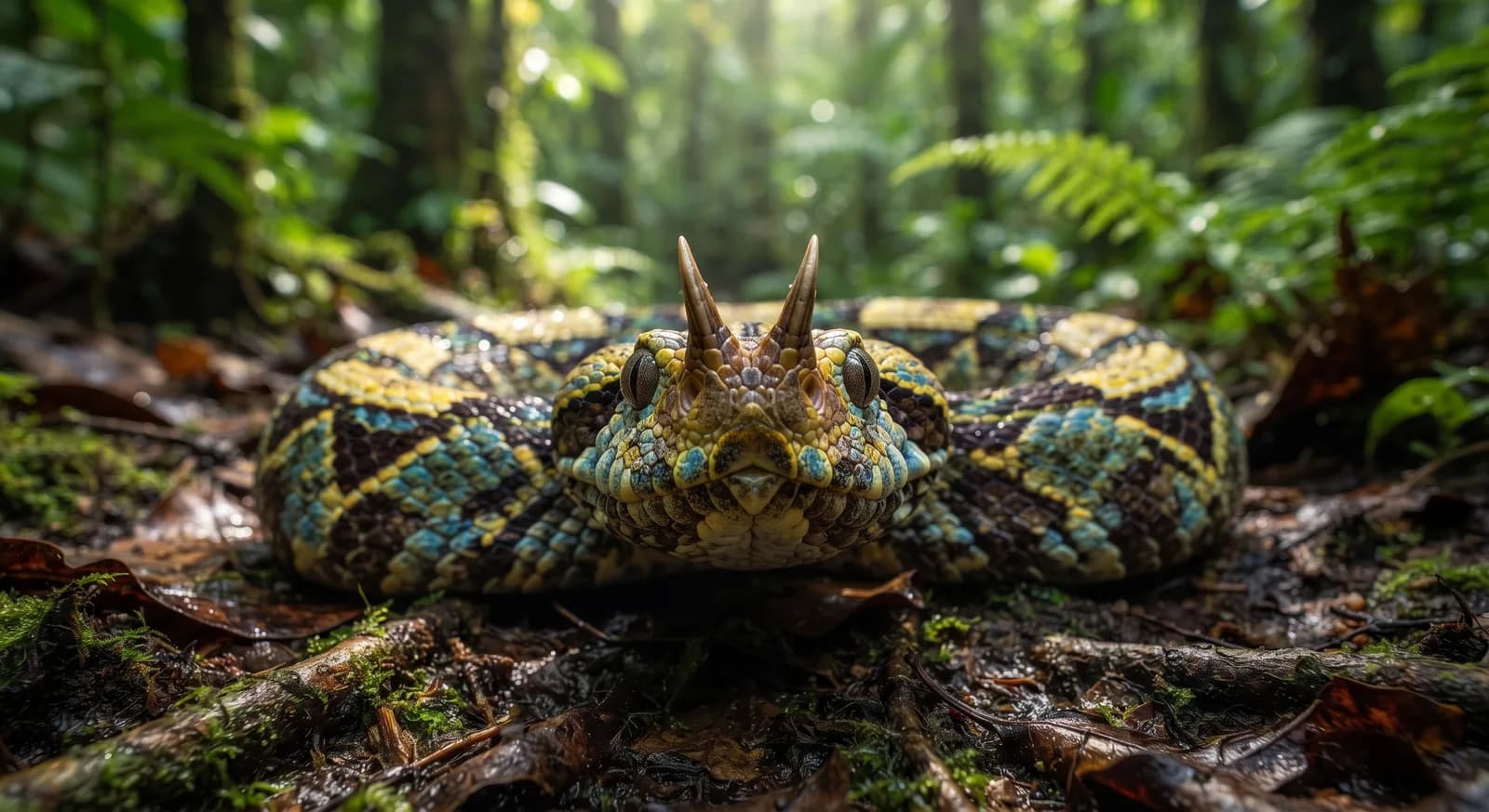
Rhinoceros ViperLeast Concern

Rhinoceros Viper

Bitis nasicornis

Least Concern

Water Chevrotain

Hyemoschus aquaticus

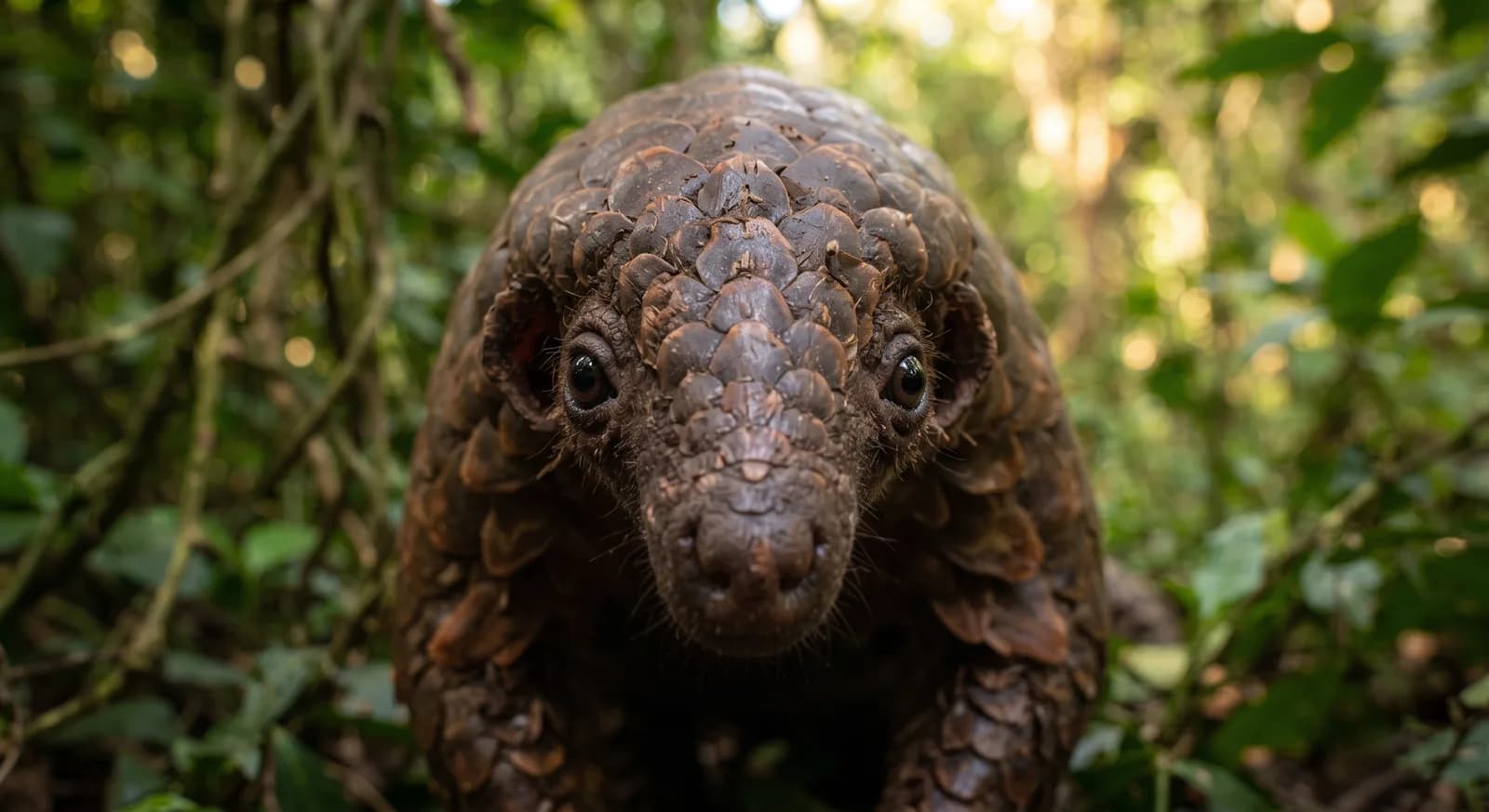
Giant PangolinEndangered

Giant Pangolin

Smutsia gigantea

Endangered

Tree Pangolin

Phataginus tricuspis

CountriesCameroon
ParksOdzala-KokouaRepublic of the Congo
TagsInsectivore
Insectivore
Nocturnal
Solitary
Amphibian
Rainforest
Freshwater
Cameroon
Republic of the Congo
Equatorial Guinea
Nigeria
Angola
Democratic Republic of the Congo
Gabon