Skip to content
WAnimals
  • Map
  • Species
  • Parks
  • Diving
Log inCreate account
WAnimals

The guide for travellers and animal lovers: discover, plan and share your wild adventures around the world.

Discover wildlife

  • Species
  • Ecosystems
  • Glossary
  • Tags

Explore places

  • Map
  • Countries
  • Parks
  • Diving

Plan experiences

  • Guides

Learn

  • Blog

Resources

  • About us
  • How we build our profiles
  • Help centre
  • Contact
  • Install the app

Follow us

Account

  • Log in
  • Create account

© 2026 WAnimals. All rights reserved.

Terms of servicePrivacyCookiesLegal notice
MapSpeciesParksDiving
  1. Home
  2. Species
  3. Black-capped Chickadee

One of the 3 tits on WAnimals

Birds · Passeriformes · Paridae

Black-capped Chickadee

Poecile atricapillus

Least Concern

The species is abundant and widely distributed; it faces no significant short-term risk.

Spotted something wrong?

The black-capped chickadee is one of North America's best-loved birds, with a black cap, white cheeks and a trusting nature that leads it to feed from the hand. Its alarm system is one of the best studied in the animal kingdom: the number of final syllables in its call encodes the level of danger precisely.

Weight

9 g – 14 g

Size

12 cm – 15 cm

Life expectancy

12 years

Diet

Omnivore

Combines animal and plant food depending on availability.

Activity

Diurnal

Active mainly during the day.

Social structure

In pairs

Usually lives in pairs, sometimes for life.

Temperate forest
2countries59parks5same family

Fun facts

  • GeneralIt lowers its body temperature at night to save energy, and remembers thousands of caches.
  • comunicaciónIts alarm call varies in the number of closing notes according to how great the threat is, encoding information about the size and danger of a nearby predator.
  • Its alarm call encodes the level of threat in the number of final syllables: the more it adds, the more dangerous the predator, and other woodland bird species understand and respond to that code.
  • Its brain grows in autumn: the region associated with spatial memory increases in size to manage the thousands of food caches it makes, and shrinks again in spring when it no longer needs it.
  • It drops its body temperature by more than ten degrees on winter nights, a controlled torpor that lets it survive temperatures of forty below zero while weighing eleven grams.

Life cycle and biology

Skeleton type
Vertebrate - internal bony skeleton (bird)
Habitat and environment
Deciduous and mixed woodland, copses, parks and gardens of northern North America
Birth weight
Altricial: born blind, naked or with sparse down and entirely dependent
Size at birth
Altricial: born blind, naked or with sparse down and entirely dependent
Sexual maturity
5.9 months
Gestation / incubation
12 days
Litter / clutch size
7

Sources consulted: Wikipedia (en): Black-capped chickadee

Where to find it

Best time: All year round in North America, by day; in winter it joins mixed flocks and comes readily to feeders.

Loading map…

Where to see it

Parks and dive sites where this species has been documented — showing 10 of 59.

Related species

Other species in the catalogue with the most in common with Black-capped Chickadee — same habitat, park, country, tags or family.

Shares a park
Shares a park
Shares a park
Shares a park
Shares a park
Shares a park

Keep exploring

Based on what we already know about black-capped chickadee.

Share an experience, a fun fact or a tip for seeing the black-capped chickadee.
See full glossary
This page in other languages: Español · Deutsch · Français · Português · Italiano

The pins mark the parks where its presence is documented.
See its range on the interactive map→
Yellowstone National ParkUnited States
GlacierUnited States
Great Smoky MountainsUnited States
DenaliUnited States
AcadiaUnited States
OlympicUnited States
Glacier BayUnited States
Wrangell-St. EliasUnited States
Mammoth CaveUnited States
Grand TetonUnited States
See all 59 parks
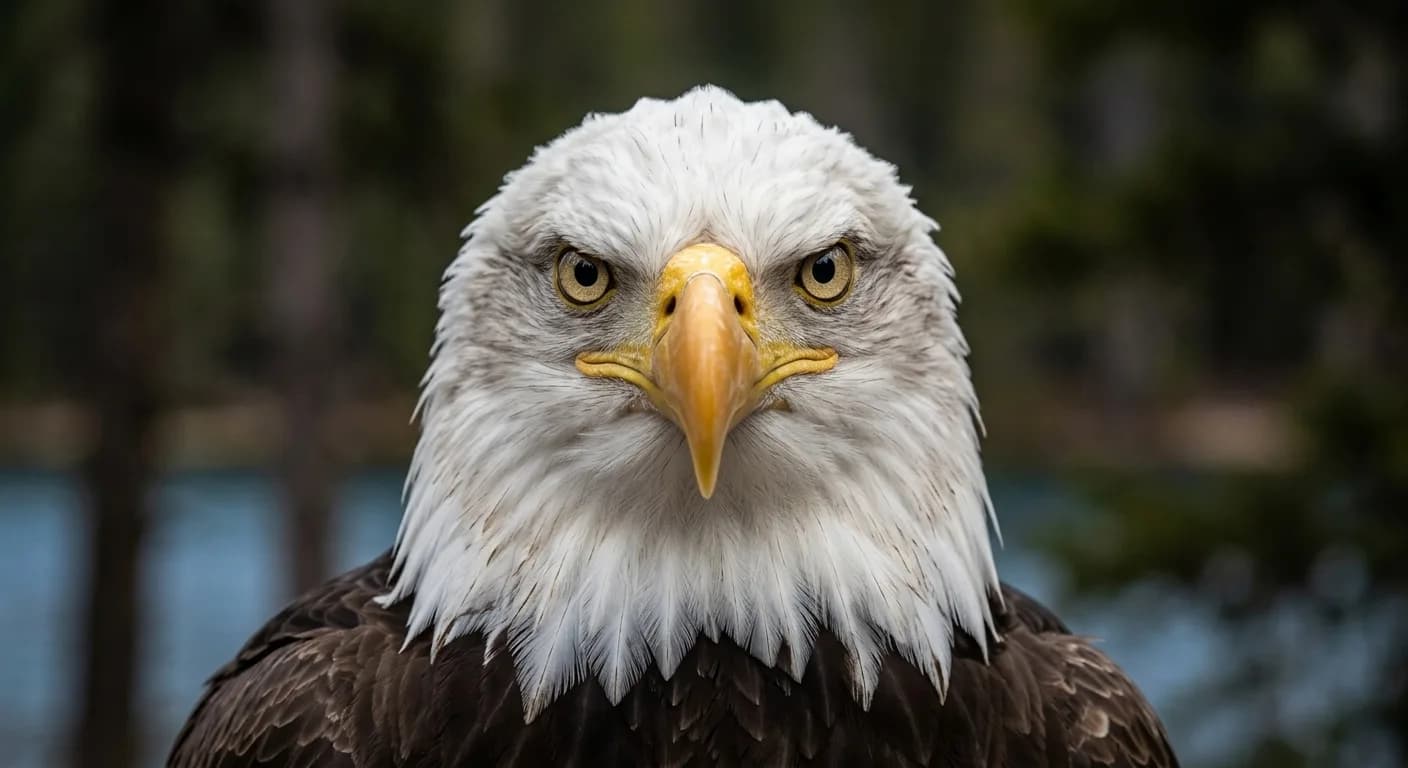
Bald EagleLeast Concern

Bald Eagle

Haliaeetus leucocephalus

Least Concern

Wood Duck

Aix sponsa

Least Concern

Wild Turkey

Meleagris gallopavo

Least Concern

Mourning Dove

Zenaida macroura

Least Concern

Pileated Woodpecker

Dryocopus pileatus

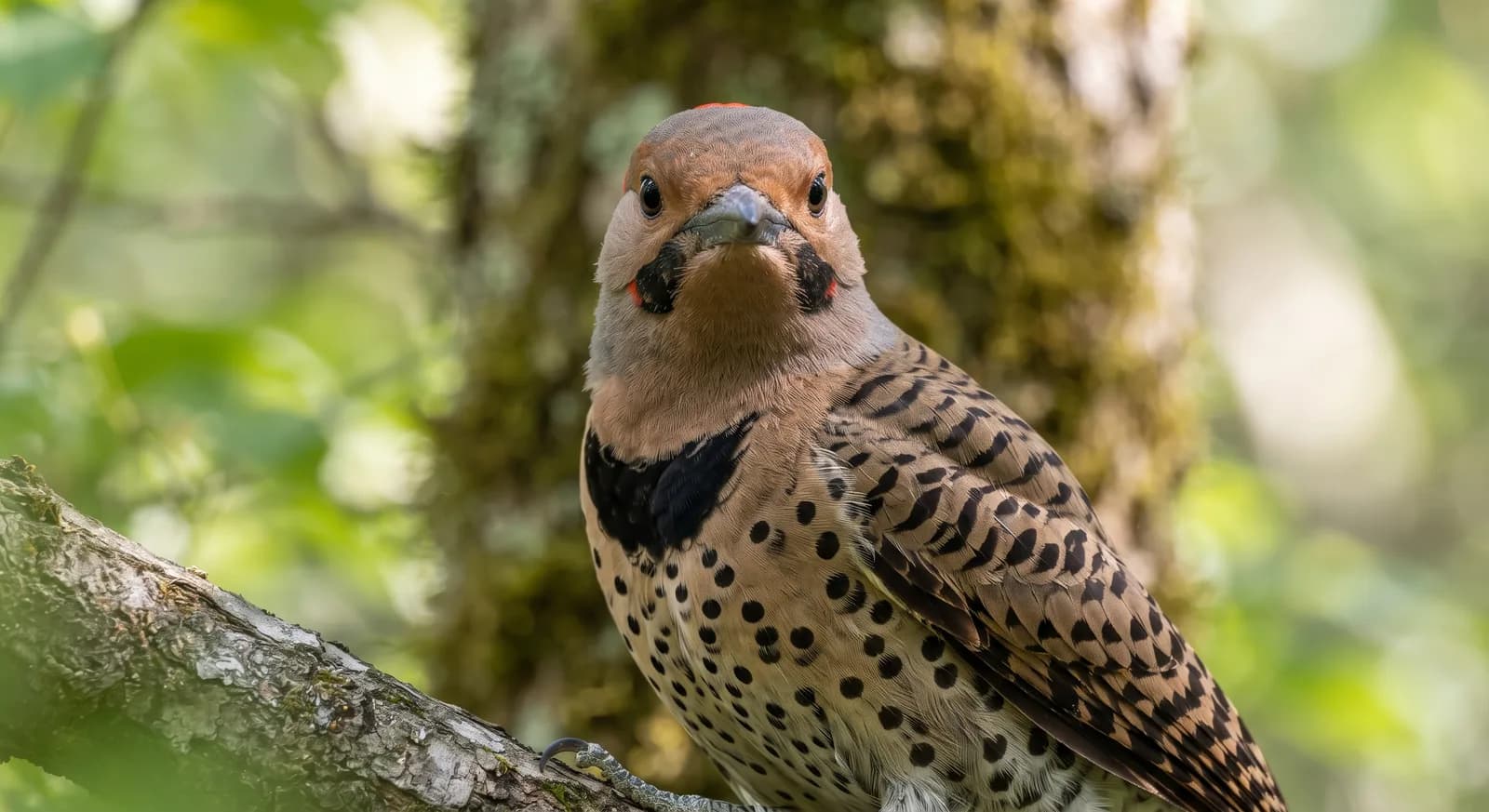
Northern FlickerLeast Concern

Northern Flicker

Colaptes auratus

CountriesCanada
ParksYellowstone National ParkUnited States
TagsOmnivore
Omnivore
Diurnal
In pairs
Bird
Temperate forest
Canada
United States