Skip to content
WAnimals
  • Map
  • Species
  • Parks
  • Diving
Log inCreate account
WAnimals

The guide for travellers and animal lovers: discover, plan and share your wild adventures around the world.

Discover wildlife

  • Species
  • Ecosystems
  • Glossary
  • Tags

Explore places

  • Map
  • Countries
  • Parks
  • Diving

Plan experiences

  • Guides

Learn

  • Blog

Resources

  • Help centre
  • Contact
  • Install the app

Follow us

Account

  • Log in
  • Create account

© 2026 WAnimals. All rights reserved.

About usHow we build our profilesTerms of servicePrivacyLegal notice
MapSpeciesParksDiving
  1. Home
  2. Species
  3. Black Guan

One of the 3 guans on WAnimals

Black Guan (Chamaepetes unicolor)

Birds · Galliformes · Cracidae

Black Guan

Chamaepetes unicolor

Near Threatened

It could become threatened in the near future if current threats go unchecked.

Spotted something wrong?

The black guan is an entirely black cracid with a bluish sheen, intensely blue facial skin and red legs, endemic to the mountains of Costa Rica and western Panama. It feeds on fruit in the cloud forest canopy and is an important seed disperser. Hunting and the fragmentation of highland forest keep it in decline.

Weight

1.1 kg – 1.3 kg

Size

62 cm – 69 cm

Life expectancy

18 years

Diet

Herbivore

Feeds mainly on plants.

Activity

Diurnal

Active mainly during the day.

Social structure

In pairs

Usually lives in pairs, sometimes for life.

Sighting difficulty

Moderate

RainforestMountain
2countries4parks5same family

AI-generated images: illustrations, not photographs.

Fun facts

  • The male produces a whirring with its wings during courtship: it launches into a short, descending flight, beating its primaries so that they generate a mechanical drumming, a sound that does not come from the throat.
  • Its cobalt-blue facial skin and red legs contrast with its black plumage and make it unmistakable in the cloud forest.
  • It is one of the main dispersers of large seeds in the Costa Rican cloud forest, and its disappearance from a stand measurably reduces the regeneration of several tree species.

Life cycle and biology

Skeleton type
Vertebrate - internal bony skeleton (bird)
Habitat and environment
Montane cloud forest of Costa Rica and western Panama, between 1,000 and 3,000 metres
Sexual maturity
2 years
Gestation / incubation
28 days of incubation
Litter / clutch size
2 eggs

Sources consulted: https://www.iucnredlist.org/ | https://animaldiversity.org/ | https://es.wikipedia.org/

Where to find it

Loading map…

The pins mark the parks where its presence is documented.

Where to see it

Parks and dive sites where this species has been documented.

Related species

Other species in the catalogue with the most in common with Black Guan — same habitat, park, country, tags or family.

Same taxonomic family
Shares a park
Shares a park
Shares a park
Shares a park
Shares a park

Keep exploring

Based on what we already know about black guan.

Comments

Share an experience, a fun fact or a tip for seeing the black guan.

Be the first to comment.

See full glossary
This page in other languages: Español · Deutsch · Français · Português · Italiano
See its range on the interactive map→
La AmistadCosta Rica
Volcán BarúPanama
Los QuetzalesCosta Rica
La AmistadPanama
Crested GuanLeast Concern

Crested Guan

Penelope purpurascens

Near Threatened

Great Tinamou

Tinamus major

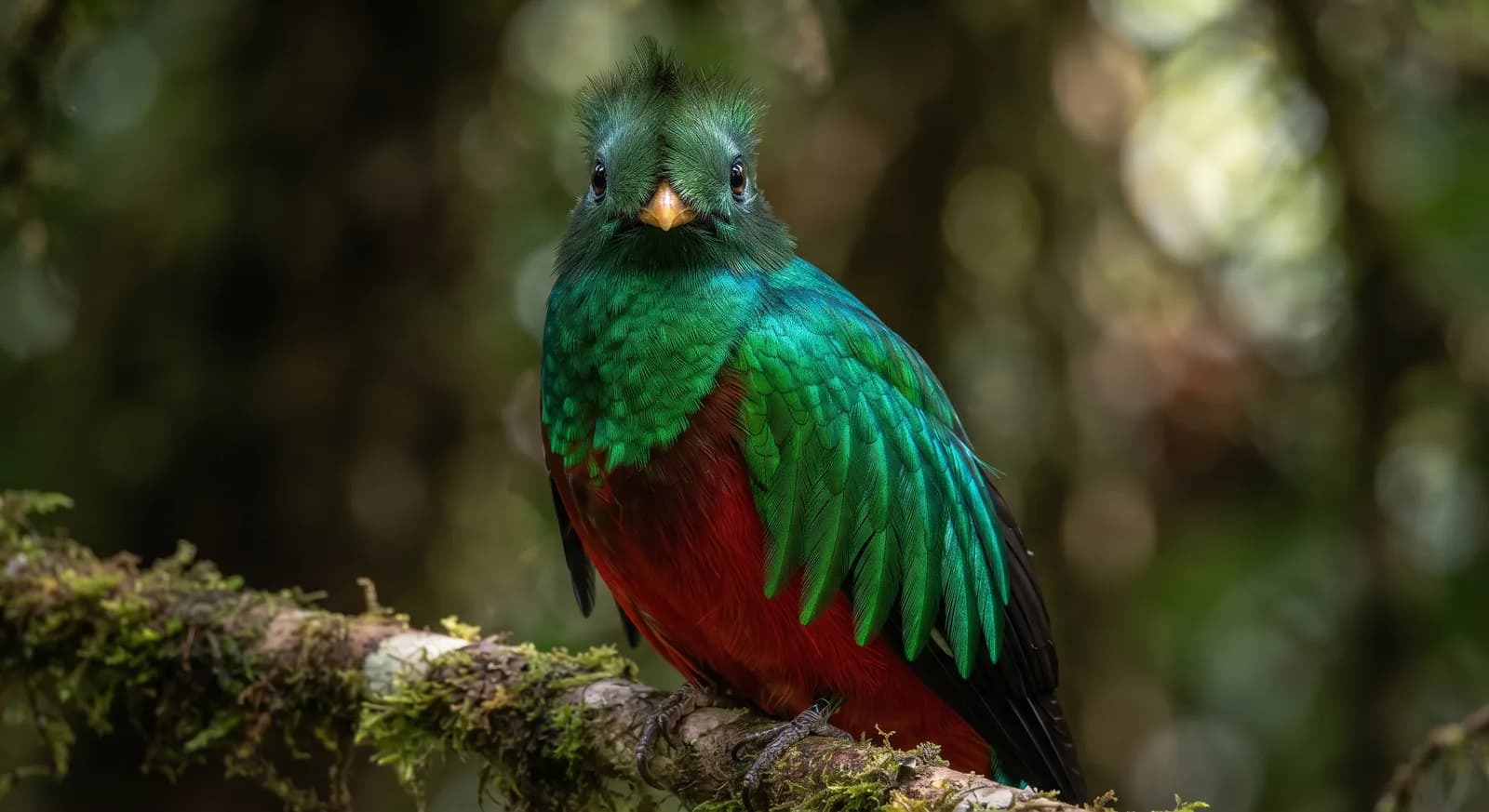
Resplendent QuetzalNear Threatened

Resplendent Quetzal

Pharomachrus mocinno

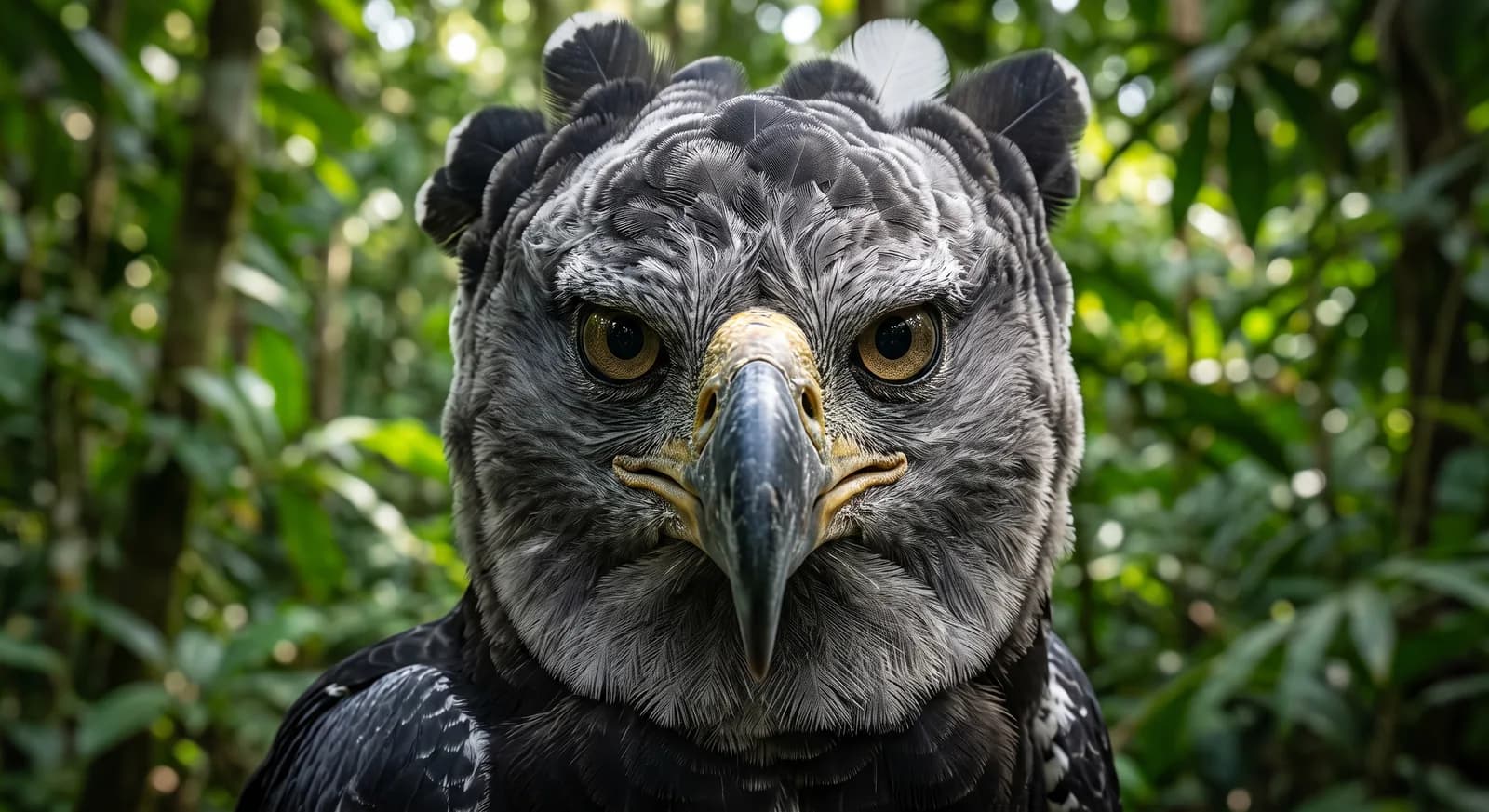
Harpy EagleNear Threatened

Harpy Eagle

Harpia harpyja

Near Threatened

Ornate Hawk-Eagle

Spizaetus ornatus

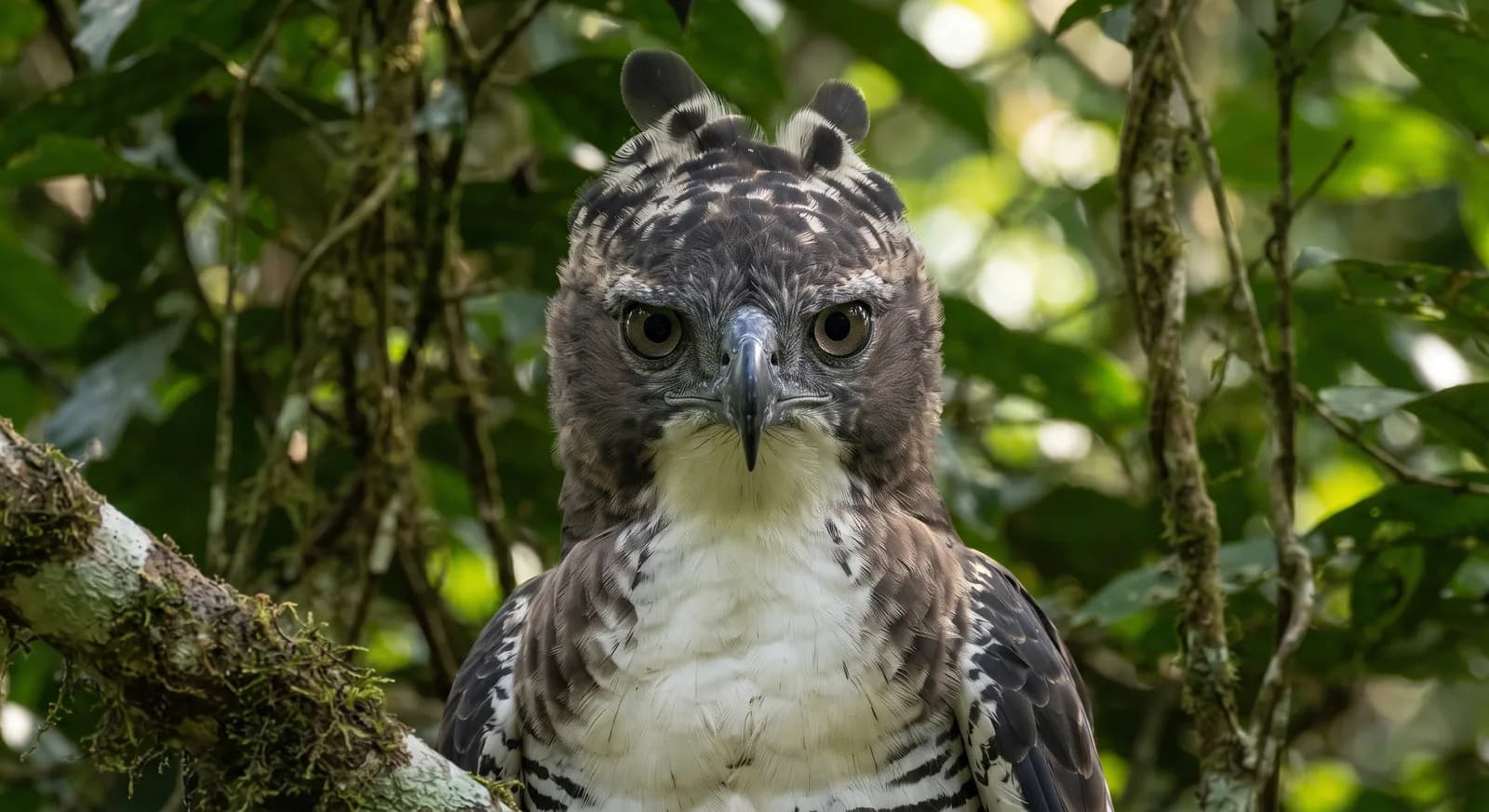
Crested EagleNear Threatened

Crested Eagle

Morphnus guianensis

CountriesCosta Rica
ParksLa AmistadCosta Rica
TagsHerbivore
Herbivore
Diurnal
In pairs
Near Threatened
Bird
Rainforest
Mountain
Costa Rica
Panama