Skip to content
WAnimals
  • Map
  • Species
  • Parks
  • Diving
Log inCreate account
WAnimals

The guide for travellers and animal lovers: discover, plan and share your wild adventures around the world.

Discover wildlife

  • Species
  • Ecosystems
  • Glossary
  • Tags

Explore places

  • Map
  • Countries
  • Parks
  • Diving

Plan experiences

  • Guides

Learn

  • Blog

Resources

  • Help centre
  • Contact
  • Install the app

Follow us

Account

  • Log in
  • Create account

© 2026 WAnimals. All rights reserved.

About usHow we build our profilesTerms of servicePrivacyLegal notice
MapSpeciesParksDiving
  1. Home
  2. Species
  3. Caenorhabditis Roundworm

Nematodes · Rhabditida · Rhabditidae

Caenorhabditis Roundworm

Caenorhabditis elegans

Not Evaluated

It has not yet been assessed against the IUCN criteria.

Spotted something wrong?

Caenorhabditis elegans is a nematode of the family Rhabditidae that measures roughly 1 mm long and lives in temperate environments. It has been an important model for the study of biology, and most especially developmental genetics, since the 1970s.

Size

up to 0.1 cm

Life expectancy

1 year

Diet

Carnivore

Feeds mainly on other animals.

Social structure

Solitary

Lives and hunts alone, joining others only to breed.

Sighting difficulty

Unknown

Grassland

Fun facts

  • GeneralA model organism of biology: the first animal to have its genome fully sequenced.
  • It is the only animal whose every single cell has a known fate: the complete lineage has been traced from egg to adult, with 959 somatic cells in the hermaphrodite.
  • Specimens travelling aboard the shuttle Columbia survived its break-up in 2003 and were recovered alive among the debris.
  • It is one of the most important model organisms in biology, and several Nobel Prizes have been won with it.
  • The hermaphrodite adult has exactly 959 somatic cells, always the same ones. John Sulston traced the complete lineage of every one of them, cell by cell, from the fertilised egg: it is the only complete cell lineage determined for any animal.
  • Out of that work came the discovery of apoptosis: of the 1,090 cells produced, 131 always disappear at the same moment and in the same way. That is programmed cell death, and it won the 2002 Nobel Prize for Brenner, Sulston and Horvitz.
  • Its 302 neurons and all their connections were mapped as well, the first complete connectome of any animal.
  • In 1998 it became the first multicellular organism to have its genome completely sequenced.
  • The discovery of RNA interference, which brought Fire and Mello the 2006 Nobel Prize, was also made with this worm.
  • It measures a millimetre and is transparent, which makes it possible to see everything inside without opening it up.

Life cycle and biology

Skeleton type
Invertebrate - no rigid skeleton (hydrostatic skeleton beneath the cuticle)
Habitat and environment
Damp soils rich in organic matter
Sexual maturity
3 days

Sources consulted: https://es.wikipedia.org/wiki/Caenorhabditis_elegans

Related species

Other species in the catalogue with the most in common with Caenorhabditis Roundworm — same habitat, park, country, tags or family.

Related to
Related to
Related to
Related to
Related to
Related to

Keep exploring

Based on what we already know about caenorhabditis roundworm.

Comments

Share an experience, a fun fact or a tip for seeing the caenorhabditis roundworm.

Be the first to comment.
See full glossary
This page in other languages: Español · Deutsch · Français · Português · Italiano
Not Evaluated

Pork Worm

Trichinella spiralis

Not Evaluated

Pinworm

Enterobius vermicularis

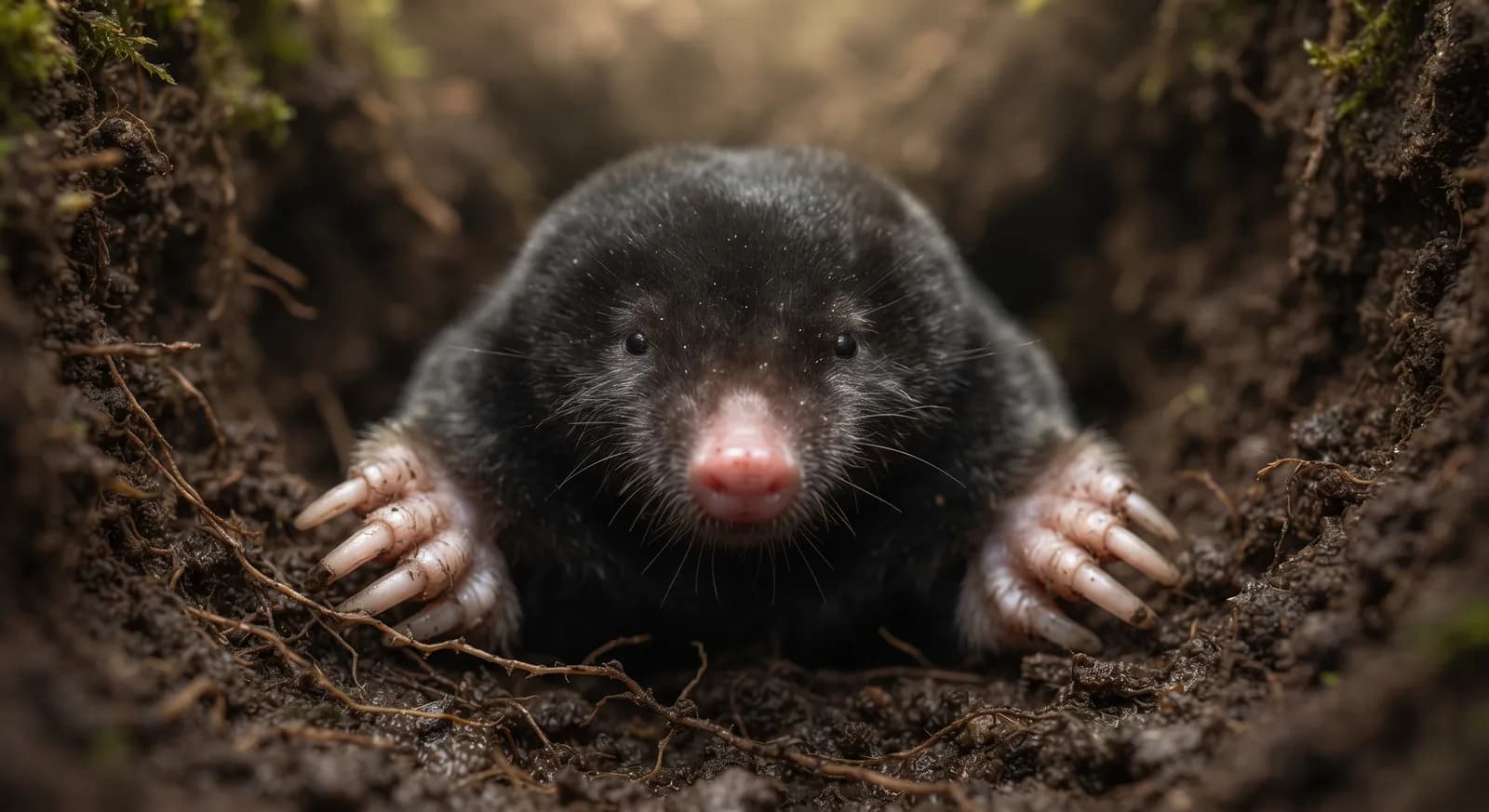
European MoleLeast Concern

European Mole

Talpa europaea

Not Evaluated

Cat

Felis catus

Least Concern

Least Weasel

Mustela nivalis

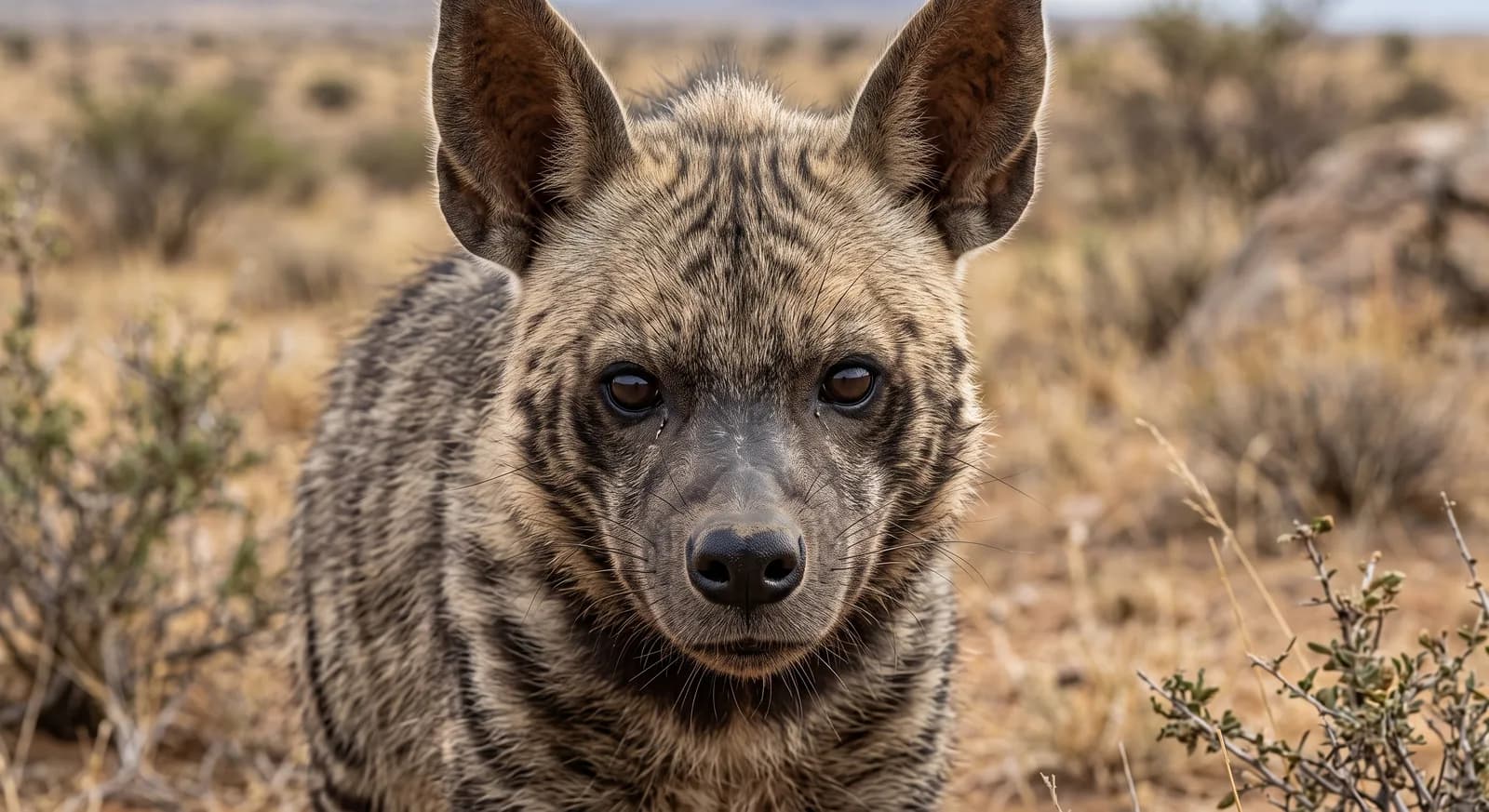
Striped HyaenaNear Threatened

Striped Hyaena

Hyaena hyaena

TagsCarnivore
Carnivore
Solitary
Grassland
Worm