Skip to content
WAnimals
  • Map
  • Species
  • Parks
  • Diving
Log inCreate account
WAnimals

The guide for travellers and animal lovers: discover, plan and share your wild adventures around the world.

Discover wildlife

  • Species
  • Ecosystems
  • Glossary
  • Tags

Explore places

  • Map
  • Countries
  • Parks
  • Diving

Plan experiences

  • Guides

Learn

  • Blog

Resources

  • About us
  • How we build our profiles
  • Help centre
  • Contact
  • Install the app

Follow us

Account

  • Log in
  • Create account

© 2026 WAnimals. All rights reserved.

Terms of servicePrivacyCookiesLegal notice
MapSpeciesParksDiving
  1. Home
  2. Species
  3. Domestic Goose

One of the 4 geese on WAnimals

Birds · Anseriformes · Anatidae

Domestic Goose

Anser anser domesticus

Not Evaluated

It has not yet been assessed against the IUCN criteria.

Spotted something wrong?

The domestic goose descends from the European greylag goose and was domesticated more than 3,000 years ago, probably in Egypt and in central Europe. It is a herbivore and grazes grass with notable efficiency. It forms lasting pair bonds and shows a fidelity to place and a territorial aggressiveness that have made it the traditional guardian of farms and warehouses since antiquity.

Weight

3.5 kg – 11 kg

Size

75 cm – 95 cm

Life expectancy

20 years

Diet

Herbivore

Feeds mainly on plants.

Activity

Diurnal

Active mainly during the day.

FreshwaterGrassland
42same family

Fun facts

  • GeneralDomesticated in Egypt over 3,000 years ago; the Romans kept it on the walls as an alarm.
  • All the European domestic goose breeds belong to this form, derived from the greylag goose, which is regarded as the first bird domesticated by humans.
  • In Spanish wetlands, hybrids between wild and domestic greylags are frequently seen, recognisable by ochre patches on the wings and neck.
  • The EFSA includes it in its opinion on animal welfare, which expressly covers foie gras production.
  • The geese of the Capitol saved Rome according to Livy: their clamour gave warning of a night attack by the Gauls in 390 BC, and from then on they were honoured in the city.
  • Konrad Lorenz discovered imprinting while working with goslings: the young follow the first moving object they see on hatching, and the work earned him the Nobel Prize in 1973.
  • They are still used as an alarm system today: several Scottish distilleries and warehouses around the world keep geese for their reliability in warning of intruders.

Life cycle and biology

Skeleton type
Vertebrate - internal bony skeleton (bird)
Habitat and environment
Farms, ponds, damp meadows and yards worldwide
Sexual maturity
2 years
Gestation / incubation
29 days of incubation
Litter / clutch size
6 eggs

Sources consulted: EFSA 2023, Welfare of ducks, geese and quail on farm (Scientific Opinion) · Waste Magazine · Rodríguez Alonso y Palacios Alberti 2018, Enciclopedia Virtual de los Vertebrados Españoles (MNCN-CSIC) · Linnaeus 1758

Related species

Other species in the catalogue with the most in common with Domestic Goose — same habitat, park, country, tags or family.

Same taxonomic family

Keep exploring

Based on what we already know about domestic goose.
Share an experience, a fun fact or a tip for seeing the domestic goose.
See full glossary
This page in other languages: Español · Deutsch · Français · Português · Italiano
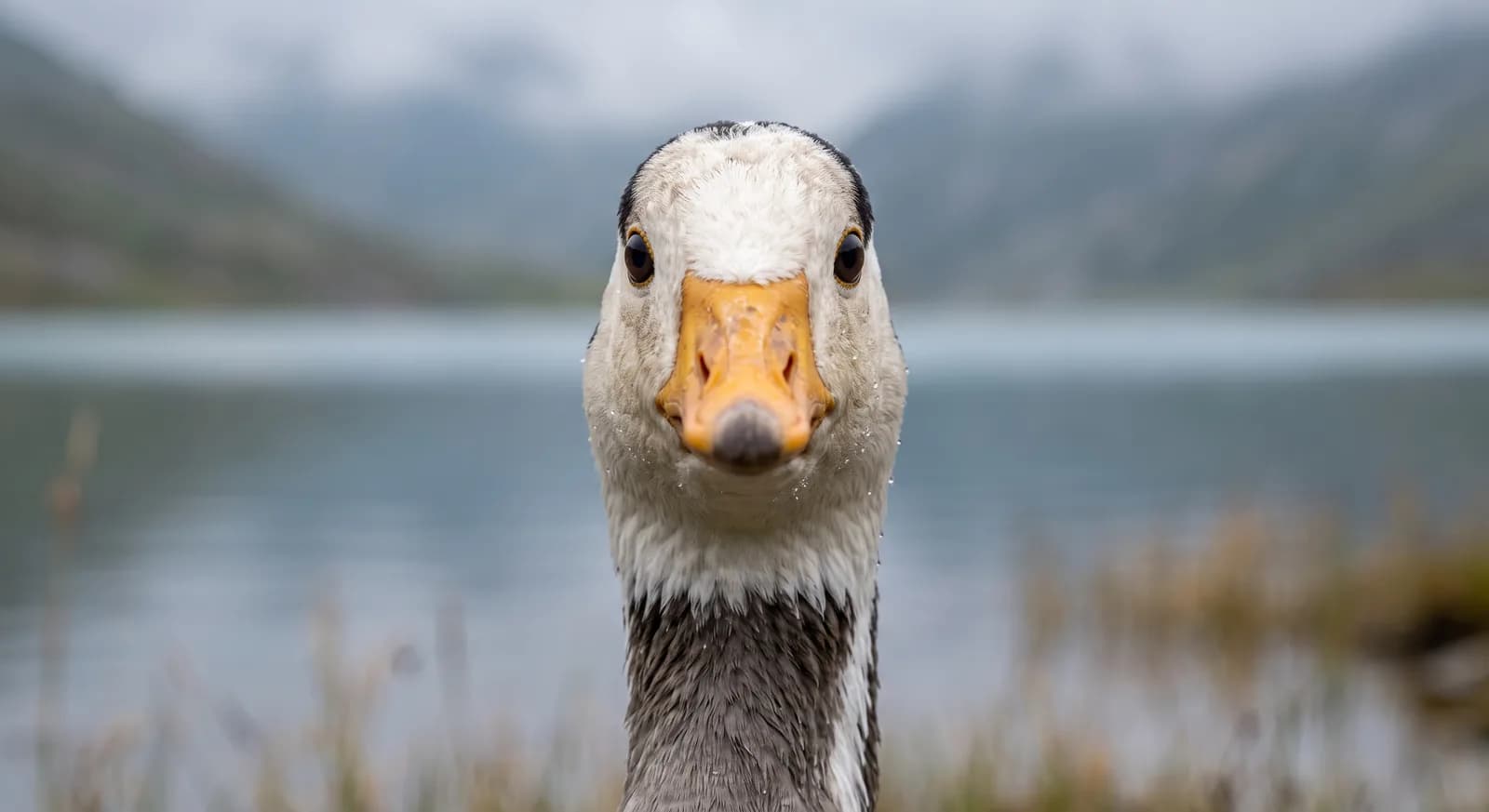
Bar-headed GooseLeast Concern

Bar-headed Goose

Anser indicus

Least Concern

Gadwall

Mareca strepera

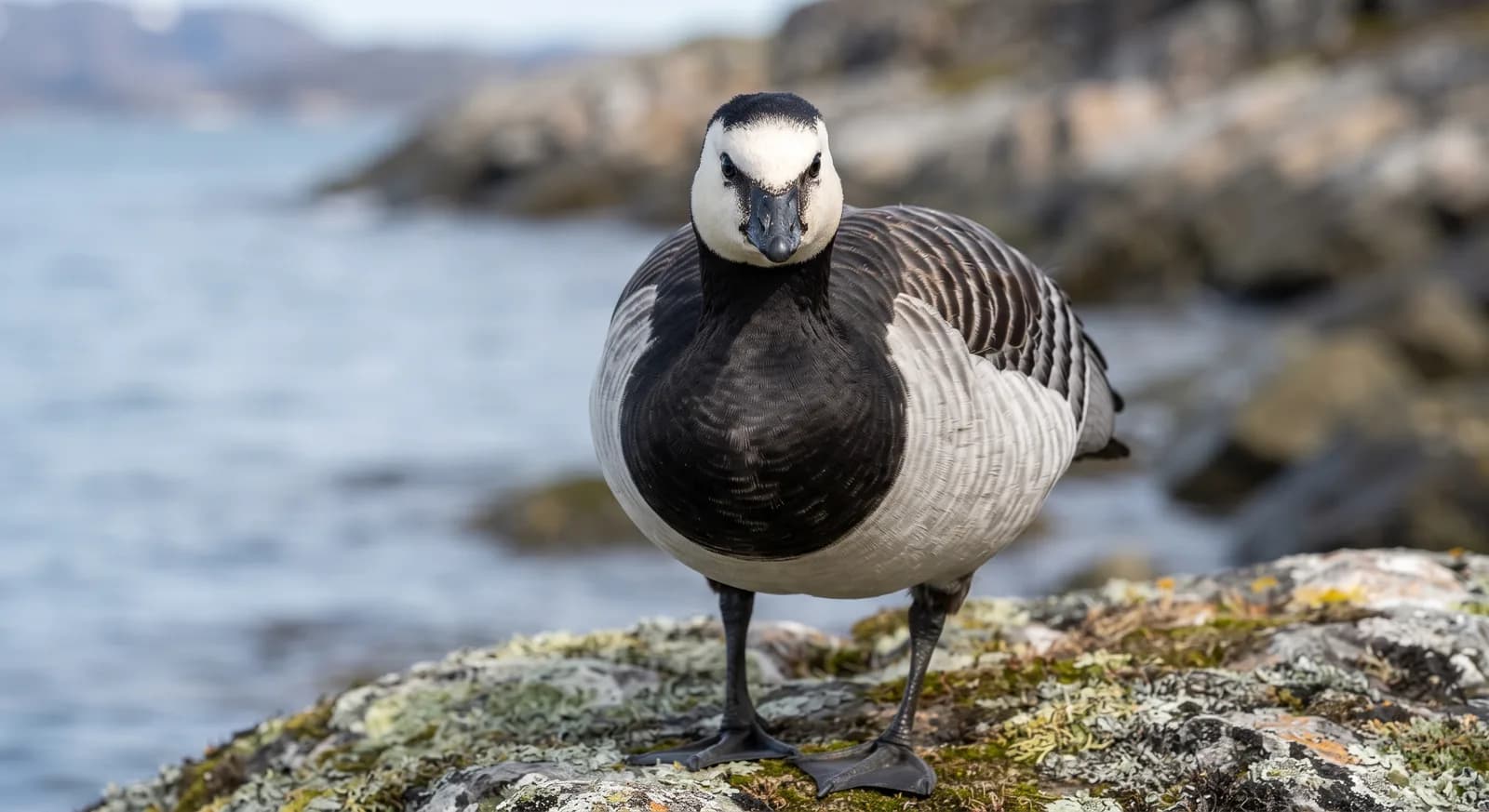
Barnacle GooseLeast Concern

Barnacle Goose

Branta leucopsis

Least Concern

Whooper Swan

Cygnus cygnus

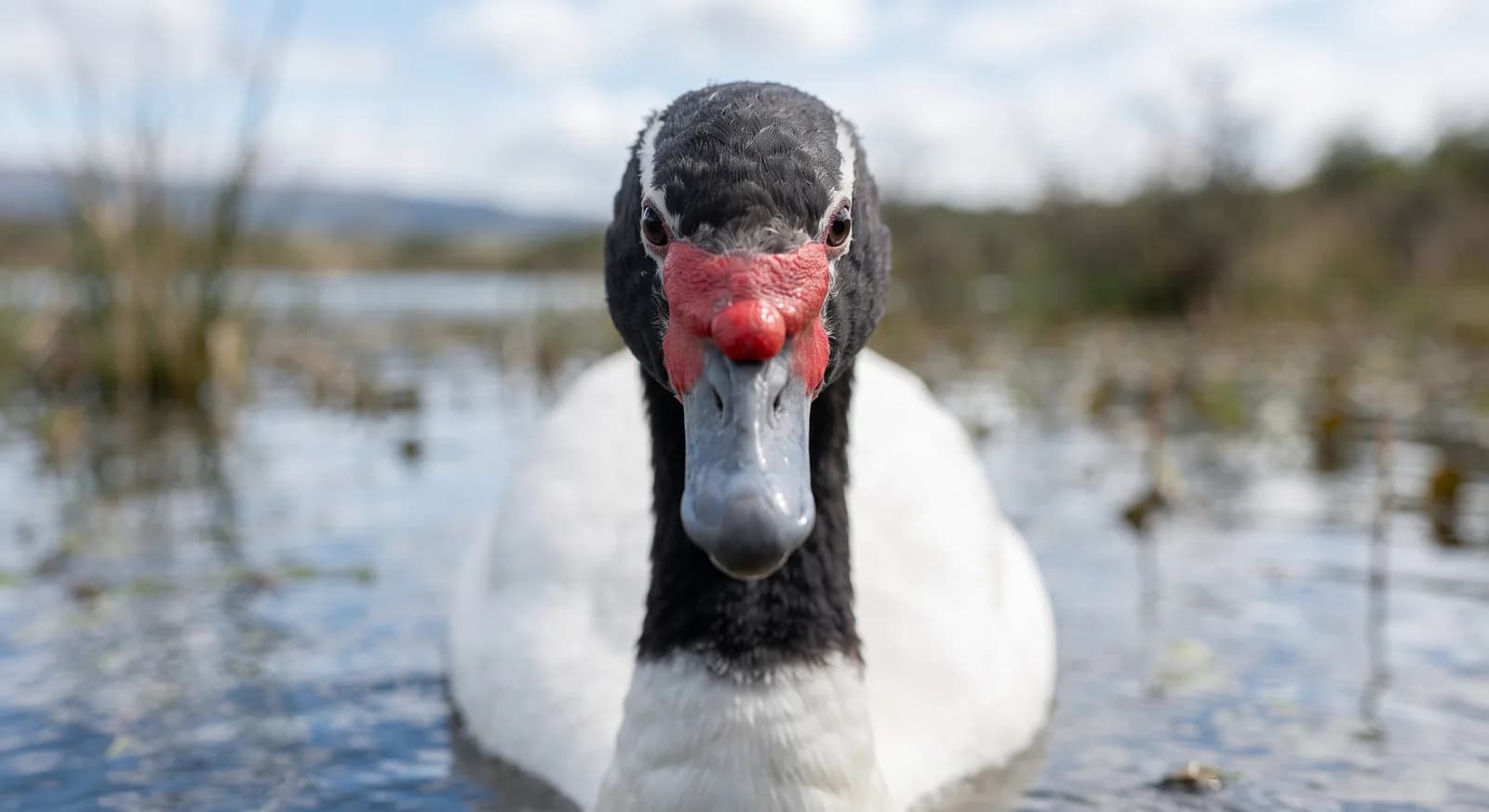
Black-necked SwanLeast Concern

Black-necked Swan

Cygnus melancoryphus

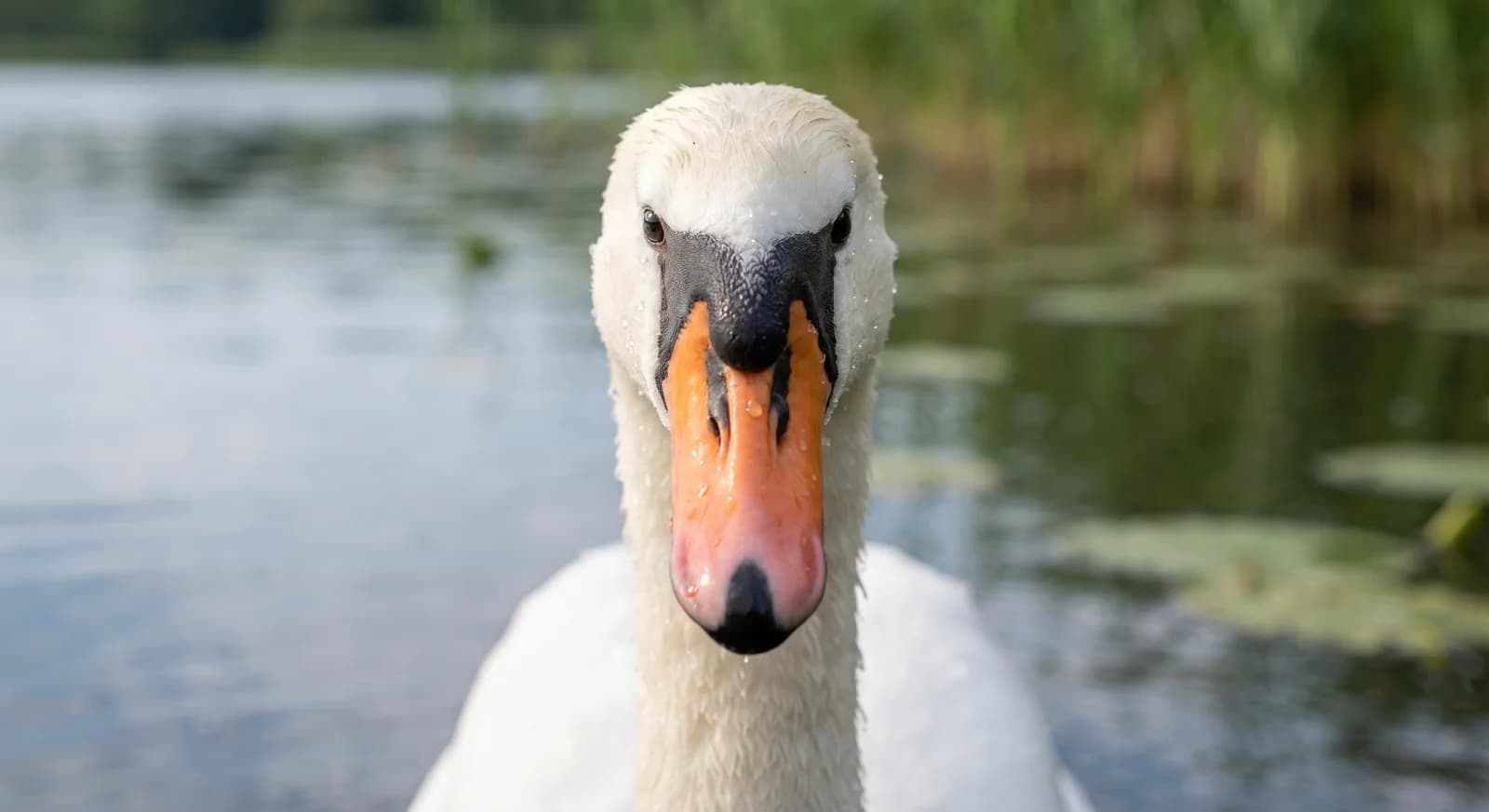
Mute SwanLeast Concern

Mute Swan

Cygnus olor

TagsHerbivore
Herbivore
Diurnal
Bird
Freshwater
Grassland