Skip to content
WAnimals
  • Map
  • Species
  • Parks
  • Diving
Log inCreate account
WAnimals

The guide for travellers and animal lovers: discover, plan and share your wild adventures around the world.

Discover wildlife

  • Species
  • Ecosystems
  • Glossary
  • Tags

Explore places

  • Map
  • Countries
  • Parks
  • Diving

Plan experiences

  • Guides

Learn

  • Blog

Resources

  • About us
  • How we build our profiles
  • Help centre
  • Contact
  • Install the app

Follow us

Account

  • Log in
  • Create account

© 2026 WAnimals. All rights reserved.

Terms of servicePrivacyCookiesLegal notice
MapSpeciesParksDiving
  1. Home
  2. Species
  3. Giant Spider Crab

One of the 22 crabs on WAnimals

Giant Spider Crab (Macrocheira kaempferi)

Malacostracans · Decapoda · Inachidae

Giant Spider Crab

Macrocheira kaempferi

Not Evaluated

It has not yet been assessed against the IUCN criteria.

Spotted something wrong?

The Japanese spider crab is a species of decapod crustacean of the infraorder Brachyura. It belongs to the group of the spider crabs, characterised by their triangular carapace and their long legs; measured from the tip of one leg to the tip of another, it can be considered the longest arthropod that has ever existed, at more than 4 metres, beating Arthropleura at 3 metres long.

Weight

up to 19 kg

Size

up to 3.8 m

Diet

Omnivore

Combines animal and plant food depending on availability.
Ocean
5countries3parks2dive sites1same family

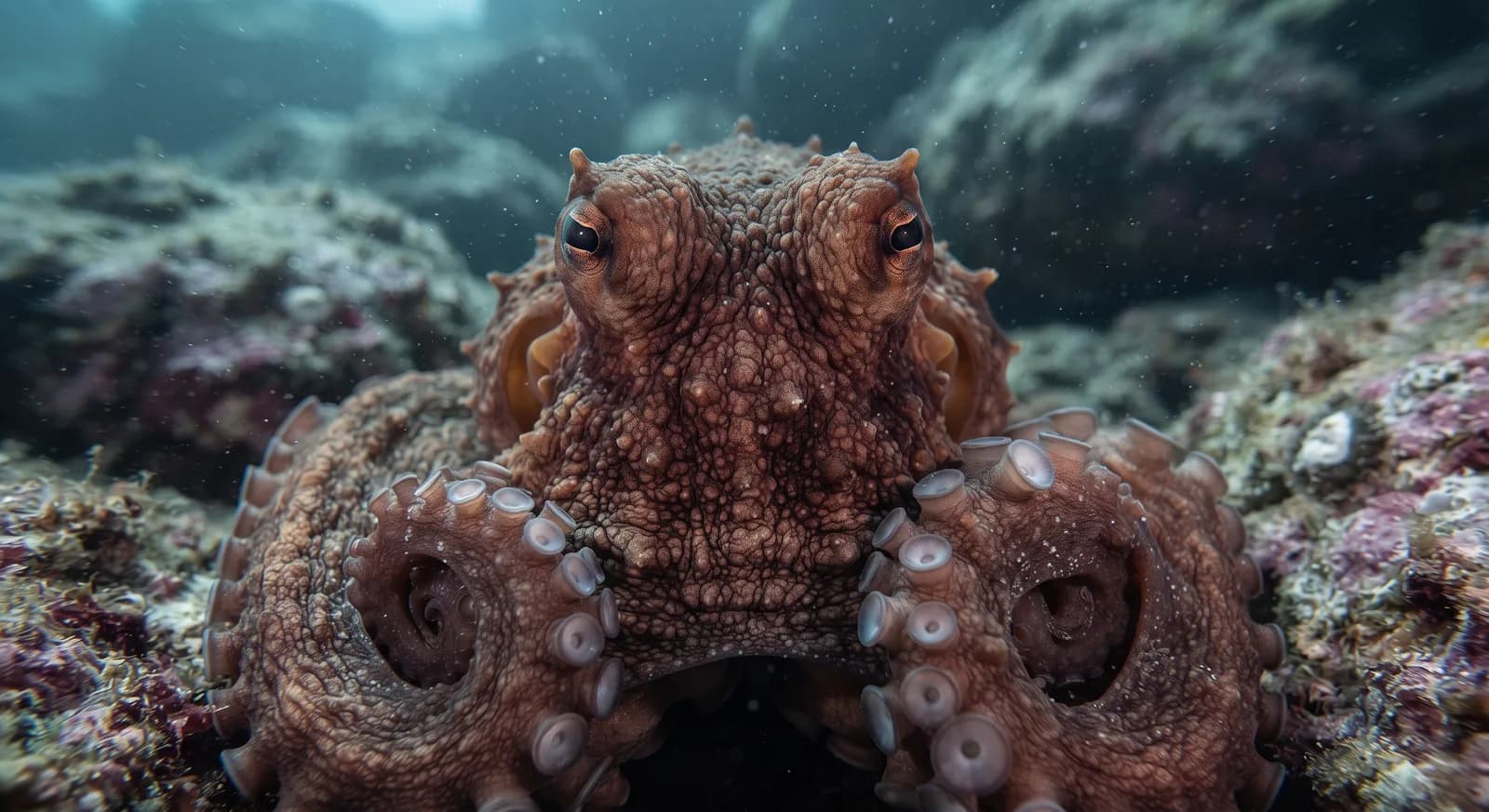
AI-generated images: illustrations, not photographs.

Fun facts

  • GeneralThe largest arthropod in the world: 3.8 m from leg tip to leg tip.
  • récordIt has the greatest leg span of any known living arthropod, and can exceed 3.7 metres between the tips of its outstretched front legs.
  • It has the greatest leg span of any living arthropod: up to 3.7 or 3.8 metres from claw to claw.
  • The body, by contrast, is modest: the carapace does not exceed about 40 cm. Almost all its size is in the legs.
  • By mass it is the second-heaviest living arthropod, at up to 19 kg, behind only the American lobster.
  • Males have much longer claws than females, longer than the rest of their legs.
  • Recent work on its larvae and its DNA has moved it out of the family Inachidae and into one of its own, Macrocheiridae.
  • It is the target of a small-scale fishery that has made conservation measures necessary.

Life cycle and biology

Skeleton type
Invertebrate - articulated calcareous exoskeleton (crustacean)
Habitat and environment
Continental slope bottoms (150-800 m)

Sources consulted: Wikipedia (es): Macrocheira kaempferi

Where to find it

Loading map…

The pins mark the parks and dive sites where its presence is documented.

Where to see it

Parks and dive sites where this species has been documented.

Related species

Other species in the catalogue with the most in common with Giant Spider Crab — same habitat, park, country, tags or family.

Shares a park
Shares a park
Shares a park
Shares a park
Shares a park
Shares a park

Keep exploring

Based on what we already know about giant spider crab.

Share an experience, a fun fact or a tip for seeing the giant spider crab.
See full glossary
This page in other languages: Español · Deutsch · Français · Português · Italiano
See its range on the interactive map→
Ise-ShimaJapan
Sanriku FukkoJapan
SetonaikaiJapan
OsezakiJapan
Sagami BayJapan
Not Evaluated

Japanese Sea Lily

Metacrinus rotundus

Least Concern

Pacific Sardine

Sardinops sagax

Not Evaluated

Japanese Pufferfish

Takifugu rubripes

Giant Pacific OctopusLeast Concern

Giant Pacific Octopus

Enteroctopus dofleini

Least Concern

Cuvier's Beaked Whale

Ziphius cavirostris

Bryde's WhaleLeast Concern

Bryde's Whale

Balaenoptera edeni

CountriesJapan
ParksIse-ShimaJapan
TagsOmnivore
Omnivore
Ocean
Crustacean
Japan
China
North Korea
South Korea
Taiwan