Species group · Birds
Kookaburras
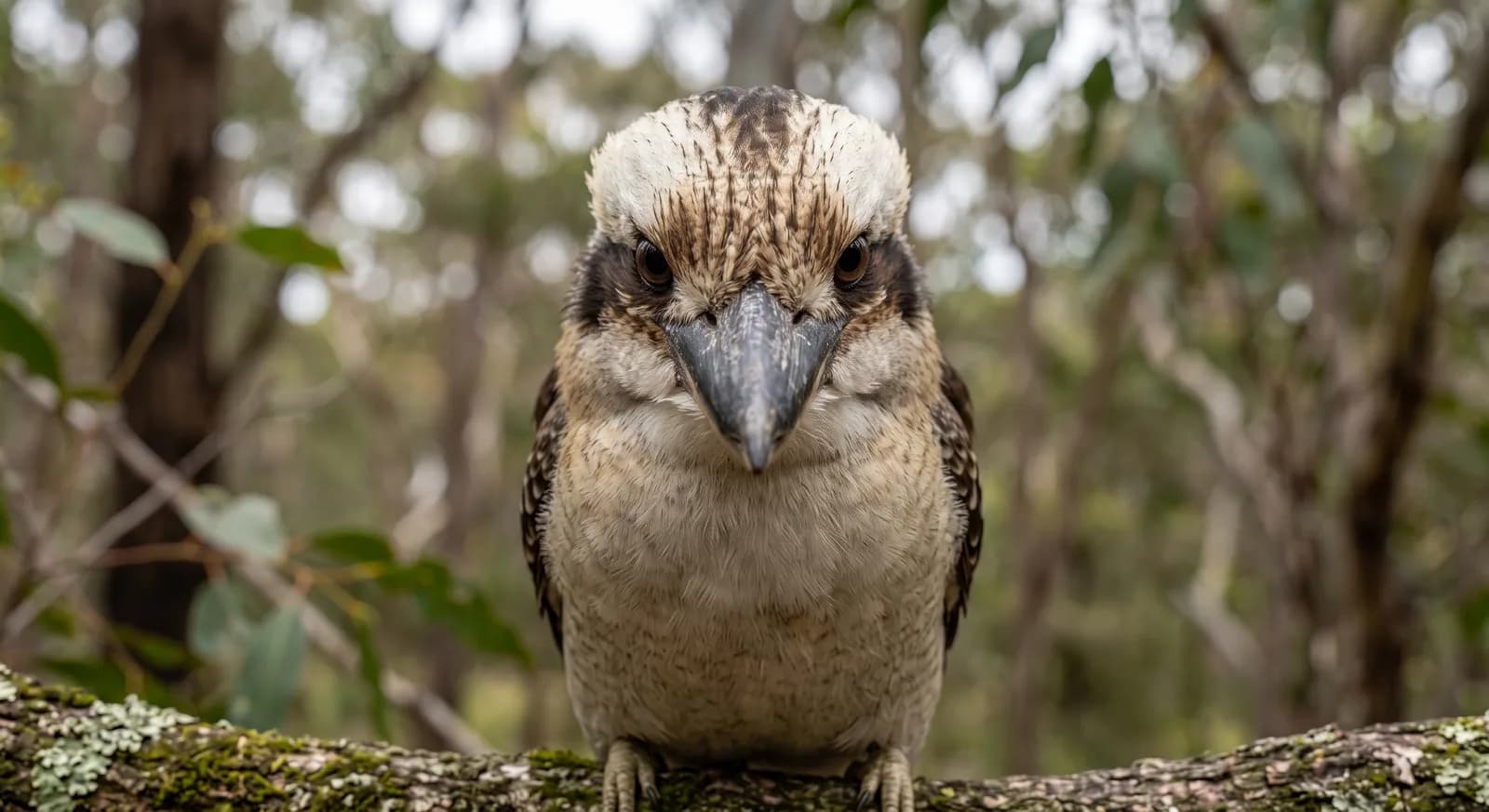
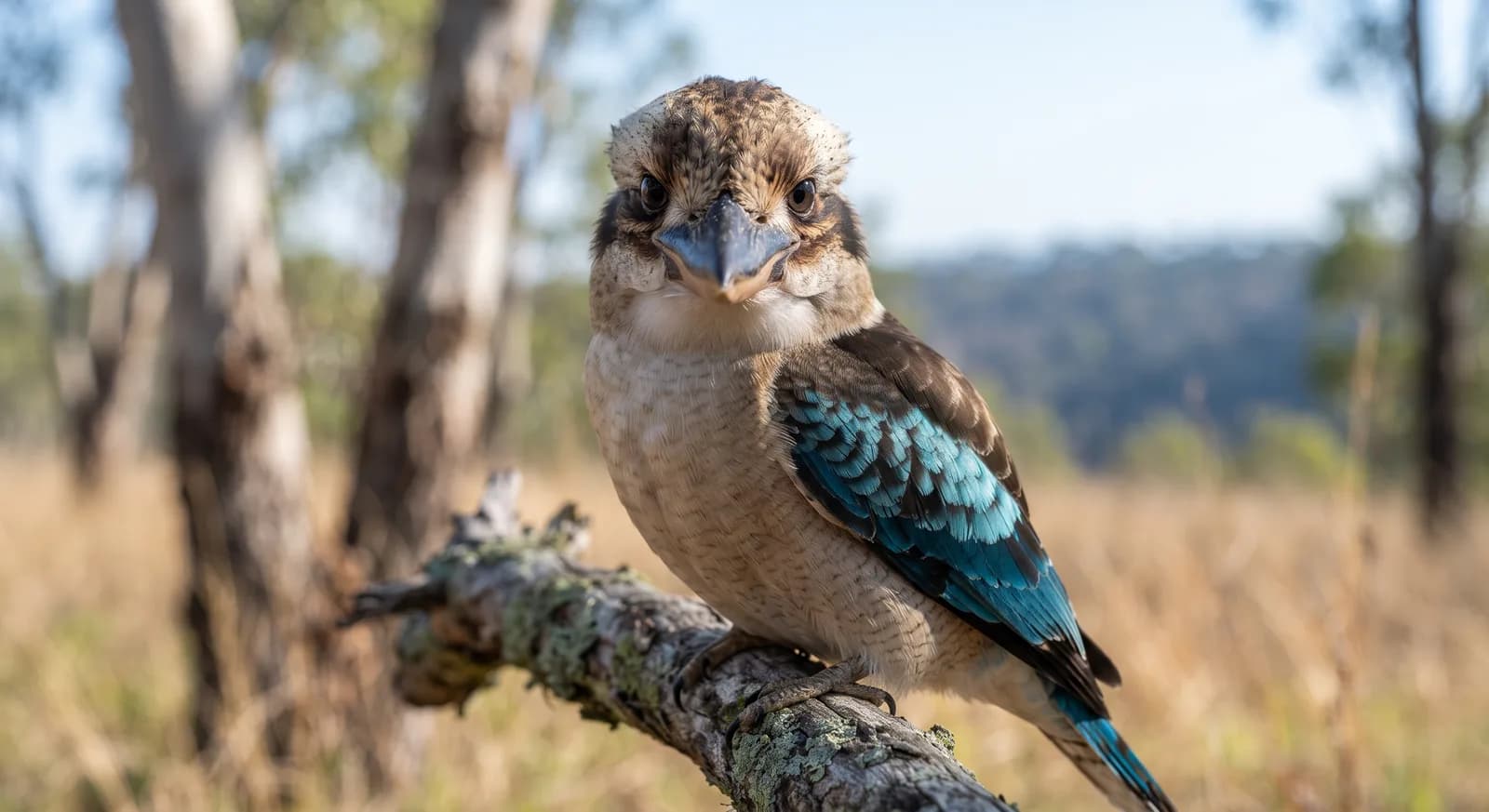
WAnimals has 2 species of kookaburra, in the family Alcedinidae.
- 2 species
- 1 family
- 4 countries
- 37 parks
- Weight
- 284 g – 352 g
- Length
- 38 cm – 47 cm
- Lifespan
- 15 – 20 years
Ranges calculated from the profiles that record the figure, not from all 2.
All 2 species of kookaburras on WAnimals
Each one has its own full profile. This group does not replace them: it brings them together.
Conservation status
2 Least Concern
No species documented in this group is genuinely at risk according to the IUCN, with the data available today.
Where they live
Recorded in 4 countries. The ones with the most species in the group:
Where to see them
Did you know…?
Its call, like human laughter, traditionally marks dawn and dusk, and family groups sing it together to defend their territory.
From Laughing Kookaburra
Its collective laughter at dawn is a territorial marker, not an expression of merriment: the whole group performs it in chorus and neighbouring groups answer, forming a chain that runs through the forest.
From Laughing Kookaburra
It is the largest kingfisher in the world and almost never fishes: it hunts reptiles, insects and rodents on land, and is famous for killing venomous snakes by dropping them from the air.
From Laughing Kookaburra
It lives in cooperative family groups, where young birds from earlier broods help their parents feed the new chicks before striking out on their own.
Its call is not the clean laughter of the laughing kookaburra but a harsh, broken howling that Australians describe as the barking of a run-over dog: far less musical and a good deal more unsettling.
It frequently nests inside arboreal termite mounds: it digs a chamber in the live termite nest, and the termites seal the wound around it and give the chicks a stable temperature.