Skip to content
WAnimals
  • Map
  • Species
  • Parks
  • Diving
Log inCreate account
WAnimals

The guide for travellers and animal lovers: discover, plan and share your wild adventures around the world.

Discover wildlife

  • Species
  • Ecosystems
  • Glossary
  • Tags

Explore places

  • Map
  • Countries
  • Parks
  • Diving

Plan experiences

  • Guides

Learn

  • Blog

Resources

  • About us
  • How we build our profiles
  • Help centre
  • Contact
  • Install the app

Follow us

Account

  • Log in
  • Create account

© 2026 WAnimals. All rights reserved.

Terms of servicePrivacyCookiesLegal notice
MapSpeciesParksDiving
  1. Home
  2. Species
  3. Hardhead Sea Catfish

One of the 4 catfishes on WAnimals

Bony fish · Siluriformes · Ariidae

Hardhead Sea Catfish

Ariopsis felis

Least Concern

The species is abundant and widely distributed; it faces no significant short-term risk.

Spotted something wrong?

A sea catfish of the American Atlantic, silvery brown and with barbels around the mouth. It lives in estuaries and turbid coastal waters, where it searches the bottom for invertebrates and fish. The spines of the dorsal and pectoral fins are venomous and inflict painful wounds on anglers.

Size

25 cm – 70 cm

Diet

Carnivore

Feeds mainly on other animals.

Social structure

School

Gathers in coordinated schools, typical of fish.

Ocean
2countries

Fun facts

  • The male broods the eggs in his mouth: a few dozen marble-sized eggs, the largest of any marine fish relative to the adult, and he goes eight to eleven weeks without eating.
  • Once the fry leave their father's mouth they keep taking refuge in it at any threat for days afterwards.
  • It produces audible grunts by rubbing the bones of the Weberian apparatus, a system connecting the swim bladder to the inner ear.
  • The male broods in his mouth. He gathers the eggs — enormous, the size of a marble — and carries them in his mouth cavity for two or three months, without eating in all that time.
  • He keeps protecting them after hatching: the fry return to his mouth at any sign of danger for several more weeks.
  • That investment explains why it lays so few eggs: between twenty and sixty-five, against the hundreds of thousands of a free-spawning fish.
  • Its dorsal and pectoral spines are sharp and carry a toxin that causes intense pain and infections; it is one of the usual causes of injuries among fishermen in the Gulf of Mexico.
  • It locates food in murky water with its barbels, which are covered in chemoreceptors.

Life cycle and biology

Skeleton type
Vertebrate - internal bony skeleton (bony fish)
Habitat and environment
Estuaries and soft coastal bottoms of the western Atlantic and the Gulf of Mexico
Gestation / incubation
The male incubates the eggs in his mouth for between 60 and 80 days
Litter / clutch size
From 20 to 65 eggs, very large, up to 2 cm across

Sources consulted: Wikipedia (es): Ariopsis felis

Where to find it

Loading map…

Related species

Other species in the catalogue with the most in common with Hardhead Sea Catfish — same habitat, park, country, tags or family.

Related to
Related to
Related to
Related to
Related to
Related to

Keep exploring

Based on what we already know about hardhead sea catfish.
Share an experience, a fun fact or a tip for seeing the hardhead sea catfish.
See full glossary
This page in other languages: Español · Deutsch · Français · Português · Italiano
See its range on the interactive map→
HagfishLeast Concern

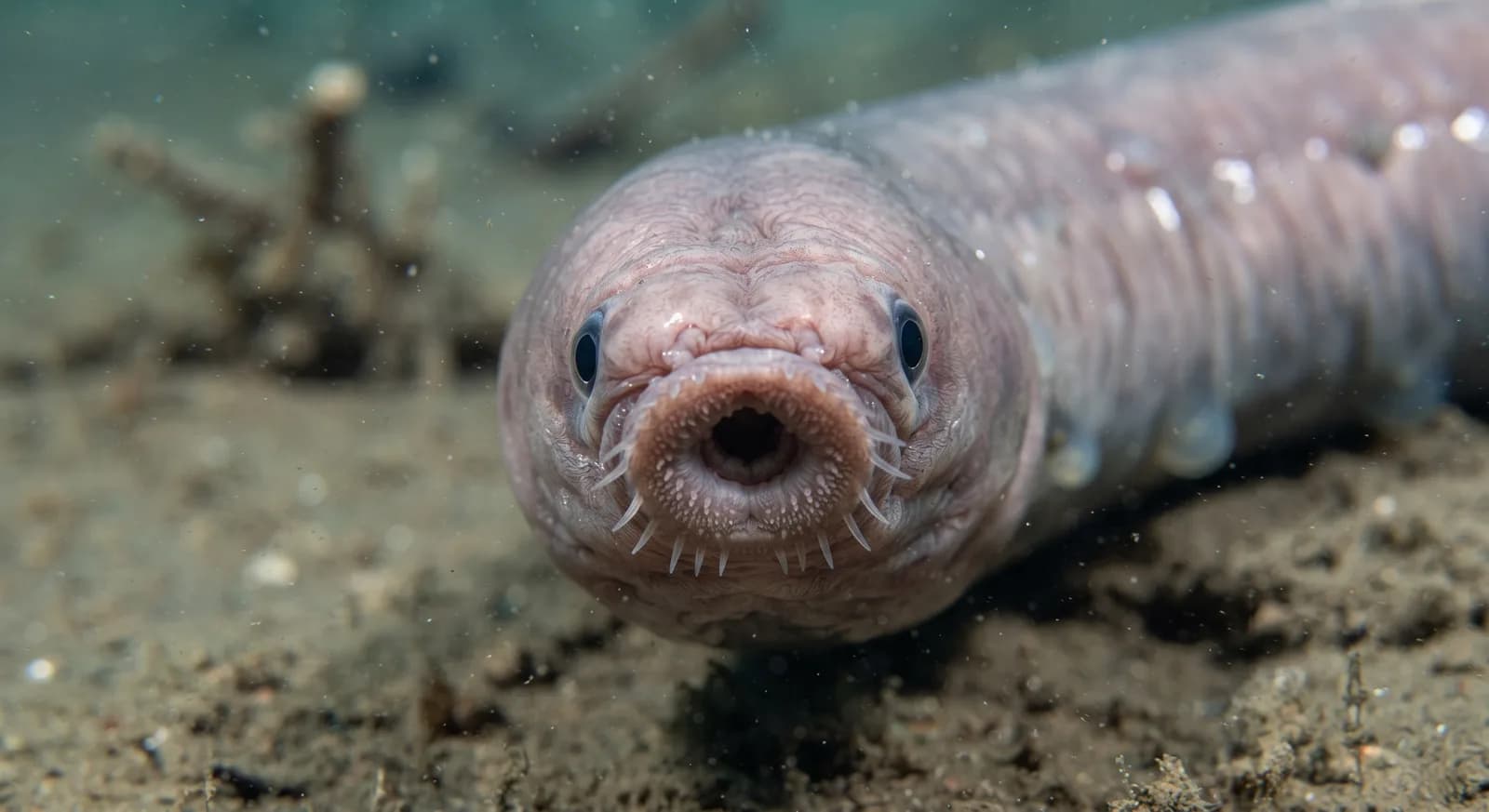
Hagfish

Myxine glutinosa

Least Concern

Ladyfish

Elops saurus

Blackbar SoldierfishLeast Concern

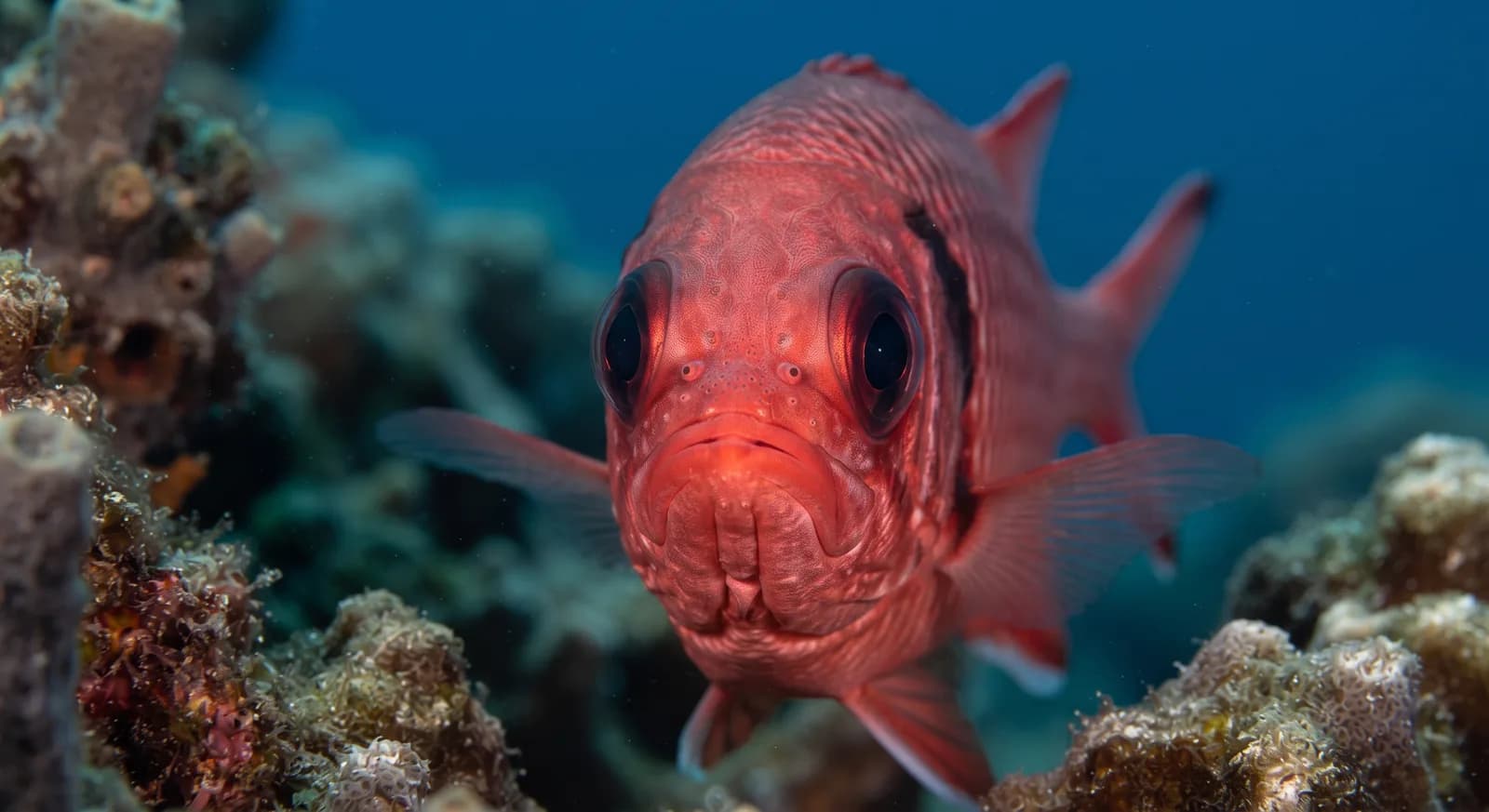
Blackbar Soldierfish

Myripristis jacobus

SkipjackLeast Concern

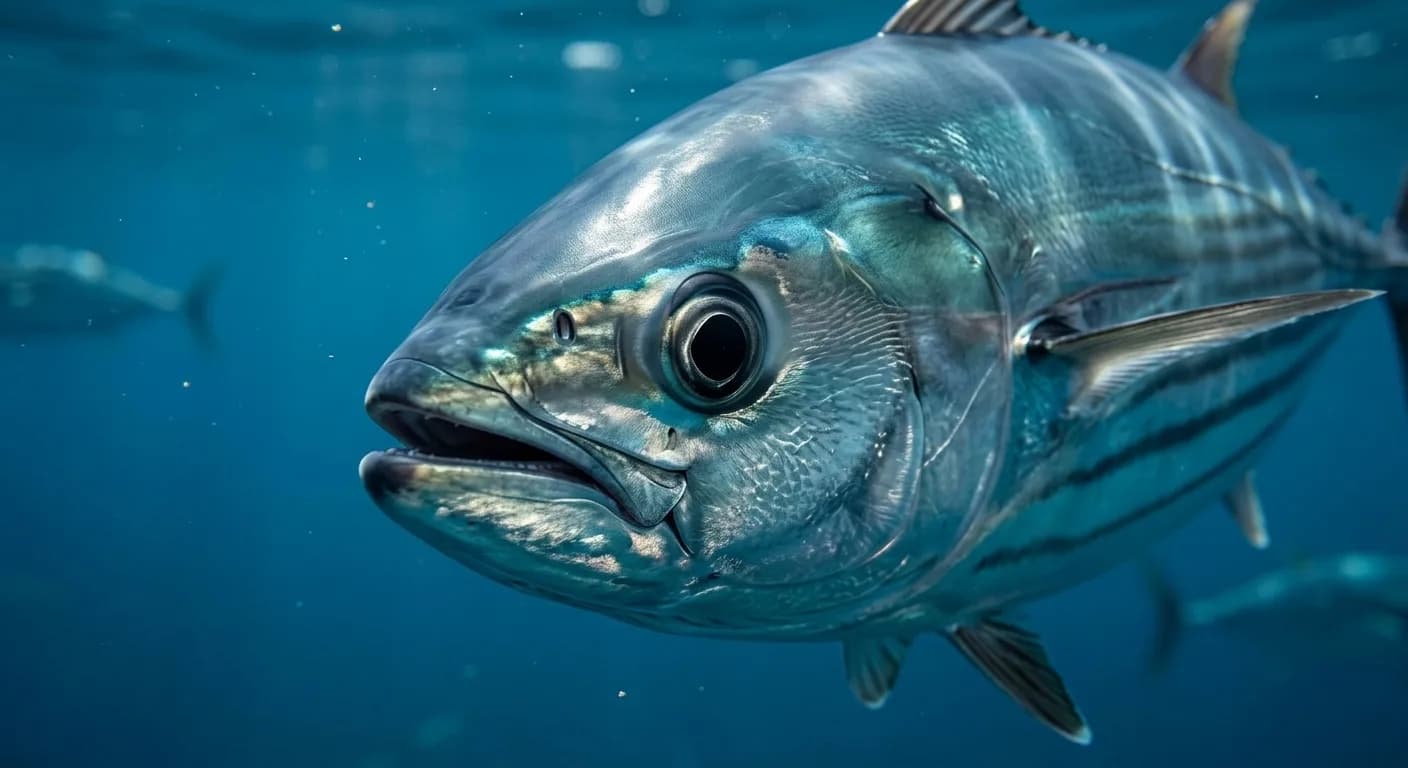
Skipjack

Katsuwonus pelamis

Grey SnapperLeast Concern

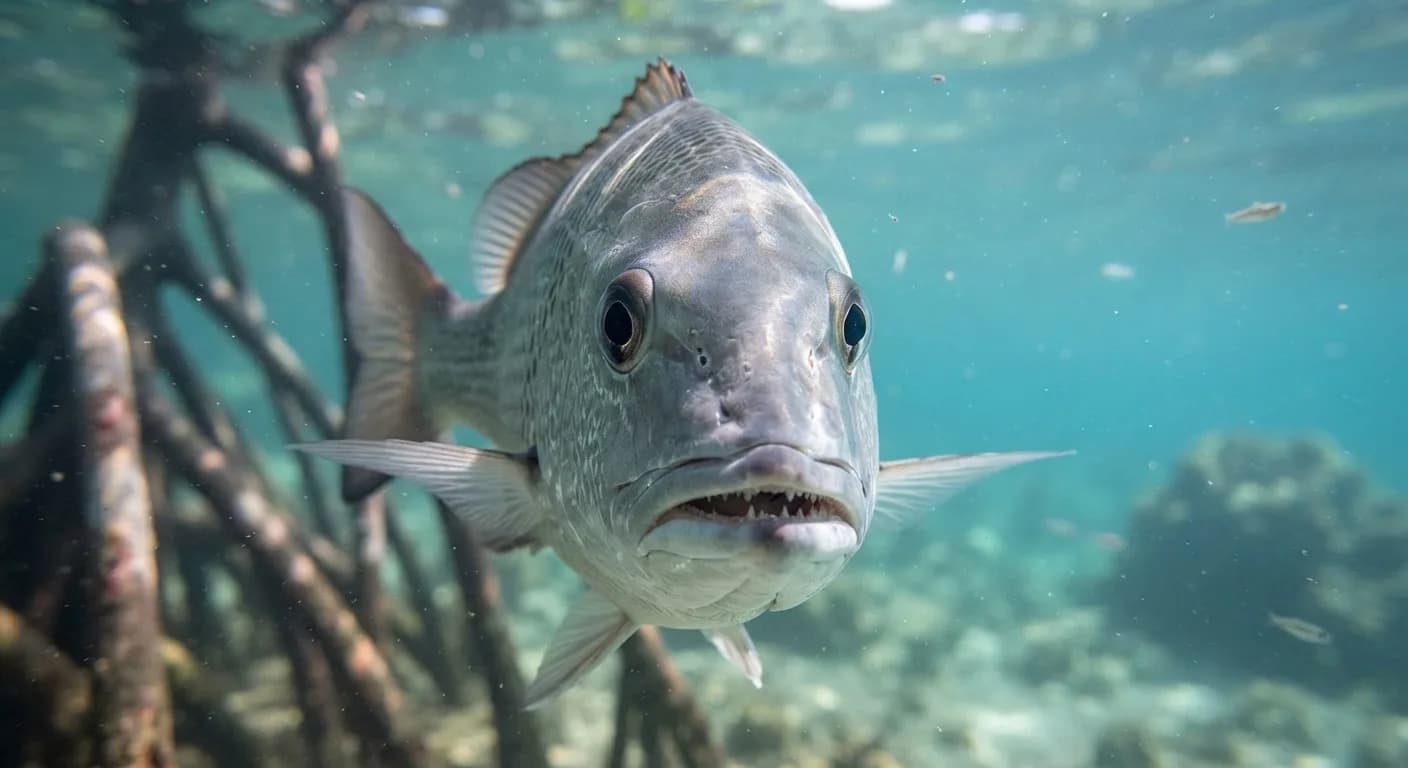
Grey Snapper

Lutjanus griseus

Least Concern

Yellowfin Mojarra

Gerres cinereus

CountriesMexico
TagsCarnivore
Carnivore
Colonial
Fish
Ocean
Mexico
United States