Skip to content
WAnimals
  • Map
  • Species
  • Parks
  • Diving
Log inCreate account
WAnimals

The guide for travellers and animal lovers: discover, plan and share your wild adventures around the world.

Discover wildlife

  • Species
  • Ecosystems
  • Glossary
  • Tags

Explore places

  • Map
  • Countries
  • Parks
  • Diving

Plan experiences

  • Guides

Learn

  • Blog

Resources

  • Help centre
  • Contact
  • Install the app

Follow us

Account

  • Log in
  • Create account

© 2026 WAnimals. All rights reserved.

About usHow we build our profilesTerms of servicePrivacyLegal notice
MapSpeciesParksDiving
  1. Home
  2. Species
  3. Ladyfish

Bony fish · Elopiformes · Elopidae

Ladyfish

Elops saurus

Least Concern

The species is abundant and widely distributed; it faces no significant short-term risk.

Spotted something wrong?

The ladyfish is an elongated, silvery fish with a large terminal mouth, which forms schools in shallow coastal waters, lagoons and estuaries of the western Atlantic. It chases small fish and crustaceans and tolerates widely varying salinities. It is a very hard-fighting fish, prized in sport angling.

Size

50 cm – 1 m

Diet

Carnivore

Feeds mainly on other animals.

Social structure

Colony

Lives in large concentrations, often for breeding reasons.

Sighting difficulty

Easy

Ocean
40countries102dive sites

Fun facts

  • Its larvae are leptocephali: transparent, flattened sheets like willow leaves, identical in appearance to those of eels, which reveals an ancient kinship between the two groups.
  • The leptocephalus grows, and then shrinks to half its size during the metamorphosis into a juvenile.
  • Its flesh, riddled with very fine bones, means it is valued far more as a sport fish than as food.
  • It belongs to the elopomorphs, the same ancient group as the eels and the tarpon, and like them it passes through a transparent, leaf-shaped leptocephalus larva.
  • That larva shrinks during metamorphosis: it becomes shorter before turning into a juvenile, something very uncommon among fishes.
  • It is a game fish prized for its leaps, but of little culinary value because its flesh is full of bones.
  • Juveniles use shallow lagoons and estuaries as nurseries, which makes it dependent on well-preserved coastal wetlands.

Life cycle and biology

Skeleton type
Vertebrate - internal bony skeleton (fish)
Habitat and environment
Coastal waters, lagoons and estuaries of the tropical western Atlantic

Sources consulted: https://en.wikipedia.org/wiki/Elops_saurus

Where to find it

Loading map…

Where to see it

Parks and dive sites where this species has been documented — showing 10 of 102.

Related species

Other species in the catalogue with the most in common with Ladyfish — same habitat, park, country, tags or family.

Shares a dive site
Shares a dive site
Shares a dive site
Shares a dive site
Shares a dive site
Shares a dive site

Keep exploring

Based on what we already know about ladyfish.

Comments

Share an experience, a fun fact or a tip for seeing the ladyfish.

Be the first to comment.

See full glossary
This page in other languages: Español · Deutsch · Français · Português · Italiano

The pins mark the dive sites where its presence is documented.
See its range on the interactive map→
Great Blue HoleBelize
Half Moon Caye WallBelize
Turneffe AtollBelize
Palancar ReefMexico
Isla Mujeres (whale shark)Mexico
Bloody Bay WallCayman Islands
USS Kittiwake wreckCayman Islands
Stingray CityCayman Islands
Tiger BeachBahamas
Jardines de la ReinaCuba
See all 102 dive sites
SkipjackLeast Concern

Skipjack

Katsuwonus pelamis

Grey SnapperLeast Concern

Grey Snapper

Lutjanus griseus

Little TunnyLeast Concern

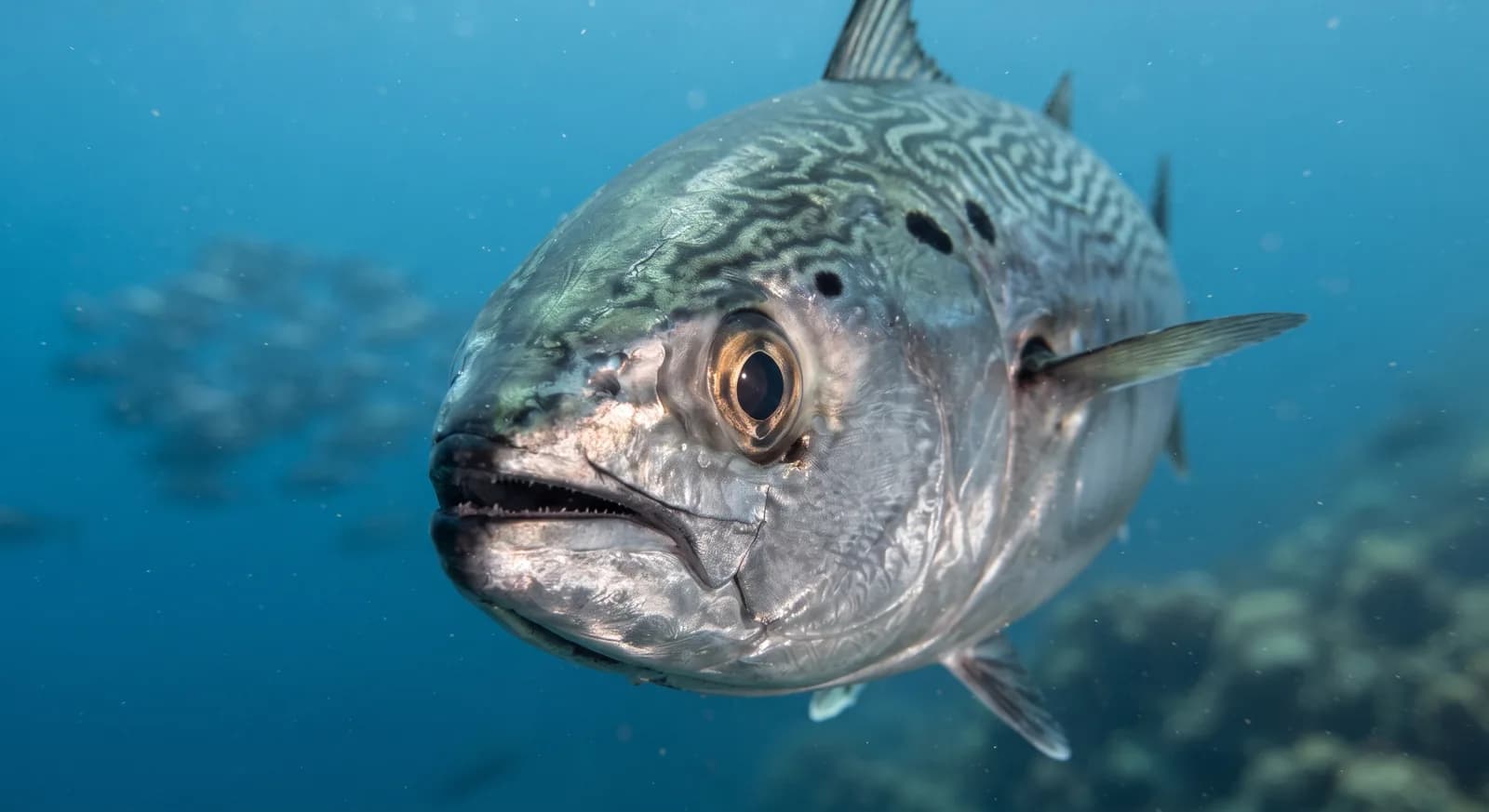
Little Tunny

Euthynnus alletteratus

Magnificent FrigatebirdLeast Concern

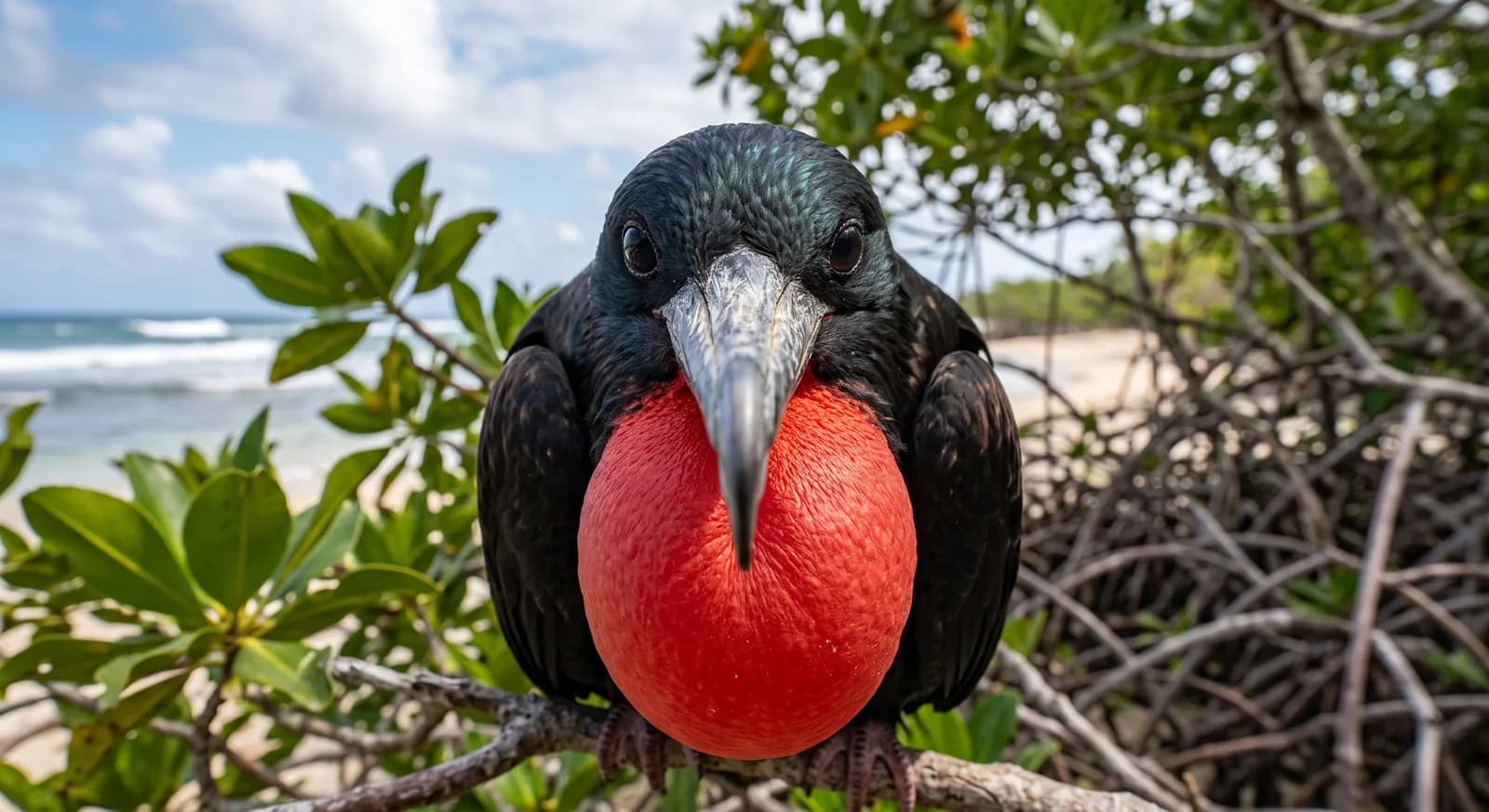
Magnificent Frigatebird

Fregata magnificens

Green MorayLeast Concern

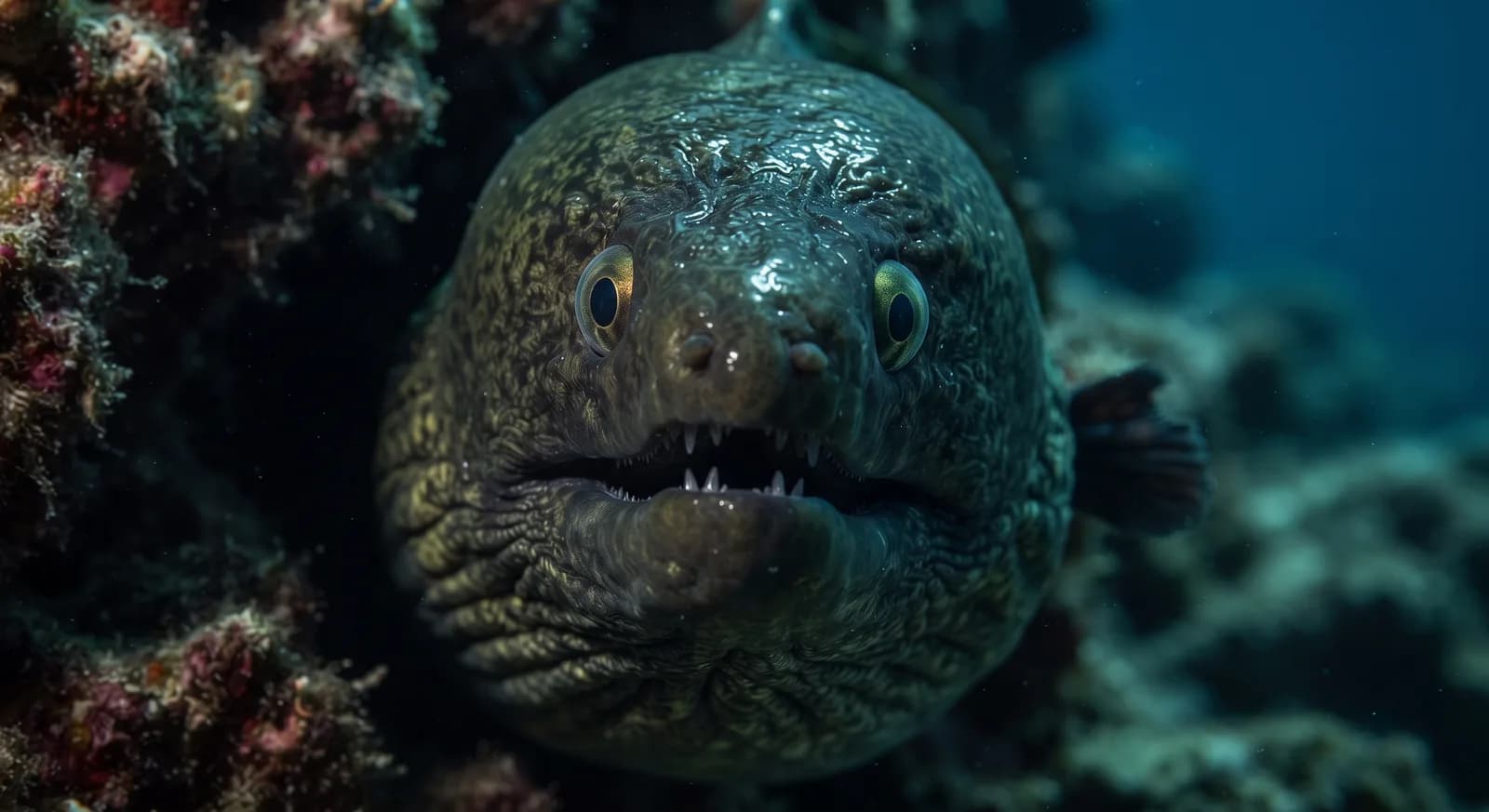
Green Moray

Gymnothorax funebris

Tropical Two-wing FlyingfishLeast Concern

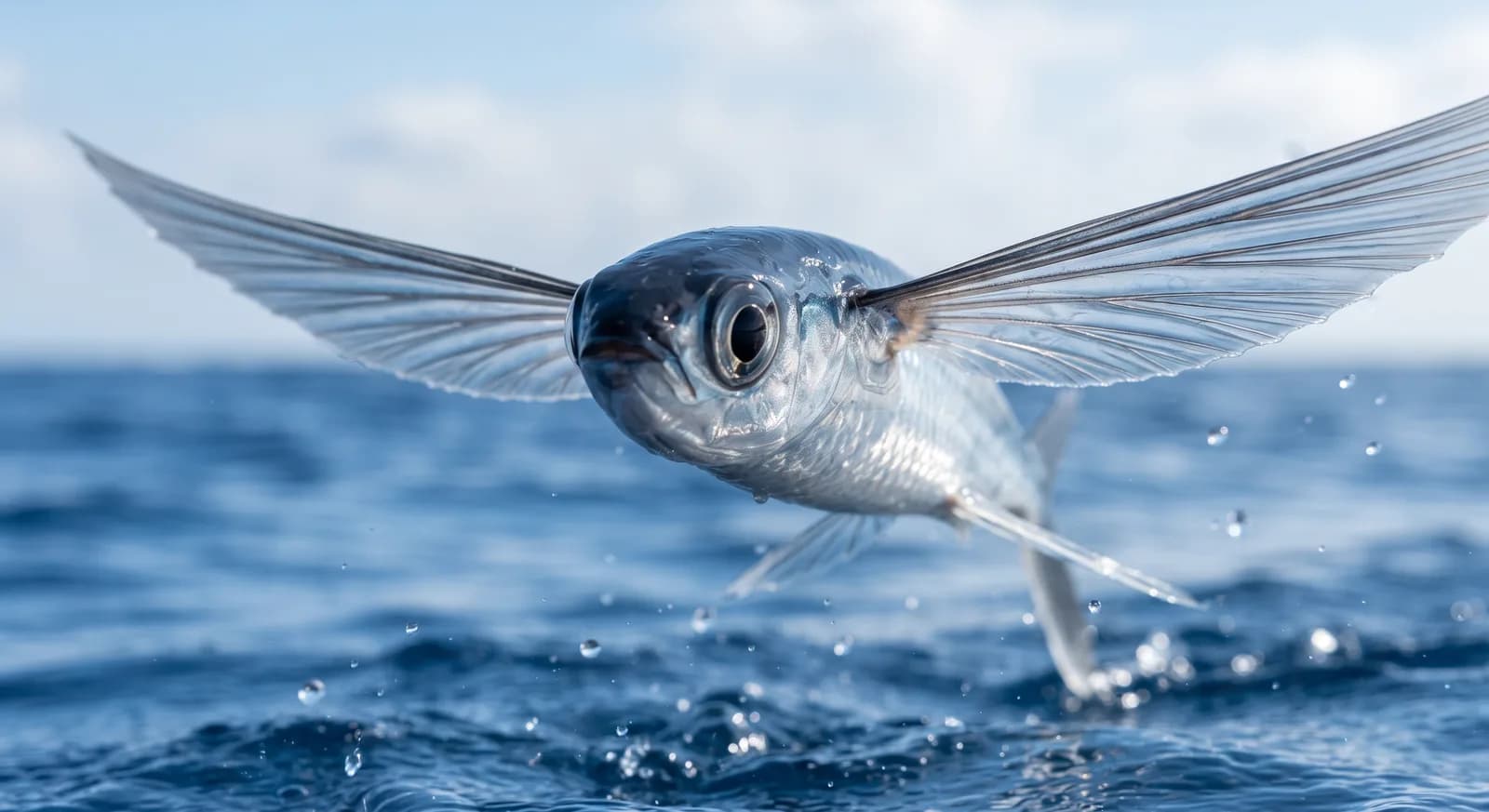
Tropical Two-wing Flyingfish

Exocoetus volitans

CountriesUnited States
TagsCarnivore
Carnivore
Colonial
Fish
Ocean

North America32

South America8

United States
Mexico
Cayman Islands
Belize
Brazil
Bahamas
Anguilla
Antigua and Barbuda
Aruba
Bahamas
Barbados
Belize
Bermuda
British Virgin Islands
Cayman Islands
Costa Rica
Cuba
Curaçao
Dominica
Dominican Republic
Grenada
Guadeloupe
Guatemala
Haiti
Honduras
Jamaica
Martinique
Mexico
Nicaragua
Panama
Puerto Rico
Saint Kitts and Nevis
Saint Lucia
Saint Vincent and Grenadines
Trinidad and Tobago
Turks and Caicos Islands
U.S. Virgin Islands
United States
Argentina
Brazil
Colombia
French Guiana
Guyana
Suriname
Uruguay
Venezuela