Skip to content
WAnimals
  • Map
  • Species
  • Parks
  • Diving
Log inCreate account
WAnimals

The guide for travellers and animal lovers: discover, plan and share your wild adventures around the world.

Discover wildlife

  • Species
  • Ecosystems
  • Glossary
  • Tags

Explore places

  • Map
  • Countries
  • Parks
  • Diving

Plan experiences

  • Guides

Learn

  • Blog

Resources

  • Help centre
  • Contact
  • Install the app

Follow us

Account

  • Log in
  • Create account

© 2026 WAnimals. All rights reserved.

About usHow we build our profilesTerms of servicePrivacyLegal notice
MapSpeciesParksDiving
  1. Home
  2. Species
  3. Northern Leopard Frog

One of the 47 frogs on WAnimals

Amphibians · Anura · Ranidae

Northern Leopard Frog

Lithobates pipiens

Least Concern

The species is abundant and widely distributed; it faces no significant short-term risk.

Spotted something wrong?

The northern leopard frog is green with large, pale-edged dark blotches, and was for decades the laboratory and dissection amphibian par excellence in North America. Its decline from the 1970s onwards, with mass deformities in several populations, was one of the first warning signs of the global amphibian crisis.

Weight

29 g on average

Size

5 cm – 11 cm

Life expectancy

9 years

Diet

Carnivore

Feeds mainly on other animals.

Activity

Nocturnal

Active mainly at night.

Social structure

Solitary

Lives and hunts alone, joining others only to breed.

Sighting difficulty

Easy

FreshwaterGrassland
3countries40parks11same family

Fun facts

  • It was for decades the standard dissection amphibian in North American biology classes, and millions of animals were taken from the wild for that use before the practice declined.
  • In the 1990s populations appeared with mass deformities, frogs with extra or malformed legs, and subsequent research pointed to a trematode parasite favoured by agricultural eutrophication.
  • Its decline was one of the first warning signs of the global amphibian crisis: an extremely abundant species that began to disappear from wide areas for no apparent reason.

Life cycle and biology

Skeleton type
Vertebrate - internal bony skeleton (amphibian)
Habitat and environment
Damp meadows, ponds, marshes and riverbanks of northern North America
Sexual maturity
2 years
Gestation / incubation
Larval development in pools and lagoons
Litter / clutch size
4146

Sources consulted: https://es.wikipedia.org/wiki/Lithobates_pipiens

Where to find it

Loading map…

The pins mark the parks where its presence is documented.

Where to see it

Parks and dive sites where this species has been documented — showing 10 of 40.

Related species

Other species in the catalogue with the most in common with Northern Leopard Frog — same habitat, park, country, tags or family.

Same taxonomic family
Shares a park
Shares a park
Shares a park

Keep exploring

Based on what we already know about northern leopard frog.

Comments

Share an experience, a fun fact or a tip for seeing the northern leopard frog.

Be the first to comment.

See full glossary
This page in other languages: Español · Deutsch · Français · Português · Italiano
See its range on the interactive map→
Great Smoky MountainsUnited States
AcadiaUnited States
Mammoth CaveUnited States
Gros MorneCanada
FundyCanada
Wood BuffaloCanada
Point PeleeCanada
VoyageursUnited States
Isle RoyaleUnited States
CongareeUnited States
See all 40 parks
Least Concern

Green Frog

Rana clamitans

Least Concern

American Bullfrog

Lithobates catesbeianus

Least Concern

Wood Frog

Lithobates sylvaticus

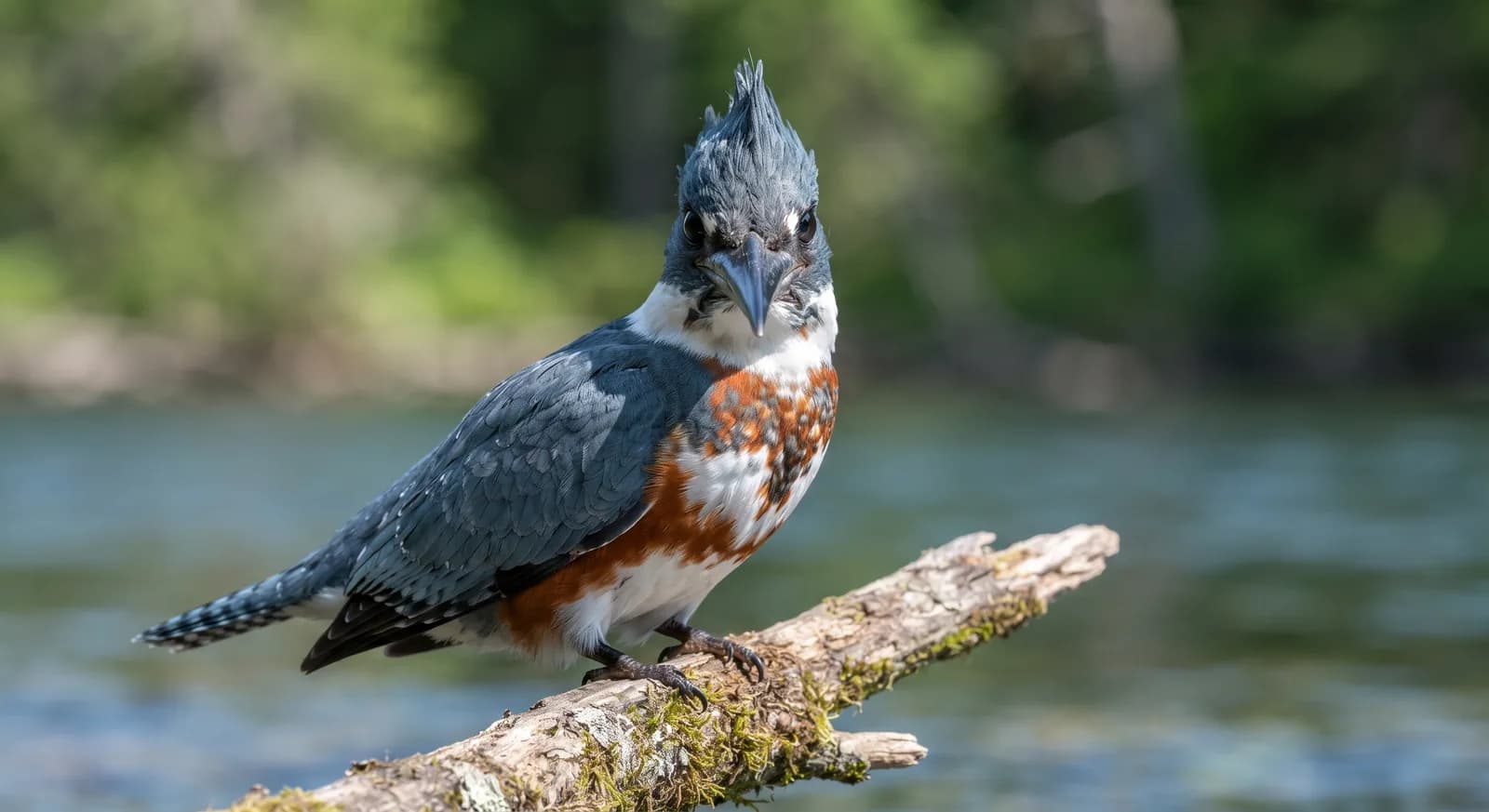
Belted KingfisherLeast Concern

Belted Kingfisher

Megaceryle alcyon

Least Concern

Spiny Softshell Turtle

Apalone spinifera

Least Concern

Eastern Coral Snake

Micrurus fulvius

CountriesCanada
ParksGreat Smoky MountainsUnited States
TagsCarnivore
Carnivore
Diurnal
Nocturnal
Solitary
Amphibian
Freshwater
Grassland
Canada
United States
Mexico