Skip to content
WAnimals
  • Map
  • Species
  • Parks
  • Diving
Log inCreate account
WAnimals

The guide for travellers and animal lovers: discover, plan and share your wild adventures around the world.

Discover wildlife

  • Species
  • Ecosystems
  • Glossary
  • Tags

Explore places

  • Map
  • Countries
  • Parks
  • Diving

Plan experiences

  • Guides

Learn

  • Blog

Resources

  • About us
  • How we build our profiles
  • Help centre
  • Contact
  • Install the app

Follow us

Account

  • Log in
  • Create account

© 2026 WAnimals. All rights reserved.

Terms of servicePrivacyCookiesLegal notice
MapSpeciesParksDiving
  1. Home
  2. Species
  3. Eastern Coral Snake

One of the 26 snakes on WAnimals

Reptiles · Squamata · Elapidae

Eastern Coral Snake

Micrurus fulvius

Least Concern

The species is abundant and widely distributed; it faces no significant short-term risk.

Spotted something wrong?

The eastern coral snake is the only dangerous elapid in the eastern United States, ringed in red, yellow and black. It spends most of its time buried in the leaf litter and is responsible for very few bites. Its pattern has given rise to one of the most frequently cited examples of mimicry in biology and to a famous rhyme.

Weight

682 g on average

Size

60 cm – 1.2 m

Life expectancy

12 years

Diet

Carnivore

Feeds mainly on other animals.

Activity

Diurnal

Active mainly during the day.

Social structure

Solitary

Lives and hunts alone, joining others only to breed.

Temperate forestGrassland
2countries3parks17same family

Fun facts

  • Its pattern is copied by several harmless snakes, and in North America people are taught the rhyme "red touches yellow, kills a fellow; red touches black, friend of Jack", according to whether or not the red and yellow rings touch: it works in the United States but fails in the American tropics, where there are dozens of different patterns.
  • Its fangs are short and fixed, and it needs to chew in order to inject its venom, so many defensive bites are dry or deliver very little.
  • It spends most of its life buried in the leaf litter and under logs, and comes to the surface only after rain or in the cool hours of dawn.

Life cycle and biology

Skeleton type
Vertebrate - internal bony skeleton (reptile)
Habitat and environment
Sandy pine woods, scrub, leaf litter and woodland edges of the south-eastern United States
Sexual maturity
2 years
Gestation / incubation
70 days of incubation
Litter / clutch size
7 eggs

Sources consulted: IUCN Red List · Animal Diversity Web · Wikipedia (es)

Where to find it

Loading map…

The pins mark the parks where its presence is documented.

Where to see it

Parks and dive sites where this species has been documented.

Related species

Other species in the catalogue with the most in common with Eastern Coral Snake — same habitat, park, country, tags or family.

Shares a park
Shares a park
Shares a park
Shares a park
Shares a park
Shares a park

Keep exploring

Based on what we already know about eastern coral snake.

Share an experience, a fun fact or a tip for seeing the eastern coral snake.
See full glossary
This page in other languages: Español · Deutsch · Français · Português · Italiano
See its range on the interactive map→
EvergladesUnited States
CongareeUnited States
BiscayneUnited States
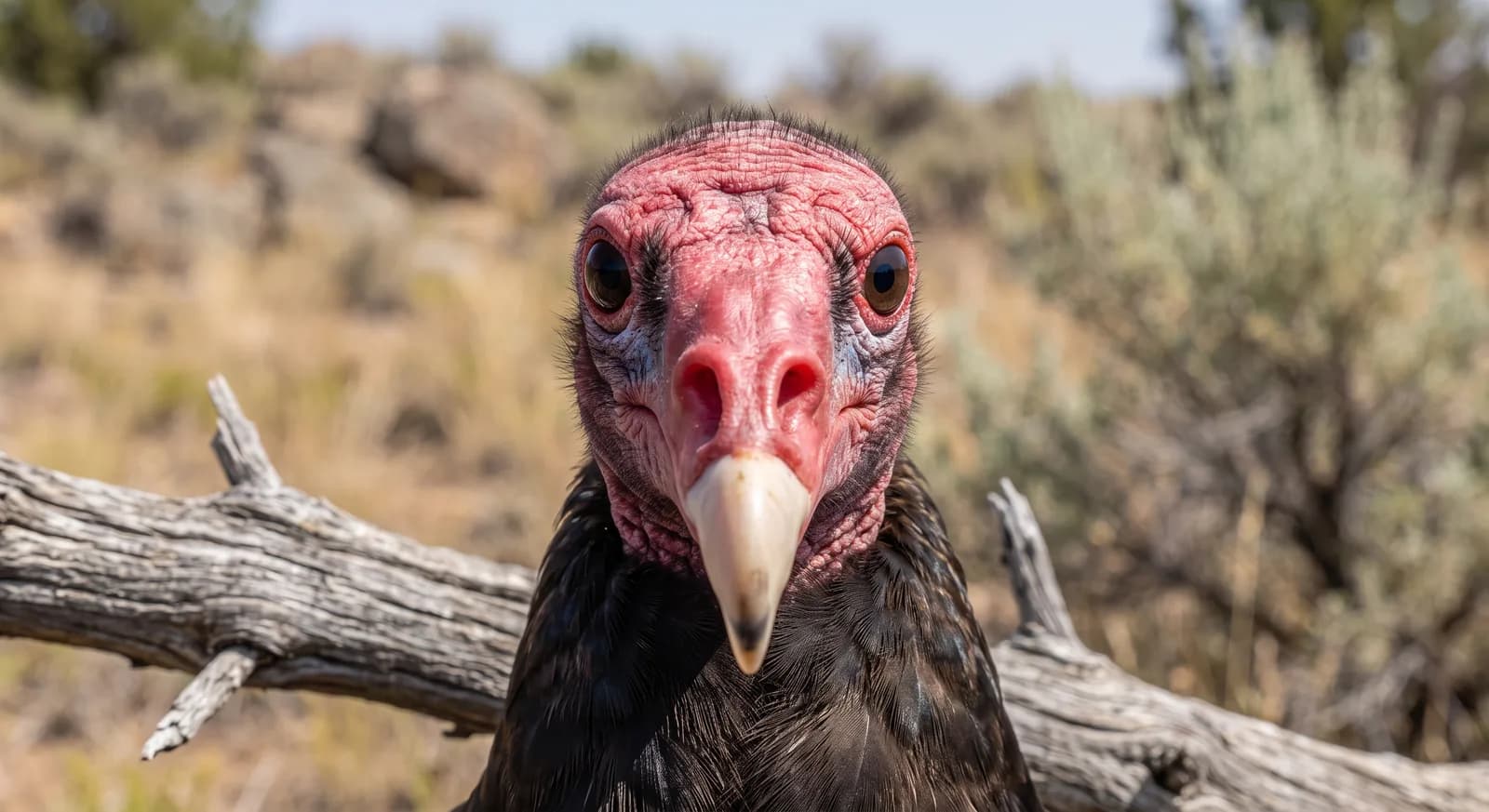
Turkey VultureLeast Concern

Turkey Vulture

Cathartes aura

Least Concern

Red Cornsnake

Pantherophis guttatus

Least Concern

Common Kingsnake

Lampropeltis getula

Least Concern

Common Garter Snake

Thamnophis sirtalis

Least Concern

Common House Gecko

Hemidactylus frenatus

Least Concern

Eastern Fence Lizard

Sceloporus undulatus

CountriesUnited States
ParksEvergladesUnited States
TagsCarnivore
Carnivore
Diurnal
Solitary
Reptile
Temperate forest
Grassland
United States
Mexico