Skip to content
WAnimals
  • Map
  • Species
  • Parks
  • Diving
Log inCreate account
WAnimals

The guide for travellers and animal lovers: discover, plan and share your wild adventures around the world.

Discover wildlife

  • Species
  • Ecosystems
  • Glossary
  • Tags

Explore places

  • Map
  • Countries
  • Parks
  • Diving

Plan experiences

  • Guides

Learn

  • Blog

Resources

  • About us
  • How we build our profiles
  • Help centre
  • Contact
  • Install the app

Follow us

Account

  • Log in
  • Create account

© 2026 WAnimals. All rights reserved.

Terms of servicePrivacyCookiesLegal notice
MapSpeciesParksDiving
  1. Home
  2. Species
  3. Pallipes Windscorpion

Arachnids · Solifugae · Eremobatidae

Pallipes Windscorpion

Eremobates pallipes

Not Evaluated

It has not yet been assessed against the IUCN criteria.

Spotted something wrong?

A North American solifuge, a straw-coloured arachnid with disproportionately large chelicerae that take up almost a third of its body. It is neither a spider nor a scorpion: it produces no silk and has no venom. It hunts insects and other arthropods at a run by night and grinds them up with its jaws.

Size

2 cm – 5 cm

Diet

Carnivore

Feeds mainly on other animals.

Activity

Nocturnal

Active mainly at night.

Social structure

Solitary

Lives and hunts alone, joining others only to breed.

Desert
2countries17parks

Fun facts

  • Its chelicerae are, proportionally, among the most powerful mouthparts in the animal kingdom, and work as two independent vertical shears.
  • It has no venom glands whatsoever, despite the reputation for lethality that trails the group.
  • Its first pair of legs does not walk: it uses them as sense organs, feeling the ground like a pair of antennae.
  • It is neither a spider nor a scorpion: the solifuges are an order of arachnids in their own right, with no venom and no silk, and among the least studied in existence.
  • It has the largest jaws relative to body size of any arachnid: enormous chelicerae shaped like double pincers that take up nearly a third of its length, with which it literally grinds up its prey.
  • It has no venom glands. It kills by sheer mechanical force.
  • It walks on six legs: it holds up its first pair of legs, used as sensory organs, and its pedipalps, which end in adhesive organs with which it snatches prey in mid-air.
  • It is extremely fast, and its reputation for chasing people is a misunderstanding: it is actually seeking shade, and since the nearest shade is usually the observer's shadow, it looks as if it is giving chase.
  • Its popular English names, camel spider and wind scorpion, describe neither of those things.

Life cycle and biology

Skeleton type
Invertebrate - chitin exoskeleton (arachnid)
Habitat and environment
Arid and semi-arid ground of western North America

Sources consulted: Punzo, The Biology of Camel-Spiders · Universidad de Florida, Featured Creatures · Bird et al., revisiones de Solifugae

Where to find it

Loading map…

The pins mark the parks where its presence is documented.

Where to see it

Parks and dive sites where this species has been documented — showing 10 of 17.

Related species

Other species in the catalogue with the most in common with Pallipes Windscorpion — same habitat, park, country, tags or family.

Shares a park
Shares a park
Shares a park
Shares a park
Shares a park
Shares a park

Keep exploring

Based on what we already know about pallipes windscorpion.
Share an experience, a fun fact or a tip for seeing the pallipes windscorpion.
See full glossary
This page in other languages: Español · Deutsch · Français · Português · Italiano
See its range on the interactive map→
Grand CanyonUnited States
Death ValleyUnited States
ZionUnited States
Big BendUnited States
Capitol ReefUnited States
CanyonlandsUnited States
ArchesUnited States
Bryce CanyonUnited States
Joshua TreeUnited States
PinnaclesUnited States
See all 17 parks
Least Concern

Great Horned Owl

Bubo virginianus

Least Concern

Western Diamond-backed Rattlesnake

Crotalus atrox

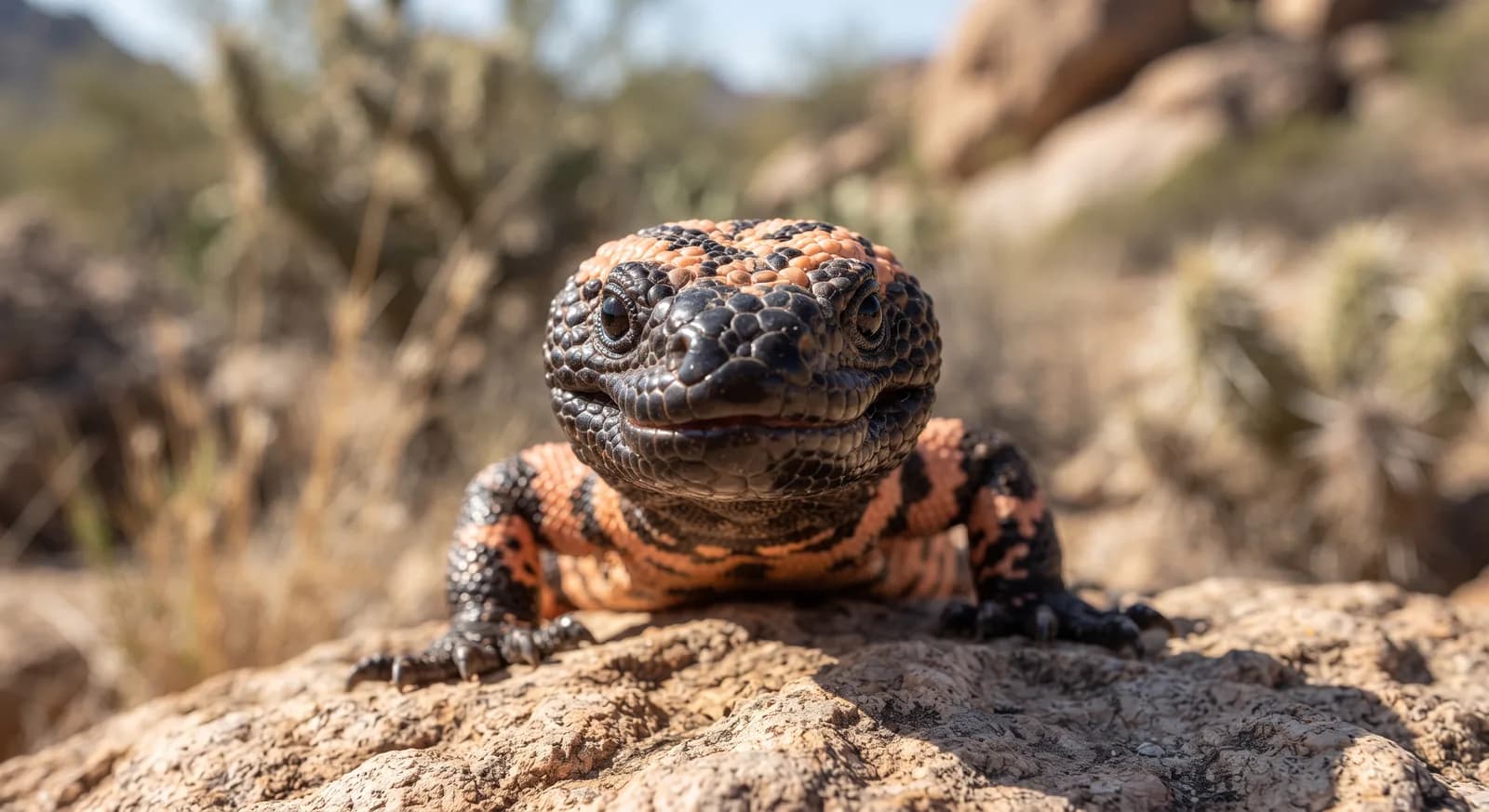
Gila MonsterNear Threatened

Gila Monster

Heloderma suspectum

Least Concern

Sonoran Desert Toad

Incilius alvarius

Not Evaluated

Bark Scorpion

Centruroides sculpturatus

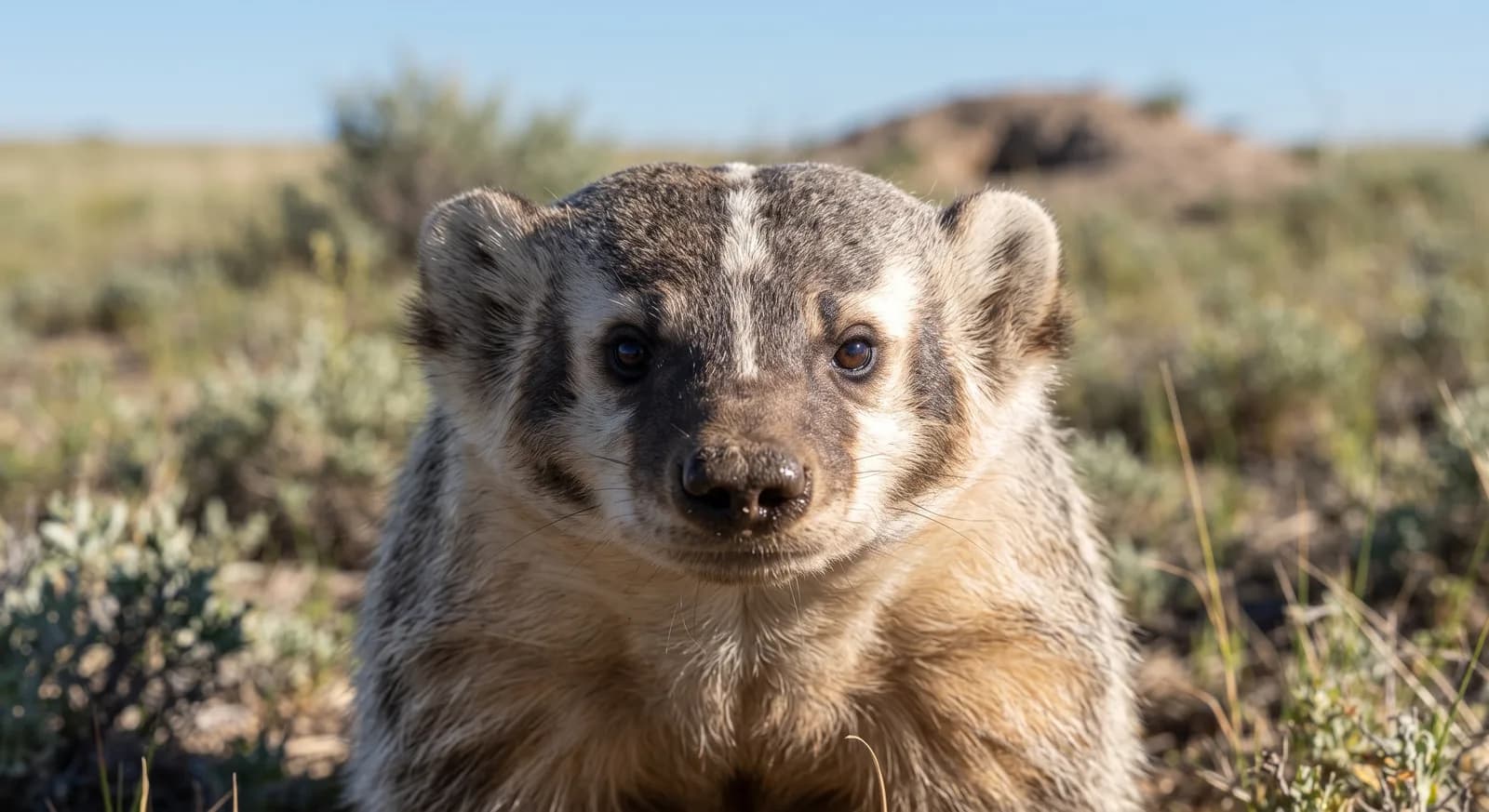
American BadgerLeast Concern

American Badger

Taxidea taxus

CountriesUnited States
ParksGrand CanyonUnited States
TagsCarnivore
Carnivore
Nocturnal
Solitary
Desert
Arachnid
United States
Mexico