Skip to content
WAnimals
  • Map
  • Species
  • Parks
  • Diving
Log inCreate account
WAnimals

The guide for travellers and animal lovers: discover, plan and share your wild adventures around the world.

Discover wildlife

  • Species
  • Ecosystems
  • Glossary
  • Tags

Explore places

  • Map
  • Countries
  • Parks
  • Diving

Plan experiences

  • Guides

Learn

  • Blog

Resources

  • About us
  • How we build our profiles
  • Help centre
  • Contact
  • Install the app

Follow us

Account

  • Log in
  • Create account

© 2026 WAnimals. All rights reserved.

Terms of servicePrivacyCookiesLegal notice
MapSpeciesParksDiving
  1. Home
  2. Species
  3. Peruvian Yellow-tailed Woolly Monkey

One of the 18 monkeys on WAnimals

Mammals · Primates · Atelidae

Peruvian Yellow-tailed Woolly Monkey

Lagothrix flavicauda

Critically Endangered

At extremely high risk of imminent extinction in the wild.

Spotted something wrong?

The Peruvian yellow-tailed woolly monkey is one of the most threatened primates in the world and a strict Peruvian endemic: it lives only in the cloud forests of San Martín and Amazonas, on the eastern slope of the Andes. It is a large, robust monkey with a dense chestnut coat adapted to the cold and damp of the mountains, and a yellow tuft on the underside of its prehensile tail. It feeds on fruit, leaves and flowers. Agricultural settlement of its valleys has drastically reduced its habitat.

Weight

7 kg – 10 kg

Size

50 cm – 60 cm

Life expectancy

25 years

Diet

Omnivore

Combines animal and plant food depending on availability.

Activity

Diurnal

Active mainly during the day.

RainforestMountain
1countries4parks8same family

Fun facts

  • It was lost to science for more than a century: Alexander von Humboldt mentioned it in 1802, it was described in 1812, and it was not seen alive again until 1974.
  • It is one of the few primates adapted to live permanently in montane cloud forest, where the nights are cold and the mist is almost constant.

Life cycle and biology

Skeleton type
Vertebrate - internal bony skeleton (mammal)
Habitat and environment
Cloud forest of the northern Peruvian Andes, between 1,500 and 2,700 metres
Gestation / incubation
7.5 months
Litter / clutch size
1

Sources consulted: Wikipedia (es): Oreonax flavicauda

Where to find it

Loading map…

The pins mark the parks where its presence is documented.

Where to see it

Parks and dive sites where this species has been documented.

Related species

Other species in the catalogue with the most in common with Peruvian Yellow-tailed Woolly Monkey — same habitat, park, country, tags or family.

Same taxonomic family
Shares a park
Shares a park

How to help

The peruvian yellow-tailed woolly monkey is classified as critically endangered. Organisations such as the IUCN, WWF and the Wildlife Conservation Society work specifically on its conservation and that of its habitat; looking into their programmes is a good starting point if you want to get involved.

It's documented in 3 protected areas — one reason why protecting these places matters for its conservation.

Keep exploring

Based on what we already know about peruvian yellow-tailed woolly monkey.
Share an experience, a fun fact or a tip for seeing the peruvian yellow-tailed woolly monkey.
See full glossary
This page in other languages: Español · Deutsch · Français · Português · Italiano
See its range on the interactive map→
Cordillera AzulPeru
Yanachaga-ChemillenPeru
Río AbiseoPeru
Tingo MaríaPeru
Endangered

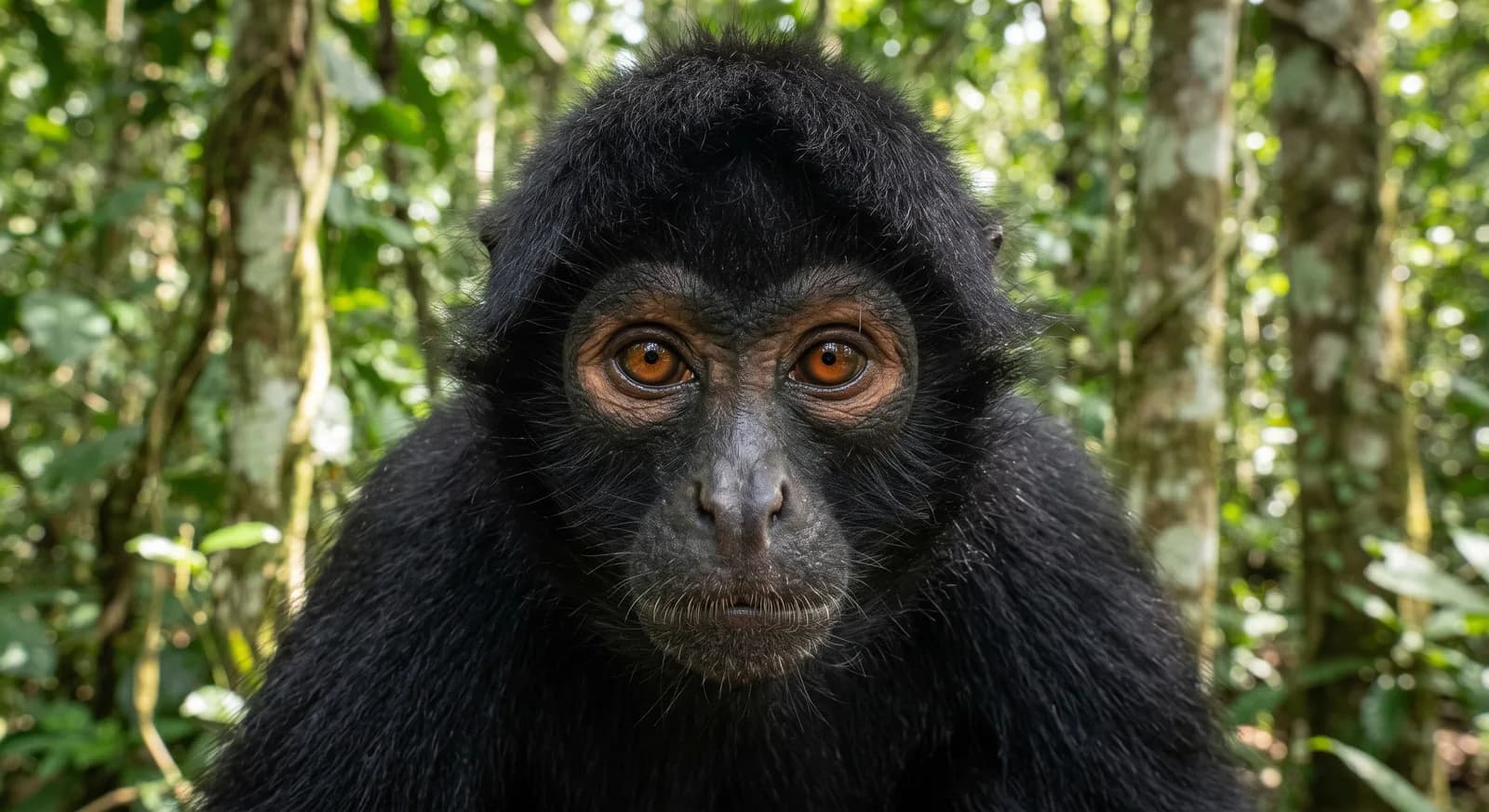
Black Spider Monkey

Ateles chamek

Endangered

Common Woolly Monkey

Lagothrix lagothricha

Red-faced Black Spider MonkeyVulnerable

Red-faced Black Spider Monkey

Ateles paniscus

Colombian Red Howler MonkeyLeast Concern

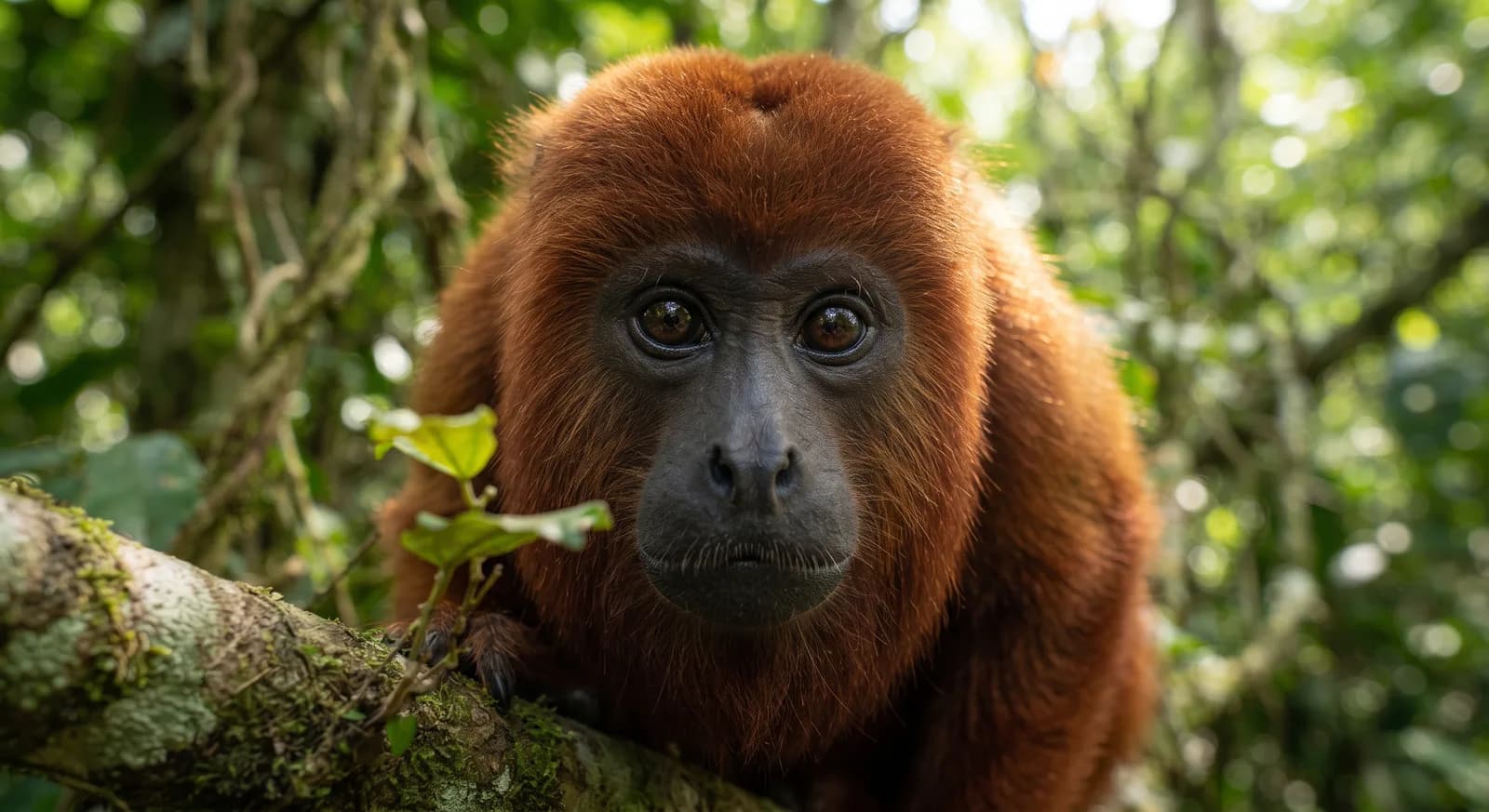
Colombian Red Howler Monkey

Alouatta seniculus

Least Concern

Hoffmann's Two-toed Sloth

Choloepus hoffmanni

Least Concern

Southern Mountain Viscacha

Lagidium viscacia

CountriesPeru
ParksCordillera AzulPeru
TagsHerbivore
Herbivore
Omnivore
Diurnal
Critically Endangered
Rainforest
Mountain
Mammal
Peru