Skip to content
WAnimals
  • Map
  • Species
  • Parks
  • Diving
Log inCreate account
WAnimals

The guide for travellers and animal lovers: discover, plan and share your wild adventures around the world.

Discover wildlife

  • Species
  • Ecosystems
  • Glossary
  • Tags

Explore places

  • Map
  • Countries
  • Parks
  • Diving

Plan experiences

  • Guides

Learn

  • Blog

Resources

  • Help centre
  • Contact
  • Install the app

Follow us

Account

  • Log in
  • Create account

© 2026 WAnimals. All rights reserved.

About usHow we build our profilesTerms of servicePrivacyLegal notice
MapSpeciesParksDiving
  1. Home
  2. Species
  3. Red Abalone

Gastropods · Vetigastropoda · Haliotidae

Red Abalone

Haliotis rufescens

Critically Endangered

At extremely high risk of imminent extinction in the wild.

Spotted something wrong?

Haliotis rufescens is a large marine snail of the family Haliotidae, which comprises the animals known as abalones, ormer shells or pāua in Māori.

Size

up to 31 cm

Life expectancy

20 years

Diet

Herbivore

Feeds mainly on plants.

Social structure

Solitary

Lives and hunts alone, joining others only to breed.

Sighting difficulty

Very hard

Ocean
2countries4parks6dive sites

Fun facts

  • It is the largest abalone in the world: its shell reaches 31 cm.
  • People have used it for millennia. At sites on California's Channel Islands, shells have been dated to between 11,500 and 12,000 years old, and they are abundant in Chumash shell middens from 7,500 to 3,300 years ago.
  • The Californian commercial fishery peaked in the 1950s and 1960s and closed in 1997; the recreational one held on until 2017 or 2018.
  • Its closure was not down to overfishing alone: a marine heatwave set off a chain reaction — the disappearance of the sea stars, an explosion of purple urchins, the collapse of the kelp forest — that left the abalone without food.
  • It is also affected by withering syndrome, caused by a rickettsia-like bacterium that attacks the digestive system and makes the foot waste away until the animal can no longer grip the rock.
  • The export of infected red abalone from California has carried that disease to Iceland, Ireland, Chile, China, Israel and Japan.

Life cycle and biology

Skeleton type
Invertebrate - external calcareous shell (mollusc)
Habitat and environment
Kelp-forest rock in the low intertidal and subtidal of California and Baja California, down to about 180 m; it clamps onto the rock with its foot and feeds on the drifting kelp it catches

Sources consulted: https://es.wikipedia.org/wiki/Haliotis_rufescens; anatomia de Gastropoda

Where to find it

Loading map…

The pins mark the parks and dive sites where its presence is documented.

Where to see it

Parks and dive sites where this species has been documented.

Related species

Other species in the catalogue with the most in common with Red Abalone — same habitat, park, country, tags or family.

Shares a park
Shares a park
Shares a park
Shares a park
Shares a park
Shares a park

How to help

The red abalone is classified as critically endangered. Organisations such as the IUCN, WWF and the Wildlife Conservation Society work specifically on its conservation and that of its habitat; looking into their programmes is a good starting point if you want to get involved.

It's documented in 4 protected areas — one reason why protecting these places matters for its conservation.

Keep exploring

Based on what we already know about red abalone.

Comments

Share an experience, a fun fact or a tip for seeing the red abalone.

Be the first to comment.
See full glossary
This page in other languages: Español · Deutsch · Français · Português · Italiano
See its range on the interactive map→
RedwoodUnited States
OlympicUnited States
Channel IslandsUnited States
Point ReyesUnited States
Channel Islands National ParkUnited States
La Jolla CoveUnited States
Monterey Bay (Point Lobos)United States
Catalina Island (Casino Point)United States
Farnsworth Bank (Catalina)United States
Coronado IslandsMexico
Not Evaluated

California Seahare

Aplysia californica

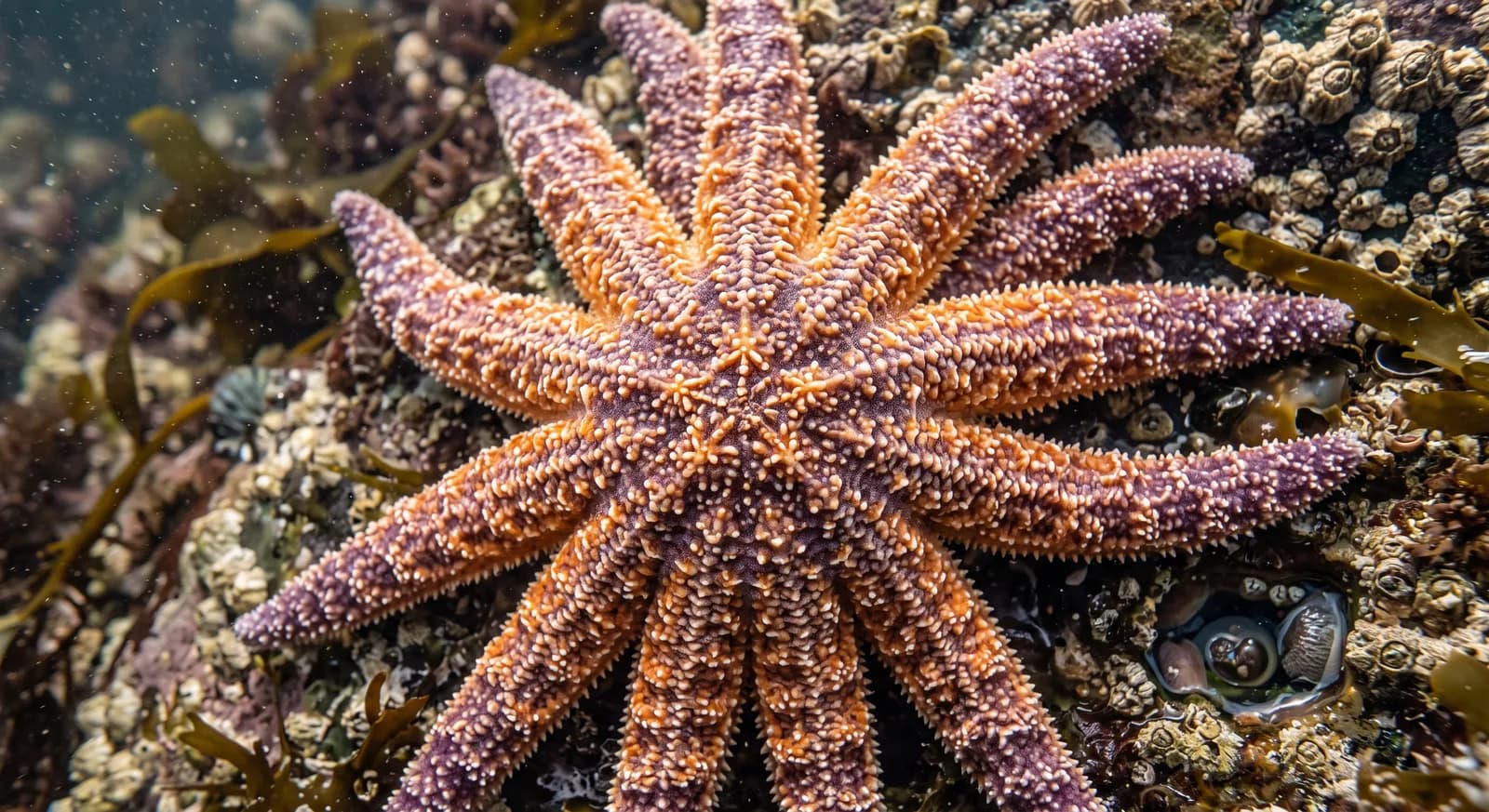
Sunflower Sea StarCritically Endangered

Sunflower Sea Star

Pycnopodia helianthoides

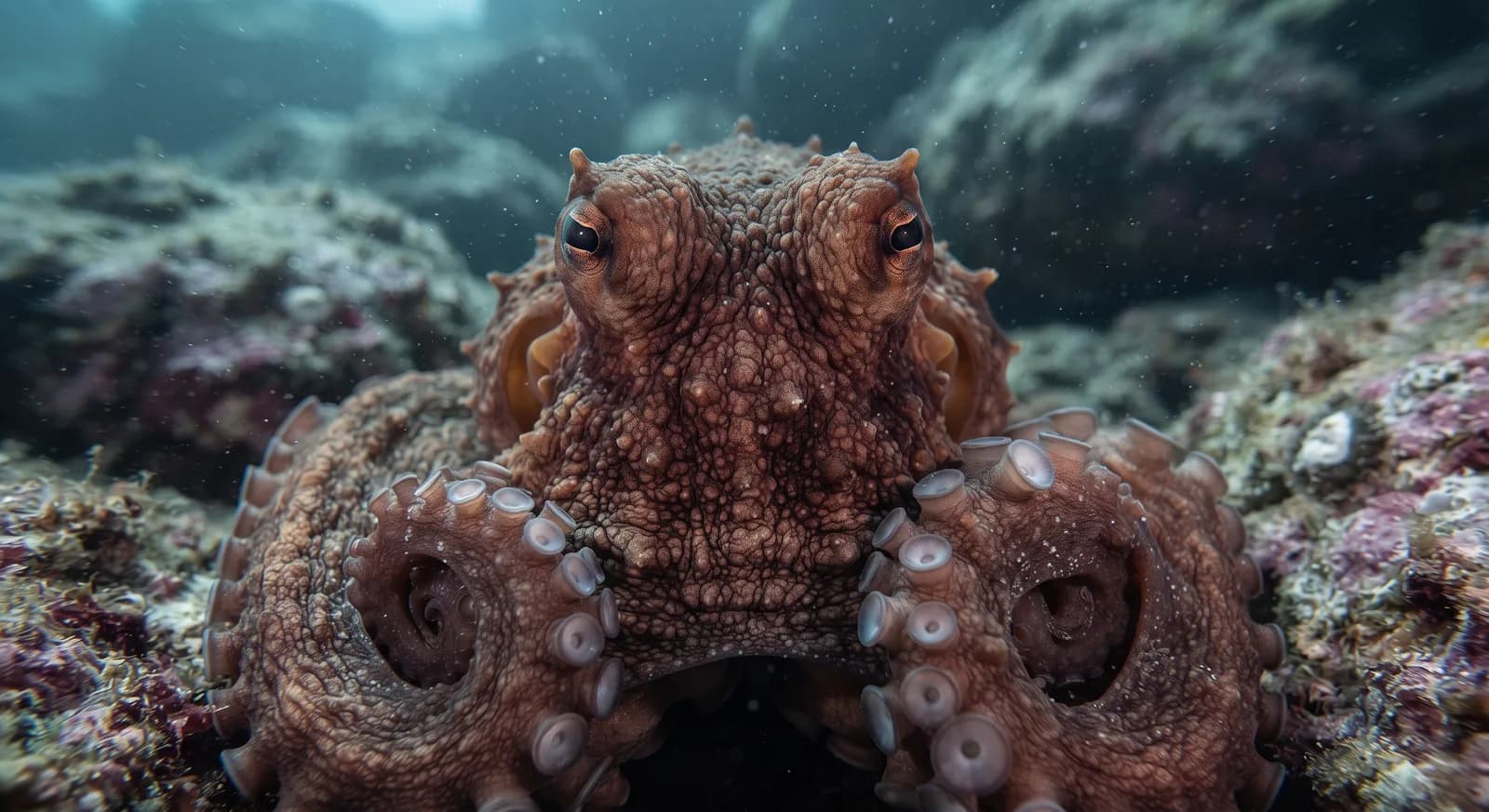
Giant Pacific OctopusLeast Concern

Giant Pacific Octopus

Enteroctopus dofleini

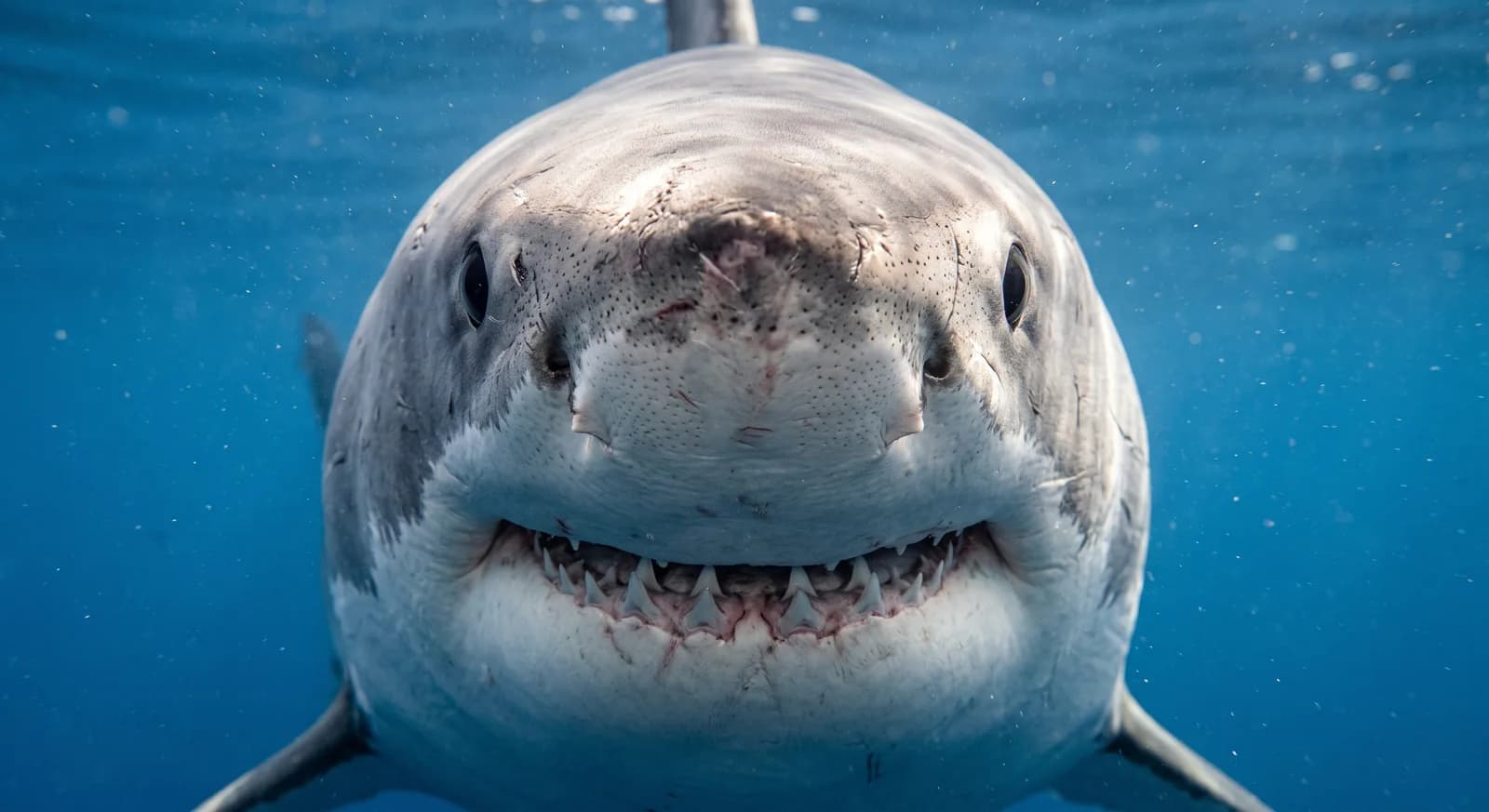
Great White SharkVulnerable

Great White Shark

Carcharodon carcharias

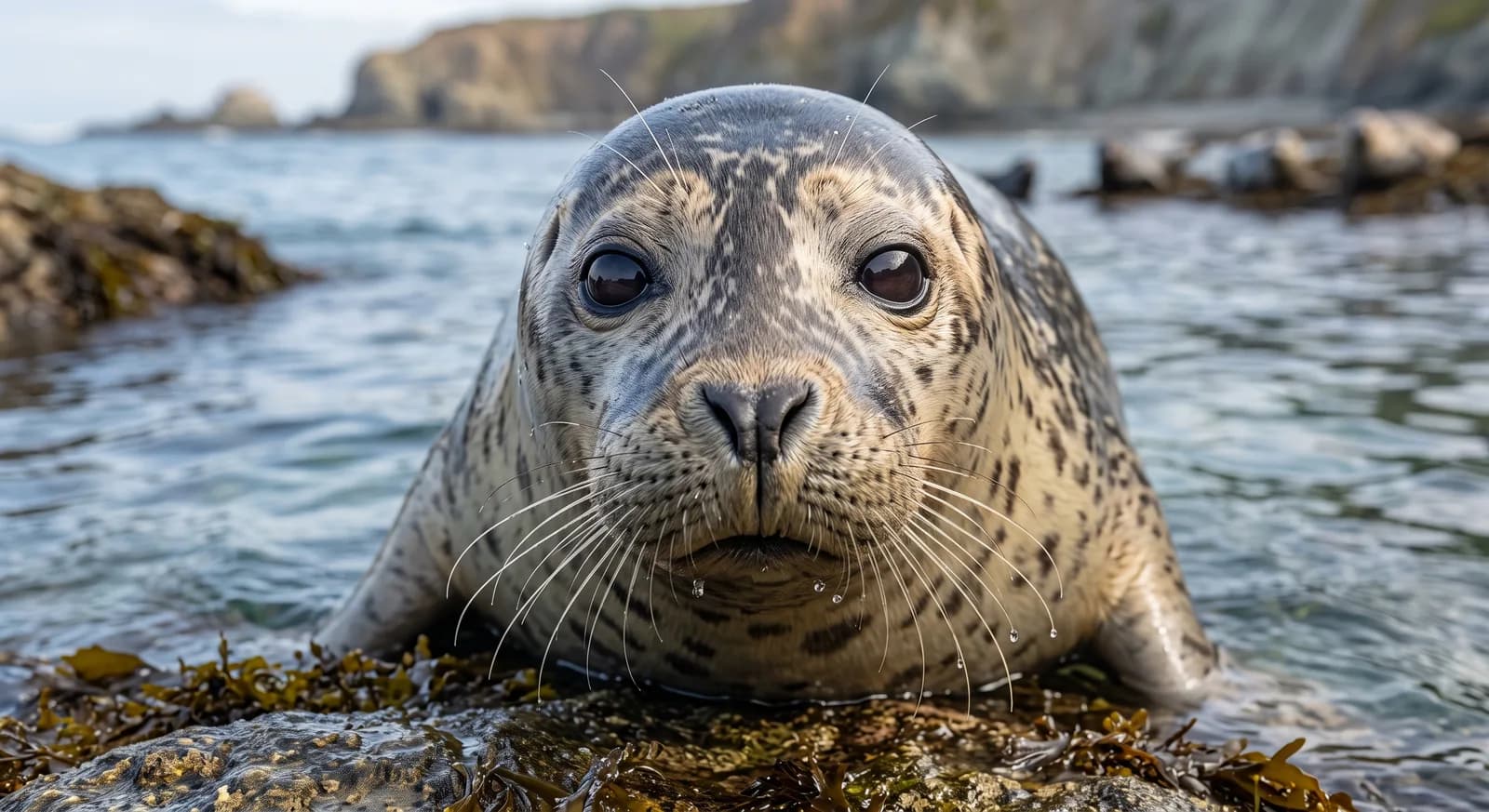
Harbor SealLeast Concern

Harbor Seal

Phoca vitulina

Blue WhaleEndangered

Blue Whale

Balaenoptera musculus

CountriesUnited States
ParksRedwoodUnited States
TagsHerbivore
Herbivore
Solitary
Critically Endangered
Ocean
Mollusc
United States
Mexico