Skip to content
WAnimals
  • Map
  • Species
  • Parks
  • Diving
Log inCreate account
WAnimals

The guide for travellers and animal lovers: discover, plan and share your wild adventures around the world.

Discover wildlife

  • Species
  • Ecosystems
  • Glossary
  • Tags

Explore places

  • Map
  • Countries
  • Parks
  • Diving

Plan experiences

  • Guides

Learn

  • Blog

Resources

  • About us
  • How we build our profiles
  • Help centre
  • Contact
  • Install the app

Follow us

Account

  • Log in
  • Create account

© 2026 WAnimals. All rights reserved.

Terms of servicePrivacyCookiesLegal notice
MapSpeciesParksDiving
  1. Home
  2. Species
  3. Small Copper

Insects · Lepidoptera · Lycaenidae

Small Copper

Lycaena phlaeas

Not Evaluated

It has not yet been assessed against the IUCN criteria.

Spotted something wrong?

The small copper is a day-flying butterfly of the genus Lycaena and the family Lycaenidae.

Size

2.2 cm – 3.2 cm

Life expectancy

1 year

Diet

Herbivore

Feeds mainly on plants.

Activity

Diurnal

Active mainly during the day.

Social structure

Solitary

Lives and hunts alone, joining others only to breed.

Grassland
3countries

Fun facts

  • The males are fiercely territorial: they perch on a high point and shoot out at any passing insect, including butterflies far larger than themselves.
  • It has one of the widest distributions of any butterfly in the world: it occupies Europe, Asia, North Africa and much of North America.
  • Summer generations tend to be darker than spring ones, a change linked to the temperature during the development of the chrysalis.
  • It is tiny but striking: the forewings are a bright coppery orange with black spots, and the male aggressively defends a small sunny territory from which he flies out to intercept everything that passes, including butterflies far larger than himself.
  • It has several generations a year, and the late-summer ones tend to be darker: the temperature during the development of the chrysalis determines the intensity of the black.
  • It is one of the most widely distributed butterflies in the world, present on three continents.
  • The caterpillar is green and slug-like, with a retractable head, an appearance very different from that of a typical caterpillar and one common throughout the lycaenid family.

Life cycle and biology

Skeleton type
Invertebrate - chitin exoskeleton (insect)
Habitat and environment
Dry meadows, wasteland, verges and disturbed ground
Size at birth
Caterpillar of 1.5 mm on hatching, reaching 15 mm; the chrysalis measures about 10 mm
Sexual maturity
Two to three generations a year in Europe, a single one in northern Scandinavia and five or more in the Canary Islands and North Africa
Gestation / incubation
The pupa lasts 3 to 4 weeks; the caterpillars of the last generation spend more than 6 months of winter fastened to the food plant by a silk pad
Litter / clutch size
The eggs are laid one by one on the leaves of sorrel (Rumex acetosa and R. acetosella), preferably on plants in full sun

Sources consulted: Wikipedia (en): Lycaena phlaeas · UK Butterflies, ficha Small Copper · First Nature · Wildlife Insight, ficha Small Copper · UK Butterflies · Learn Butterflies · Mass Audubon, atlas de mariposas, ficha American Copper · Learn Butterflies, ficha Small Copper

Where to find it

Best time: Spring to autumn, with several generations a year

Loading map…

Related species

Other species in the catalogue with the most in common with Small Copper — same habitat, park, country, tags or family.

Related to
Related to
Related to
Related to
Related to
Related to

Keep exploring

Based on what we already know about small copper.
Share an experience, a fun fact or a tip for seeing the small copper.
See full glossary
This page in other languages: Español · Deutsch · Français · Português · Italiano
See its range on the interactive map→
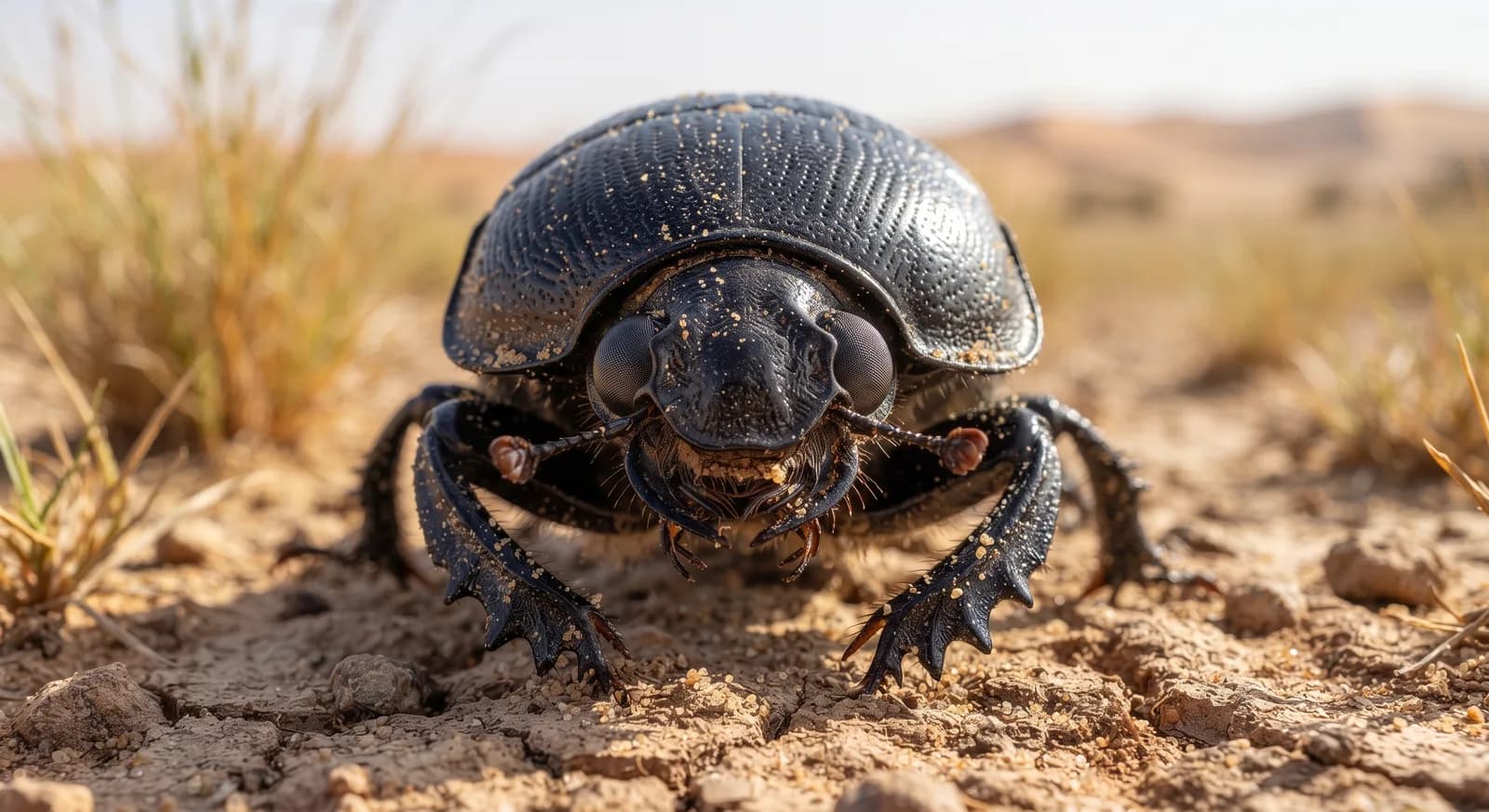
Sacred ScarabNot Evaluated

Sacred Scarab

Scarabaeus sacer

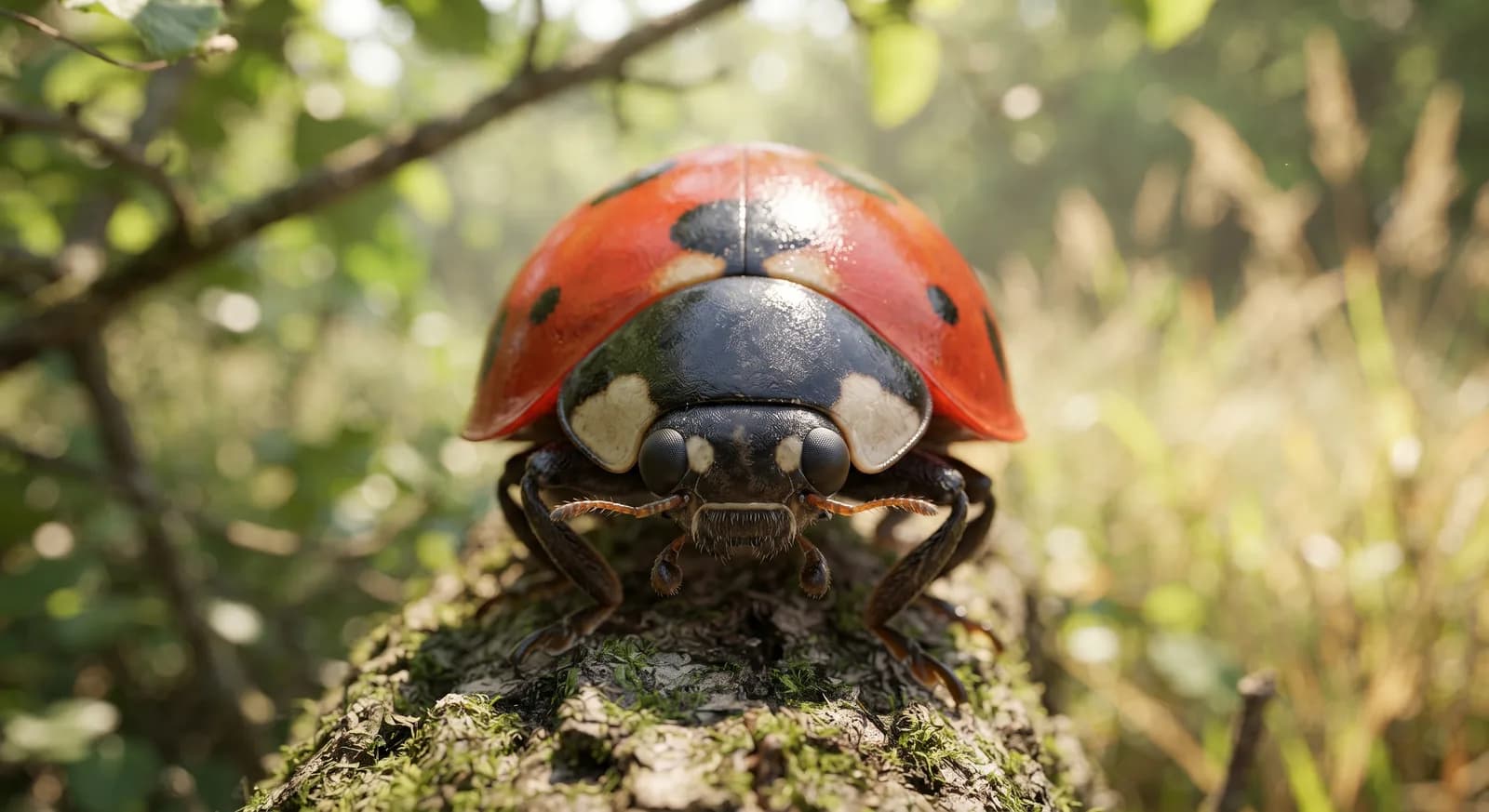
Seven-spotted Lady BeetleNot Evaluated

Seven-spotted Lady Beetle

Coccinella septempunctata

MonarchNot Evaluated

Monarch

Danaus plexippus

Red AdmiralLeast Concern

Red Admiral

Vanessa atalanta

PeacockLeast Concern

Peacock

Aglais io

SwallowtailLeast Concern

Swallowtail

Papilio machaon

CountriesGermany
TagsHerbivore
Herbivore
Diurnal
Solitary
Insect
Grassland
Germany
Spain
United Kingdom