Skip to content
WAnimals
  • Map
  • Species
  • Parks
  • Diving
Log inCreate account
WAnimals

The guide for travellers and animal lovers: discover, plan and share your wild adventures around the world.

Discover wildlife

  • Species
  • Ecosystems
  • Glossary
  • Tags

Explore places

  • Map
  • Countries
  • Parks
  • Diving

Plan experiences

  • Guides

Learn

  • Blog

Resources

  • Help centre
  • Contact
  • Install the app

Follow us

Account

  • Log in
  • Create account

© 2026 WAnimals. All rights reserved.

About usHow we build our profilesTerms of servicePrivacyLegal notice
MapSpeciesParksDiving
  1. Home
  2. Species
  3. Spectral Tarsier

One of the 3 tarsiers on WAnimals

Mammals · Primates · Tarsiidae

Spectral Tarsier

Tarsius tarsier

Vulnerable

At high risk of extinction in the wild over the medium term.

Spotted something wrong?

The spectral tarsier is a tiny primate endemic to the island of Selayar, off southern Sulawesi. Like all tarsiers it has disproportionately large eyes, very long hind legs with an elongated ankle and toes tipped with adhesive pads. It hunts insects, lizards and small birds from ambush, leaping several metres between vertical trunks. Unlike other tarsiers it lives in stable family groups that sleep together in the hollows of strangler figs and defend a territory.

Weight

100 g – 130 g

Size

9.5 cm – 14 cm

Life expectancy

12 years

Diet

Carnivore

Feeds mainly on other animals.

Activity

Nocturnal

Active mainly at night.

Social structure

In pairs

Usually lives in pairs, sometimes for life.

Sighting difficulty

Moderate

RainforestFreshwaterIslands
1countries2parks2same family

Fun facts

  • GeneralIts eyes are larger than its brain and it cannot move them: it turns its head 180 degrees instead.
  • It communicates in ultrasound: its calls reach frequencies far above the limit of human hearing, so a whole group can be calling without a person a metre away hearing a thing.
  • Pairs sing a duet at dawn, just before retiring to sleep, a ritual that announces the territory and keeps the group together.

Life cycle and biology

Skeleton type
Vertebrate - internal bony skeleton (mammal)
Habitat and environment
Mangroves, coastal scrub and secondary forest of northern Sulawesi, in Indonesia
Sexual maturity
14 months
Gestation / incubation
5.2 months
Litter / clutch size
1

Sources consulted: https://www.iucnredlist.org/ | https://animaldiversity.org/ | https://es.wikipedia.org/

Where to find it

Loading map…

The pins mark the parks where its presence is documented.

Where to see it

Parks and dive sites where this species has been documented.

Related species

Other species in the catalogue with the most in common with Spectral Tarsier — same habitat, park, country, tags or family.

Same taxonomic family
Shares a park
Shares a park
Shares a park
Same taxonomic family
Shares a park

How to help

The spectral tarsier is classified as vulnerable. Organisations such as the IUCN, WWF and the Wildlife Conservation Society work specifically on its conservation and that of its habitat; looking into their programmes is a good starting point if you want to get involved.

It's documented in 1 protected area — one reason why protecting these places matters for its conservation.

Keep exploring

Based on what we already know about spectral tarsier.

Comments

Share an experience, a fun fact or a tip for seeing the spectral tarsier.

Be the first to comment.

See full glossary
This page in other languages: Español · Deutsch · Français · Português · Italiano
See its range on the interactive map→
Bogani Nani WartaboneIndonesia
Lore LinduIndonesia
Vulnerable

Western Tarsier

Tarsius bancanus

Vulnerable

Hairy Babirusa

Babyrousa babyrussa

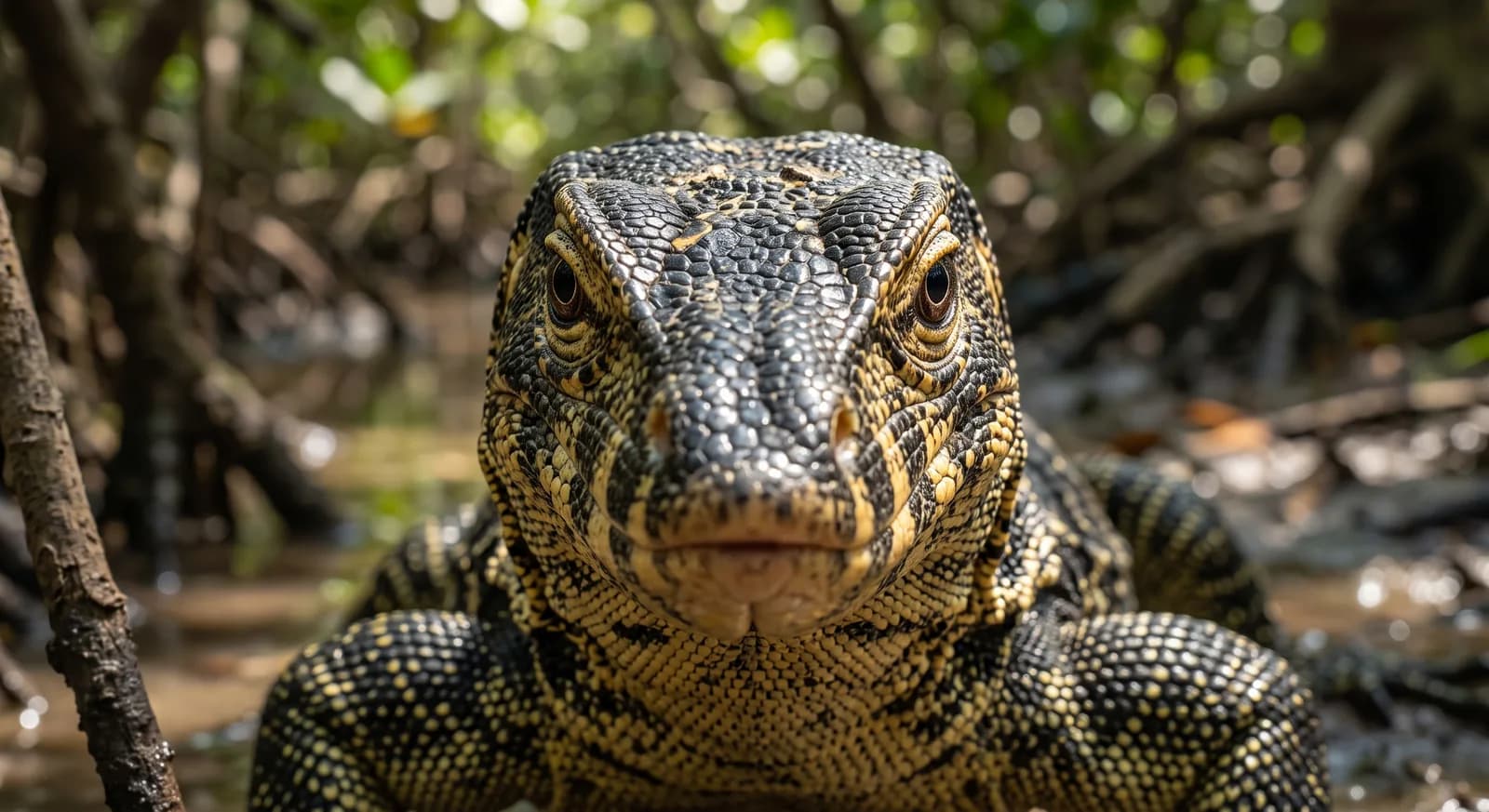
Common Water MonitorNot Evaluated

Common Water Monitor

Varanus salvator

Near Threatened

Nicobar Pigeon

Caloenas nicobarica

Near Threatened

Philippine Tarsier

Tarsius syrichta

Least Concern

Common House Gecko

Hemidactylus frenatus

CountriesIndonesia
ParksBogani Nani WartaboneIndonesia
TagsCarnivore
Carnivore
Nocturnal
In pairs
Vulnerable
Rainforest
Freshwater
Islands
Mammal
Indonesia