Skip to content
WAnimals
  • Map
  • Species
  • Parks
  • Diving
Log inCreate account
WAnimals

The guide for travellers and animal lovers: discover, plan and share your wild adventures around the world.

Discover wildlife

  • Species
  • Ecosystems
  • Glossary
  • Tags

Explore places

  • Map
  • Countries
  • Parks
  • Diving

Plan experiences

  • Guides

Learn

  • Blog

Resources

  • About us
  • How we build our profiles
  • Help centre
  • Contact
  • Install the app

Follow us

Account

  • Log in
  • Create account

© 2026 WAnimals. All rights reserved.

Terms of servicePrivacyCookiesLegal notice
MapSpeciesParksDiving
  1. Home
  2. Species
  3. Yellowbelly Rockcod

Bony fish · Perciformes · Nototheniidae

Yellowbelly Rockcod

Notothenia coriiceps

Not Evaluated

It has not yet been assessed against the IUCN criteria.

Spotted something wrong?

An Antarctic rockcod, robust and olive-brown with darker blotches, very abundant in the waters of the Antarctic Peninsula. It lives among rocks and kelp beds and eats krill, amphipods, algae and small fish. It survives all year round in water close to freezing point.

Size

30 cm – 62 cm

Diet

Carnivore

Feeds mainly on other animals.

Social structure

Solitary

Lives and hunts alone, joining others only to breed.

6countries7parks3dive sites

Fun facts

  • Its blood and tissues contain antifreeze glycoproteins that bind to microscopic ice crystals and stop them growing, a mechanism without which the fish would freeze from the inside.
  • It has no swim bladder and makes up for the lack of buoyancy by storing lipids and reducing the mineralisation of its skeleton.
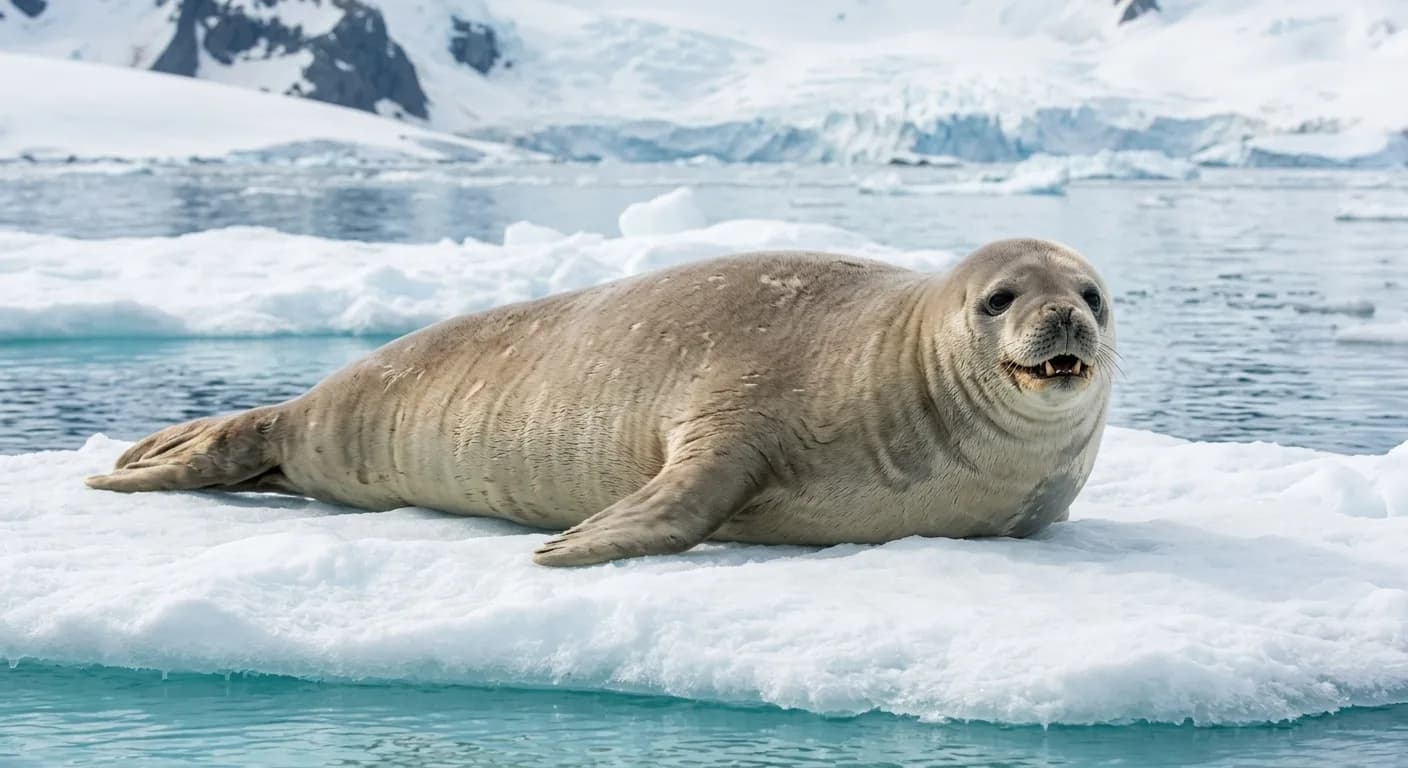
  • It is one of the keystone species of the Antarctic coastal food web and regular prey for seals, shags and penguins.
  • Its antifreeze glycoproteins evolved from a trypsinogen gene, a digestive enzyme: a much-cited case of how a gene changes function completely.
  • Those proteins do not lower the freezing point the way car antifreeze would: they bind to ice microcrystals and stop them from growing.
  • It is a red-blooded fish, which is why it is constantly used as the point of comparison against the icefishes: almost everything we know about their loss of haemoglobin has been measured against this species.
  • The notothenioids make up around 90% of the fish fauna of the Antarctic continental shelf, a dominance with almost no equivalent in other seas.

Life cycle and biology

Skeleton type
Vertebrate - internal bony skeleton (bony fish)
Habitat and environment
Rocky bottoms and kelp beds of Antarctica, from 0 to 550 m

Sources consulted: Chen, DeVries y Cheng (1997), PNAS · Cocca et al. (2000) · Lista Roja de la UICN · FishBase

Where to find it

Loading map…

The pins mark the parks and dive sites where its presence is documented.

Where to see it

Parks and dive sites where this species has been documented.

Related species

Other species in the catalogue with the most in common with Yellowbelly Rockcod — same habitat, park, country, tags or family.

Shares a park
Shares a park
Shares a park
Shares a park
Shares a park
Shares a park

Keep exploring

Based on what we already know about yellowbelly rockcod.
Share an experience, a fun fact or a tip for seeing the yellowbelly rockcod.
See full glossary
This page in other languages: Español · Deutsch · Français · Português · Italiano
Ocean
See its range on the interactive map→
Deception IslandAntarctica
Ross Sea (Marine Protected Area)Antarctica
South Georgia (Grytviken and St Andrews Bay)South Georgia and South Sandwich Islands
Kerguelen IslandsFrench Southern Territories
Fildes PeninsulaAntarctica
Cape ShirreffAntarctica
Admiralty BayAntarctica
Deception IslandAntarctica
Paradise HarbourAntarctica
South GeorgiaSouth Georgia and South Sandwich Islands
Vulnerable

Porbeagle

Lamna nasus

Not Evaluated

Blackfin Icefish

Chaenocephalus aceratus

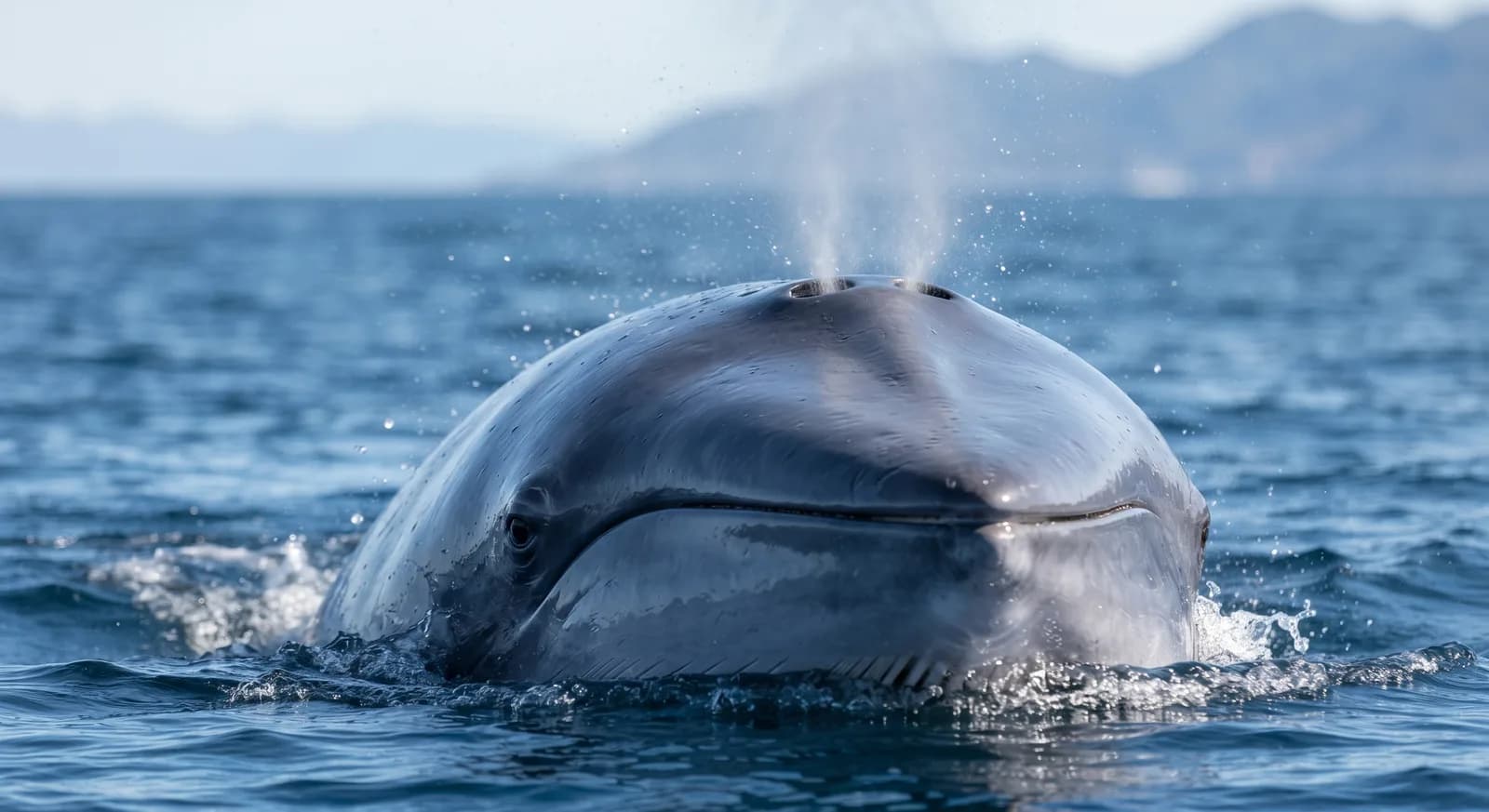
Minke WhaleLeast Concern

Minke Whale

Balaenoptera acutorostrata

Crabeater SealLeast Concern

Crabeater Seal

Lobodon carcinophaga

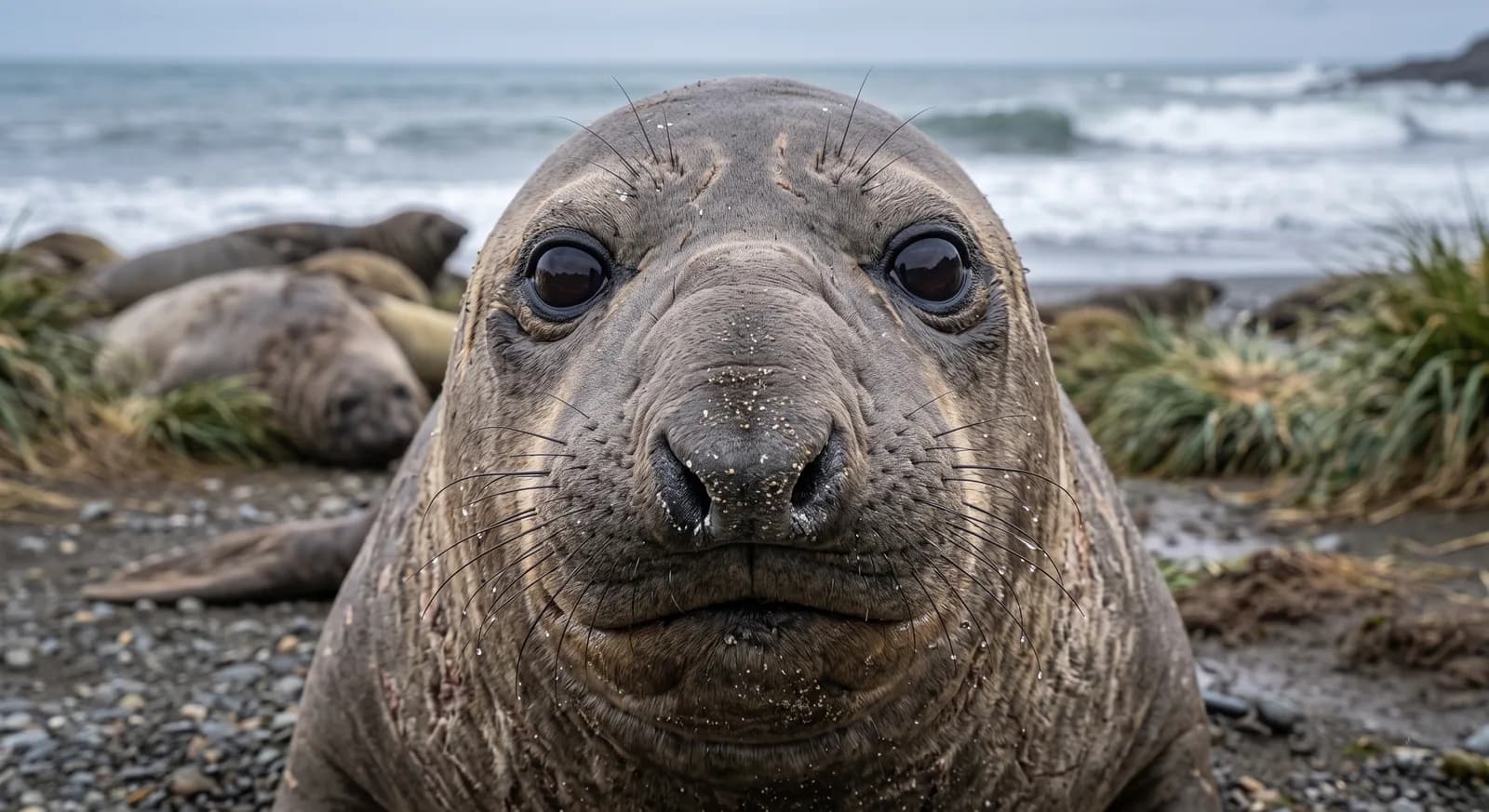
Southern Elephant SealVulnerable

Southern Elephant Seal

Mirounga leonina

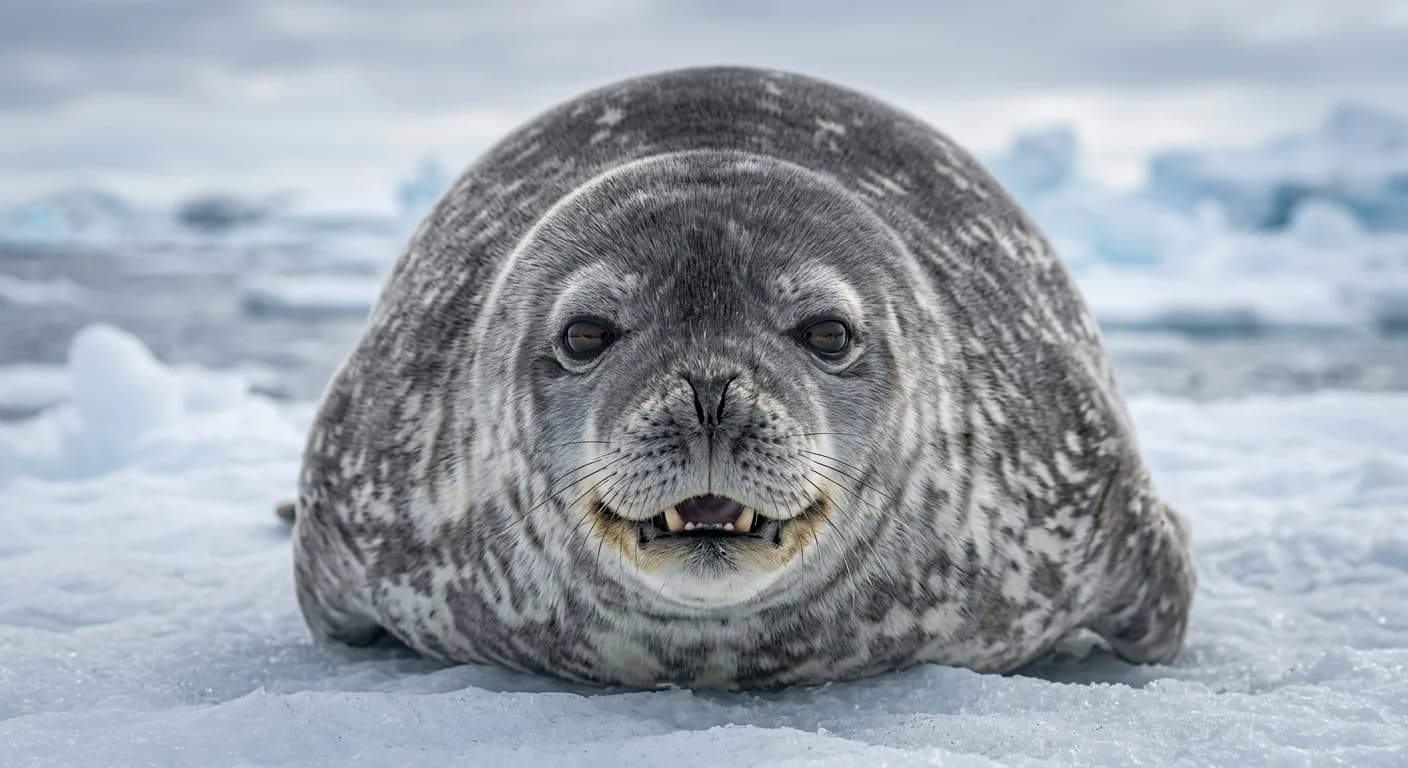
Weddell SealLeast Concern

Weddell Seal

Leptonychotes weddellii

CountriesAntarctica
ParksDeception IslandAntarctica
TagsCarnivore
Carnivore
Solitary
Fish
Ocean
Antarctica
South Georgia and South Sandwich Islands
French Southern Territories
Argentina
Chile
Falkland Islands