Skip to content
WAnimals
  • Map
  • Species
  • Parks
  • Diving
Log inCreate account
WAnimals

The guide for travellers and animal lovers: discover, plan and share your wild adventures around the world.

Discover wildlife

  • Species
  • Ecosystems
  • Glossary
  • Tags

Explore places

  • Map
  • Countries
  • Parks
  • Diving

Plan experiences

  • Guides

Learn

  • Blog

Resources

  • About us
  • How we build our profiles
  • Help centre
  • Contact
  • Install the app

Follow us

Account

  • Log in
  • Create account

© 2026 WAnimals. All rights reserved.

Terms of servicePrivacyCookiesLegal notice
MapSpeciesParksDiving
  1. Home
  2. Species
  3. Zebra Mbuna

One of the 3 cichlids on WAnimals

Bony fish · Perciformes · Cichlidae

Zebra Mbuna

Maylandia zebra

Least Concern

The species is abundant and widely distributed; it faces no significant short-term risk.

Spotted something wrong?

A cichlid endemic to Lake Malawi, blue with dark vertical bars, living among the rocks of the shoreline and rasping the algal mat with its specialised teeth. It belongs to the mbuna, the rock-dwelling cichlids of the lake, and is one of the reference species in the study of evolution.

Size

8 cm – 13 cm

Diet

Herbivore

Feeds mainly on plants.

Activity

Diurnal

Active mainly during the day.

OceanFreshwater
3countries1parks1dive sites6same family

Fun facts

  • GeneralThe female broods the eggs in her mouth for some three weeks.
  • The cichlids of Lake Malawi are one of the most spectacular examples of adaptive radiation: several hundred species have arisen from a handful of ancestors in under a million years.
  • The mbuna hardly ever cross the sandy stretches between rocky headlands, which isolates the populations of each reef and speeds up the emergence of new species.
  • It is a maternal mouthbrooder: the female holds the eggs in her mouth for about three weeks and releases fry that are already independent.
  • The colour of the males changes from one part of the lake to another: in some places their heads are dark and in others blue, over a bright blue body with up to eight blackish bars.
  • The males carry spots on the anal fin that mimic eggs, a lure that forms part of the courtship.

Life cycle and biology

Skeleton type
Vertebrate - internal bony skeleton (bony fish)
Habitat and environment
The rocky inshore zone of Lake Malawi
Gestation / incubation
The female broods the eggs in her mouth for about three weeks

Sources consulted: FishBase (Froese & Pauly, eds.) · Lista Roja de la UICN (evaluación de 2018) · Seriously Fish

Where to find it

Loading map…

The pins mark the parks and dive sites where its presence is documented.

Where to see it

Parks and dive sites where this species has been documented.

Related species

Other species in the catalogue with the most in common with Zebra Mbuna — same habitat, park, country, tags or family.

Shares a park
Same taxonomic family
Shares a dive site
Shares a park
Shares a dive site
Same taxonomic family

Keep exploring

Based on what we already know about zebra mbuna.
Share an experience, a fun fact or a tip for seeing the zebra mbuna.
See full glossary
This page in other languages: Español · Deutsch · Français · Português · Italiano
See its range on the interactive map→
Lake MalawiMalawi
Lake Malawi (cichlids)Malawi
Least Concern

African Catfish

Clarias gariepinus

Least Concern

Nile Tilapia

Oreochromis niloticus

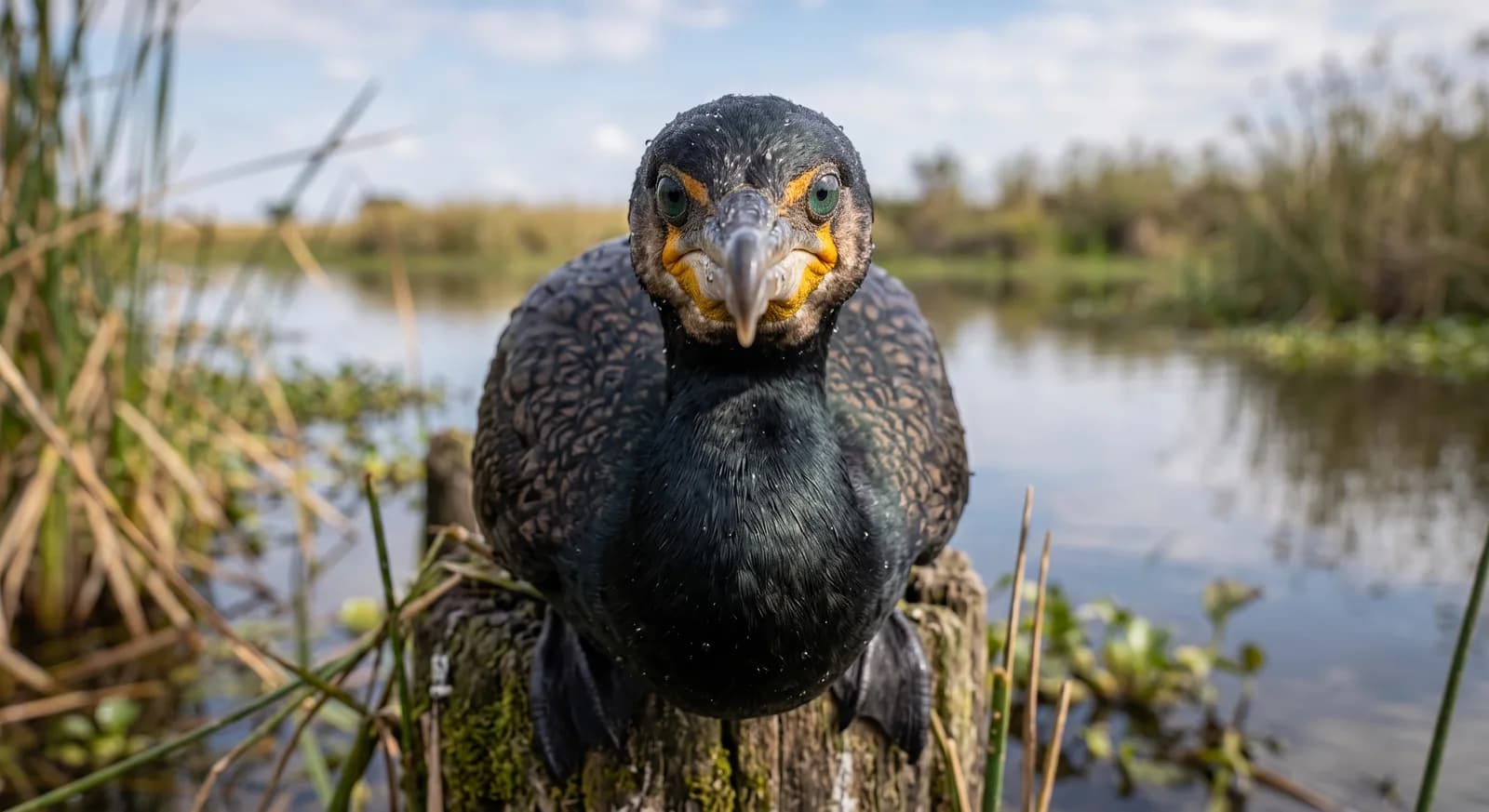
Long-tailed CormorantLeast Concern

Long-tailed Cormorant

Microcarbo africanus

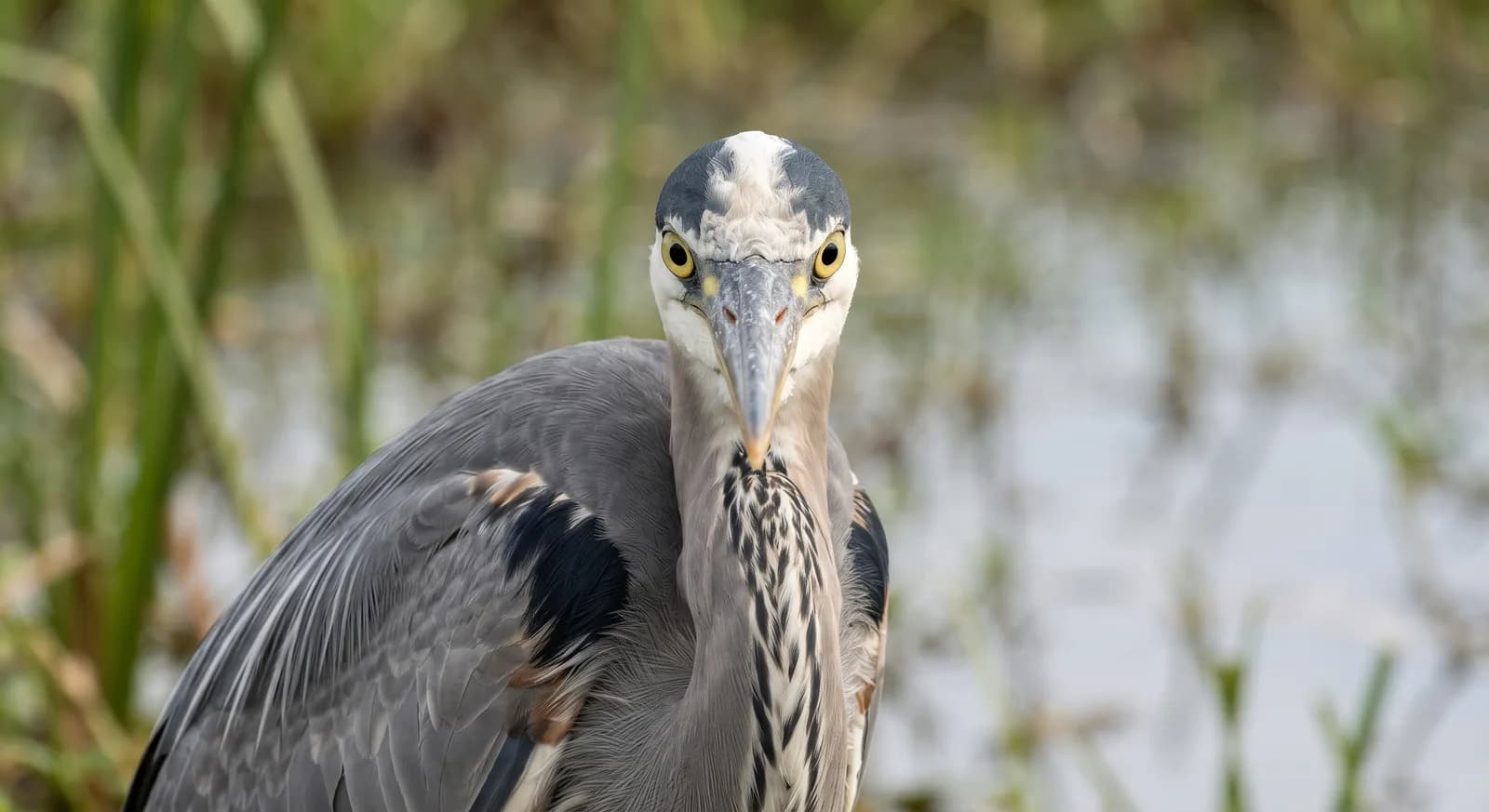
Cocoi HeronLeast Concern

Cocoi Heron

Ardea cocoi

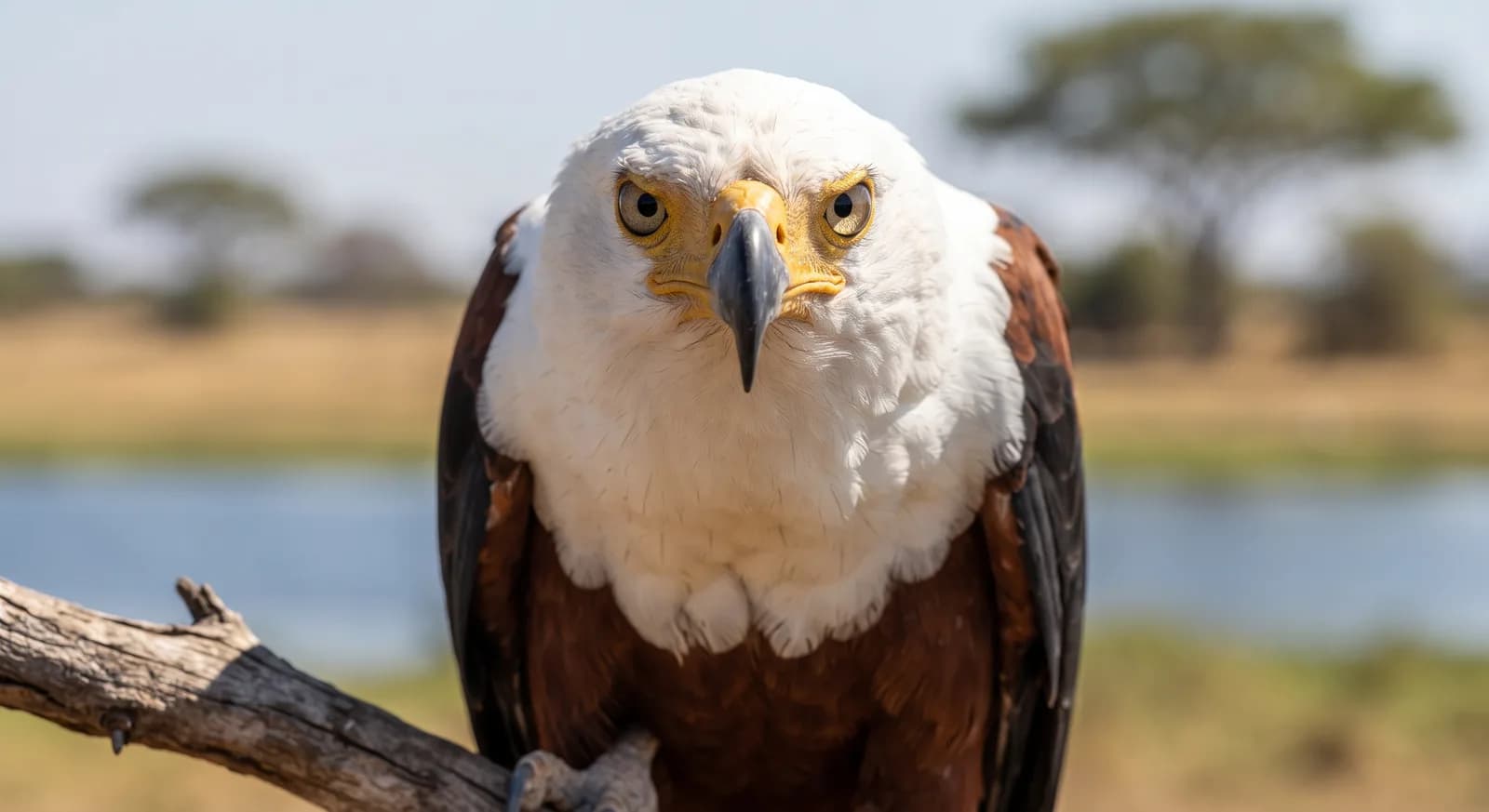
African Fish-EagleLeast Concern

African Fish-Eagle

Haliaeetus vocifer

Least Concern

Freshwater Angelfish

Pterophyllum scalare

CountriesMalawi
ParksLake MalawiMalawi
TagsHerbivore
Herbivore
Diurnal
Fish
Ocean
Freshwater
Malawi
Mozambique
Tanzania