Skip to content
WAnimals
  • Map
  • Species
  • Parks
  • Diving
Log inCreate account
WAnimals

The guide for travellers and animal lovers: discover, plan and share your wild adventures around the world.

Discover wildlife

  • Species
  • Ecosystems
  • Glossary
  • Tags

Explore places

  • Map
  • Countries
  • Parks
  • Diving

Plan experiences

  • Guides

Learn

  • Blog

Resources

  • About us
  • How we build our profiles
  • Help centre
  • Contact
  • Install the app

Follow us

Account

  • Log in
  • Create account

© 2026 WAnimals. All rights reserved.

Terms of servicePrivacyCookiesLegal notice
MapSpeciesParksDiving
  1. Home
  2. Species
  3. Cocoi Heron

One of the 3 herons on WAnimals
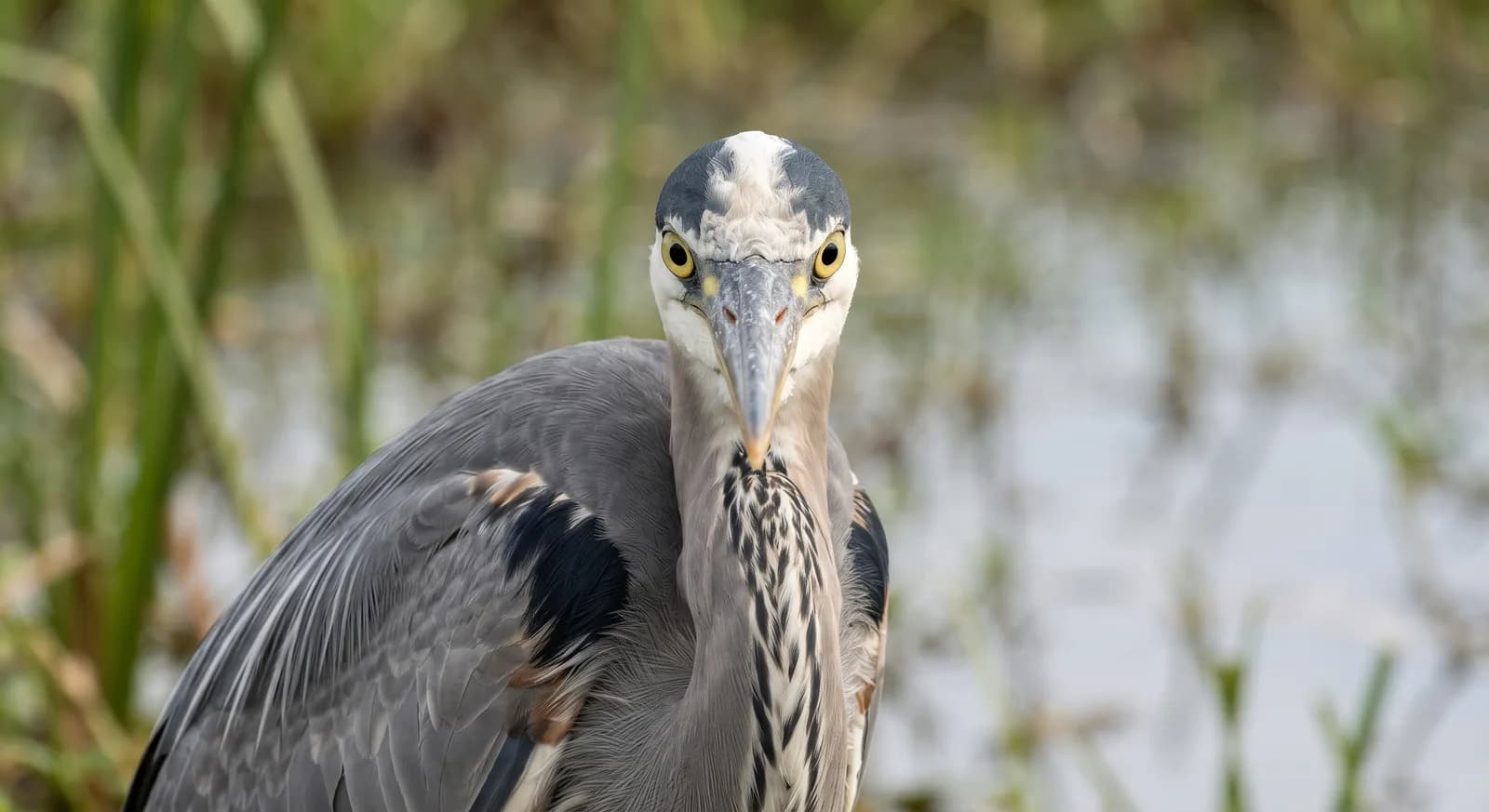
Cocoi Heron (Ardea cocoi)

Birds · Pelecaniformes · Ardeidae

Cocoi Heron

Ardea cocoi

Least Concern

The species is abundant and widely distributed; it faces no significant short-term risk.

Spotted something wrong?

The largest of the South American herons. Grey on the back and wings, with a white neck held in an S, white thighs and undertail coverts and a wholly black crown extending into a pointed crest over the nape. A dull yellow bill, yellow iris and blue-grey bare skin around the eye.

Weight

1.1 kg – 3.2 kg

Life expectancy

15 years

Diet

Carnivore

Feeds mainly on other animals.
Activity

Diurnal

Active mainly during the day.

Social structure

Solitary

Lives and hunts alone, joining others only to breed.

Freshwater
58countries71parks11same family

AI-generated images: illustrations, not photographs.

Fun facts

  • It forms a superspecies with the Eurasian grey heron and the North American great blue heron: all three have almost identical skeletal morphology.
  • It takes fish of more than 20 cm, but also mammals, amphibians, reptiles and even carrion.
  • It adapts its diet to its surroundings: on rivers and lakes it fishes, while in heavily vegetated areas it hunts insects and amphibians.

Life cycle and biology

Skeleton type
Vertebrate - internal bony skeleton (bird)
Habitat and environment
All kinds of aquatic habitats: rivers, streams, marshes, swamps, lagoons and freshwater lakes, as well as irrigation canals. Its long legs let it wade into deeper water than other herons
Birth weight
Altricial: born blind, naked or with sparse down and entirely dependent
Size at birth
Altricial: born blind, naked or with sparse down and entirely dependent
Gestation / incubation
24-26 days of incubation
Litter / clutch size
2-4 eggs per clutch

Sources consulted: IUCN Red List · Universidad de las Indias Occidentales (ficha Ardea cocoi) · Dunning 2008 · Hancock y Kushlan, The Heron Handbook · Heron Conservation (Heron Specialist Group) · de la Paz Ducommun y Beltzer 2010 · Birds of the World (Cornell Lab)

Where to find it

Best time: All year round; its activity peaks at midday and falls at dusk, though it can also feed at night

Loading map…

Where to see it

Parks and dive sites where this species has been documented — showing 10 of 71.

Related species

Other species in the catalogue with the most in common with Cocoi Heron — same habitat, park, country, tags or family.

Same taxonomic family
Shares a park
Shares a park
Shares a park

Keep exploring

Based on what we already know about cocoi heron.

Share an experience, a fun fact or a tip for seeing the cocoi heron.
See full glossary
This page in other languages: Español · Deutsch · Français · Português · Italiano

The pins mark the parks where its presence is documented.

See its range on the interactive map→
Serengeti National ParkTanzania
Maasai Mara National ReserveKenya
Kruger National ParkSouth Africa
Okavango DeltaBotswana
Esteros de FarraposUruguay
NgorongoroTanzania
AmboseliKenya
TsavoKenya
Lake NakuruKenya
Moremi (Okavango Delta)Botswana
See all 71 parks
Little EgretLeast Concern

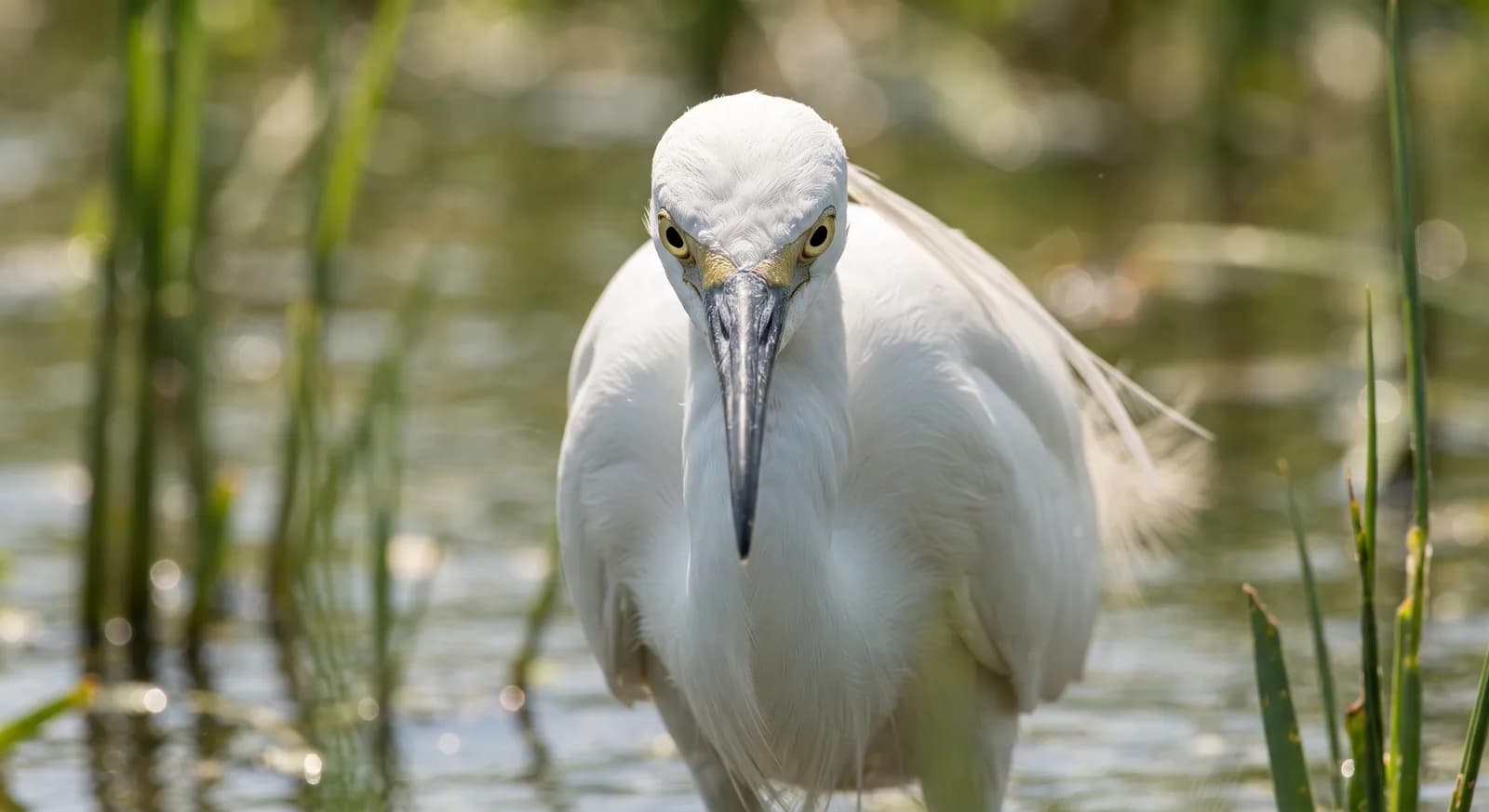
Little Egret

Egretta garzetta

Grey HeronLeast Concern

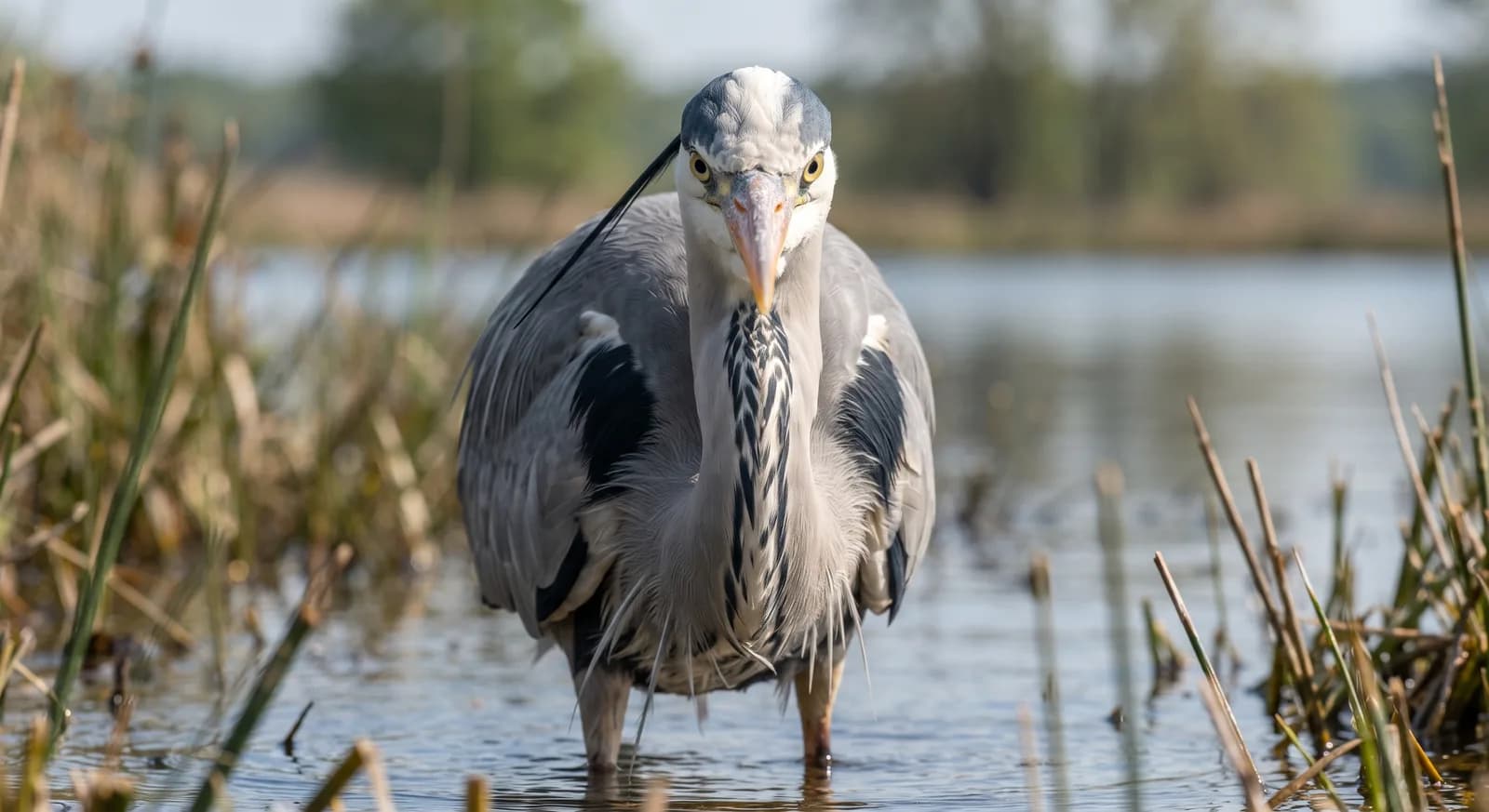
Grey Heron

Ardea cinerea

Least Concern

Cattle Egret

Bubulcus ibis

Eurasian SpoonbillLeast Concern

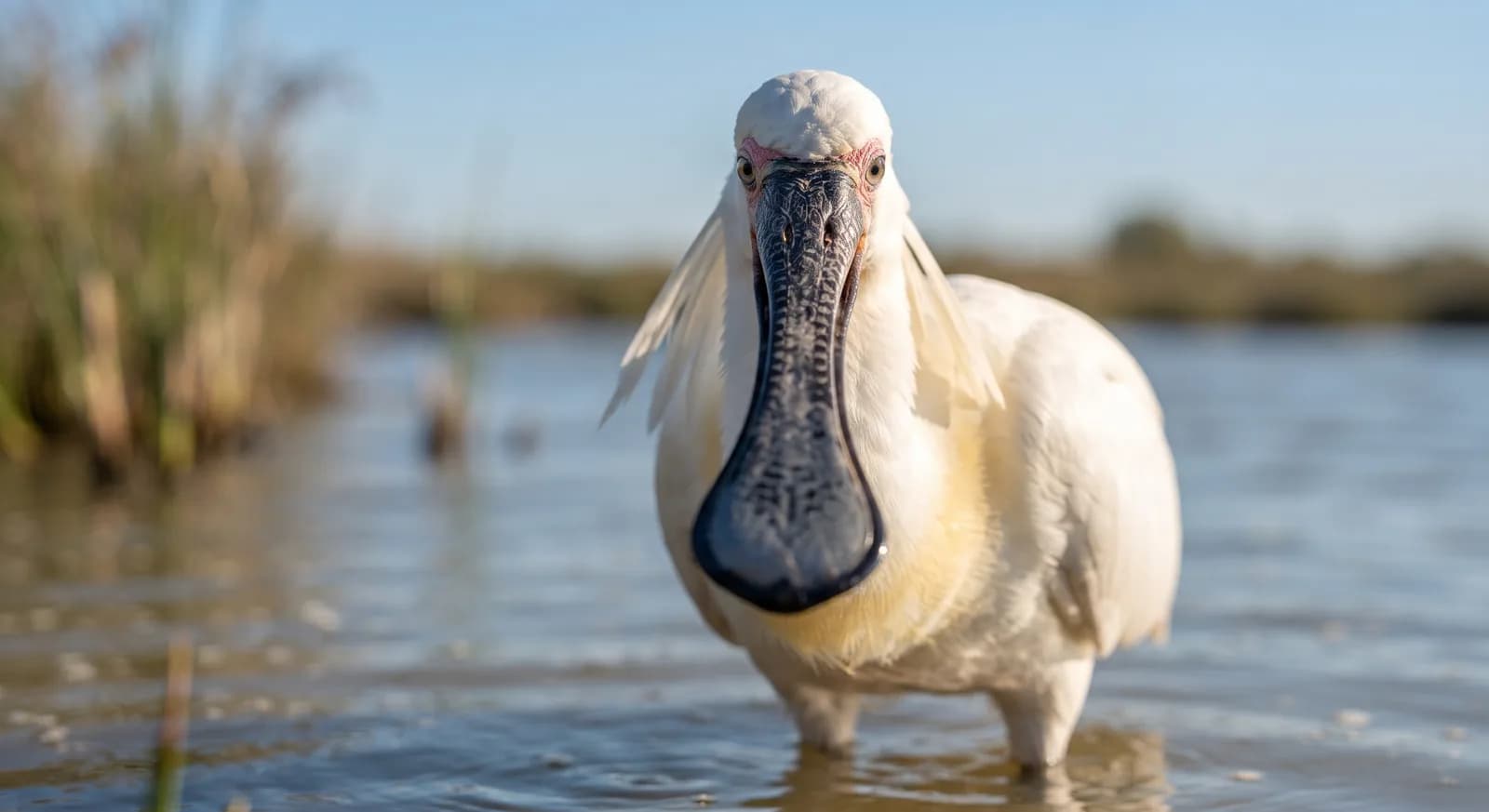
Eurasian Spoonbill

Platalea leucorodia

Least Concern

Helmeted Turtle

Pelomedusa subrufa

Least Concern

Giant Bullfrog

Pyxicephalus adspersus

CountriesTanzania
ParksSerengeti National ParkTanzania
TagsCarnivore
Carnivore
Diurnal
Solitary
Bird
Freshwater

Africa45

Asia13

Tanzania
Kenya
South Africa
Malawi
Mozambique
Namibia
Angola
Benin
Botswana
Burkina Faso
Burundi
Cameroon
Central African Republic
Chad
Côte d’Ivoire
Democratic Republic of the Congo
Djibouti
Egypt
Equatorial Guinea
Eritrea
Eswatini
Ethiopia
Gabon
Gambia
Ghana
Guinea
Guinea-Bissau
Kenya
Lesotho
Liberia
Madagascar
Malawi
Mali
Mauritania
Mozambique
Namibia
Niger
Nigeria
Republic of the Congo
Rwanda
Senegal
Sierra Leone
Somalia
South Africa
South Sudan
Sudan
Tanzania
Togo
Uganda
Zambia
Zimbabwe
Bangladesh
India
Iran
Iraq
Israel
Myanmar
Nepal
Oman
Pakistan
Saudi Arabia
Sri Lanka
Syria
Yemen