One of the 26 spiders on WAnimals
Arachnids · Araneae · Lycosidae
Carolina Wolf Spider
Hogna carolinensis
It has not yet been assessed against the IUCN criteria. See full glossary
The largest wolf spider in North America, cryptically brown and with a body up to 3.5 cm long. It lives in a vertical burrow it digs in the ground and from whose mouth it ambushes insects and other spiders by night. It spins no hunting web.
Size
2 cm – 35 cm
Diet
Carnivore
Feeds mainly on other animals.
Activity
Nocturnal
Active mainly at night.
Social structure
Solitary
Lives and hunts alone, joining others only to breed.
Sighting difficulty
Unknown
Fun facts
- The mother carries the egg sac attached to her spinnerets and, once it hatches, carries the dozens of spiderlings riding on her abdomen for days.
- Its eyes reflect torchlight like tiny green embers, which makes it possible to spot them at night from tens of metres away.
- Despite its size and its bad reputation, its bite is of no serious consequence to people.
- It is the largest wolf spider in North America, with a body of up to 3.5 cm and a considerable leg span.
- Its eyes shine at night: the tapetum lucidum of the two central eyes reflects torchlight and gives them away from tens of metres, a classic method for surveying them.
- The mother carries the egg sac attached to her spinnerets and, when they hatch, the spiderlings climb onto her abdomen and ride on her for weeks, stacked in several layers.
- It spins no hunting web: it runs its prey down or waits for it at the mouth of its burrow.
- Its bite is painful but of no medical significance, despite its intimidating size.
- Its burrows can be deep and it keeps them open all year round, sealing them with silk and soil in winter.
Life cycle & biology
- Skeleton type
- Invertebrate - chitin exoskeleton (arachnid)
- Habitat & environment
- Dry grassland, fields and arid country of North America
Sources consulted: Universidad de Florida, Featured Creatures; Punzo, The Biology of Wolf Spiders; Bradley, Common Spiders of North America
Where to watch it
Parques y spots de buceo donde se ha documentado esta especie — se muestran 10 de 13 documentados.
Related species
Other species in the catalogue with the most in common with Carolina Wolf Spider — same habitat, park, country, tags or family.
Northern Leopard Frog
Lithobates pipiens
 Least Concern
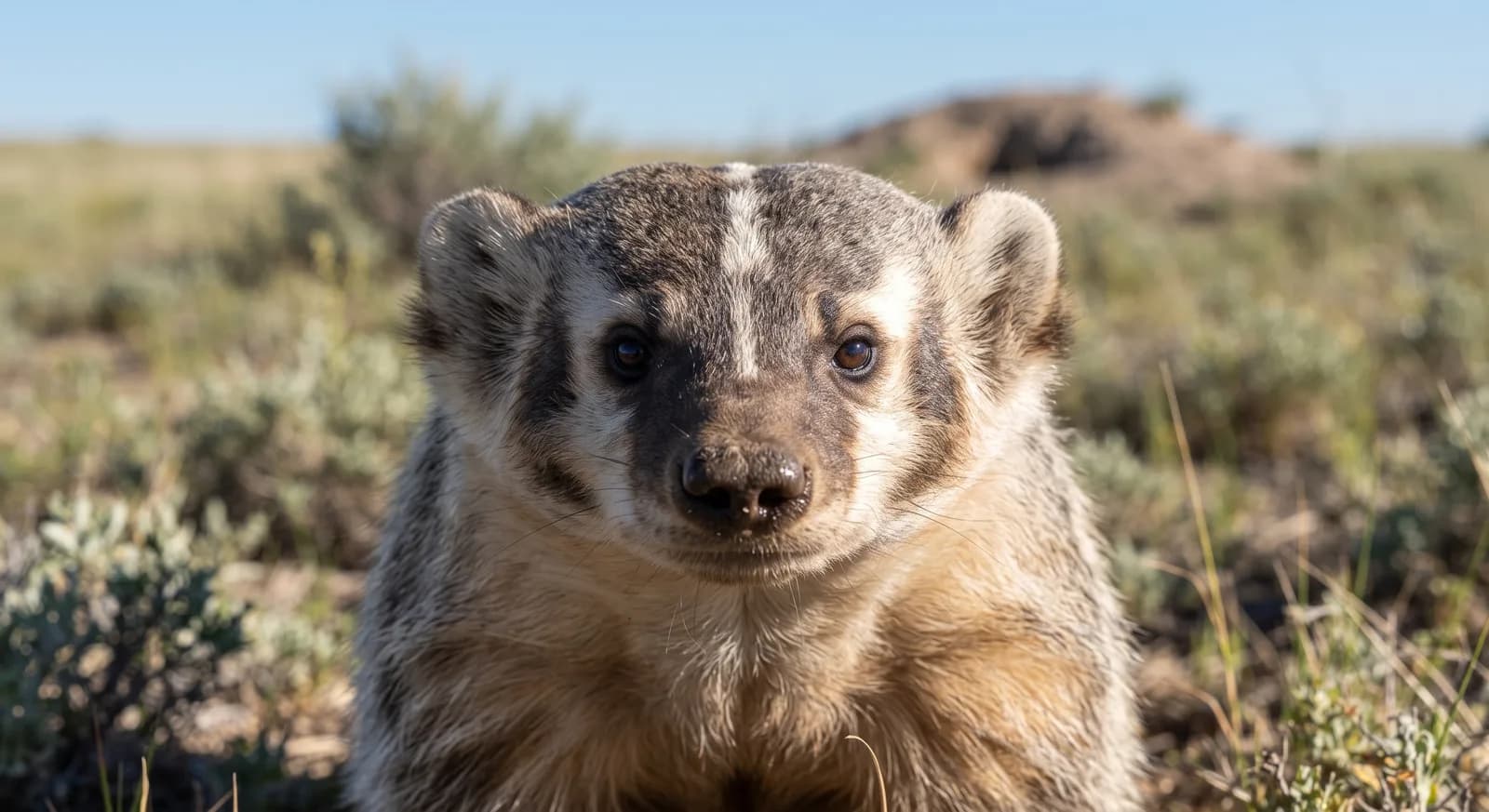
American Badger
Taxidea taxus
Eastern Milksnake
Lampropeltis triangulum
Brown Widow
Latrodectus geometricus
Ord's Kangaroo Rat
Dipodomys ordii
 Least Concern
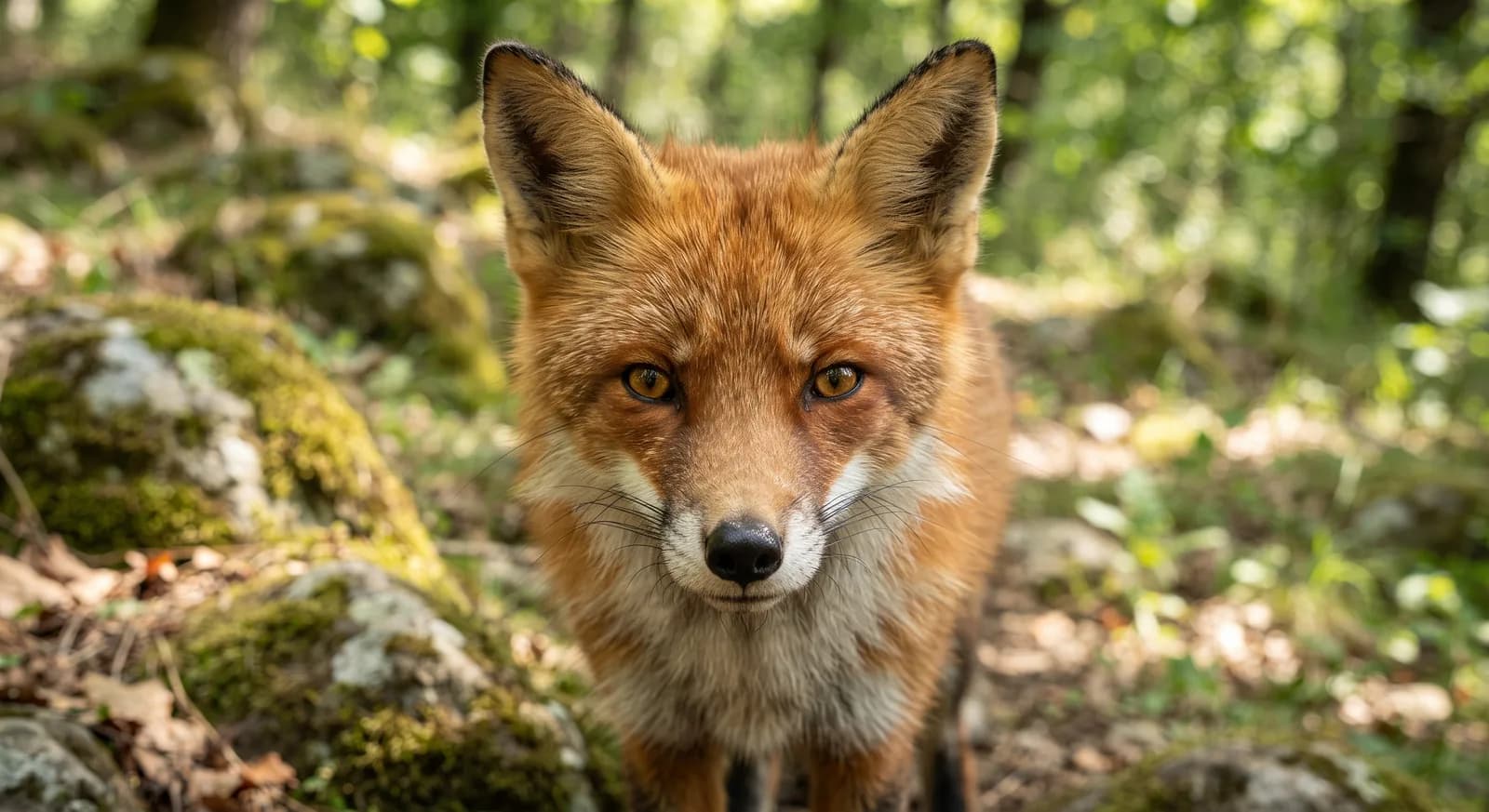
Red Fox
Vulpes vulpes
Keep exploring
Based on what we already know about carolina wolf spider.
Comments
Share an experience, a fun fact or a tip for seeing the carolina wolf spider.
Be the first to comment.