One of the 26 spiders on WAnimals
Arachnids · Araneae · Theridiidae
Brown Widow
Latrodectus geometricus
It has not yet been assessed against the IUCN criteria. See full glossary
The brown widow, a close relative of the black widow, brown with a geometric pattern on its back and an orange hourglass on its underside. It spins untidy webs on walls, street furniture, sheds and plant pots, and has spread to almost every warm region of the planet.
Size
7 cm – 16 cm
Diet
Carnivore
Feeds mainly on other animals.
Activity
Nocturnal
Active mainly at night.
Social structure
Solitary
Lives and hunts alone, joining others only to breed.
Sighting difficulty
Unknown
Fun facts
- GeneralIts egg sac is a spiky ball, unlike the black widow's.
- Drop for drop its venom is more potent than the black widow's, but it injects far less, so the bite usually amounts to local pain.
- Wherever it establishes itself it tends to displace the native black widows, taking over the same urban refuges.
- Its egg sac is unmistakable and gives it away before the spider itself does: a ball covered in points, like a spiky golf ball, quite unlike the smooth sacs of the other widows.
- The hourglass on its underside is orange or yellowish, not red as in the black widow.
- Its bite is far less serious than the black widow's, not because the venom is weaker but because the spider is smaller and injects much less. An African study of fifteen verified bites found none of the classic symptoms of latrodectism.
- It is thought to be native to southern Africa and is now found almost worldwide, carried with sea freight. It was detected in Miami in 1936 and reached southern California in the early 2000s.
- It competes with the black widow and is displacing it in several areas, which paradoxically reduces the risk of serious bites.
Life cycle & biology
- Habitat & environment
- Walls, sheds, street furniture and gardens
- Gestation / incubation
- The eggs hatch in about 20 days
- Litter / clutch size
- From 120 to 150 eggs per sac, and up to 20 sacs over a lifetime
Sources consulted: Koch (1841); Vetter (2013), Universidad de California en Riverside; Mowery et al. (2022)
Where to find it
See its range on the interactive mapWhere to watch it
Parques y spots de buceo donde se ha documentado esta especie — se muestran 10 de 11 documentados.
Related species
Other species in the catalogue with the most in common with Brown Widow — same habitat, park, country, tags or family.
Redback
Latrodectus hasselti
Southern Black Widow
Latrodectus mactans
Steppe Spider
Latrodectus tredecimguttatus
Alligator Snapping Turtle
Macrochelys temminckii
 Vulnerable
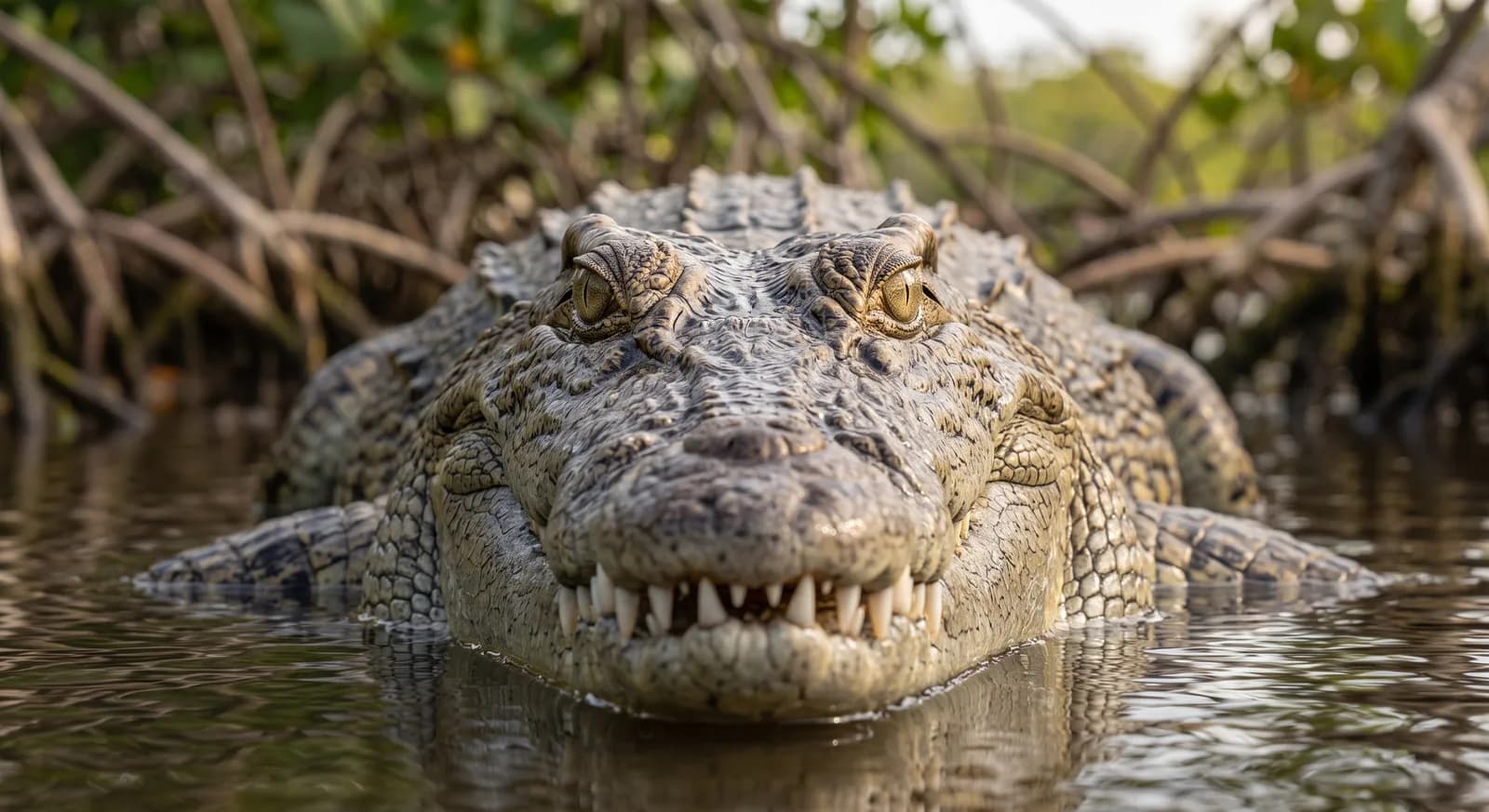
American Crocodile
Crocodylus acutus
Keep exploring
Based on what we already know about brown widow.
Comments
Share an experience, a fun fact or a tip for seeing the brown widow.
Be the first to comment.