Bony fish · Perciformes · Blenniidae
Peacock Blenny
Salaria pavo
The species is abundant and widely distributed; it faces no significant short-term risk. See full glossary
Size
up to 13.8 cm
Diet
Omnivore
Combines animal and plant food depending on availability.
Sighting difficulty
Easy
Fun facts
- The breeding male develops a conspicuous fleshy crest on his head; females preferentially choose those with the larger crest.
- There is a second type of male, much smaller, that mimics female behaviour to slip into the nest and fertilise the eggs on the sly.
- It is a facultative air breather, and the males hold out in their crevices above the waterline through low tide.
Life cycle & biology
- Skeleton type
- Vertebrate - internal bony skeleton (bony fish)
- Habitat & environment
- The intertidal zone and shallow rock, sand and shingle bottoms of the Mediterranean, the Black Sea and the Atlantic from France to Morocco; also in harbours, breakwaters and brackish water, down to about 10 m
Sources consulted: https://en.wikipedia.org/wiki/Peacock_blenny
Where to find it
See its range on the interactive mapWhere to watch it
Parks and dive sites where this species has been documented.
Related species
Other species in the catalogue with the most in common with Peacock Blenny — same habitat, park, country, tags or family.
Banded Humbug
Dascyllus aruanus
Emperor Angelfish
Pomacanthus imperator
Yellow Boxfish
Ostracion cubicus
Moorish Idol
Zanclus cornutus
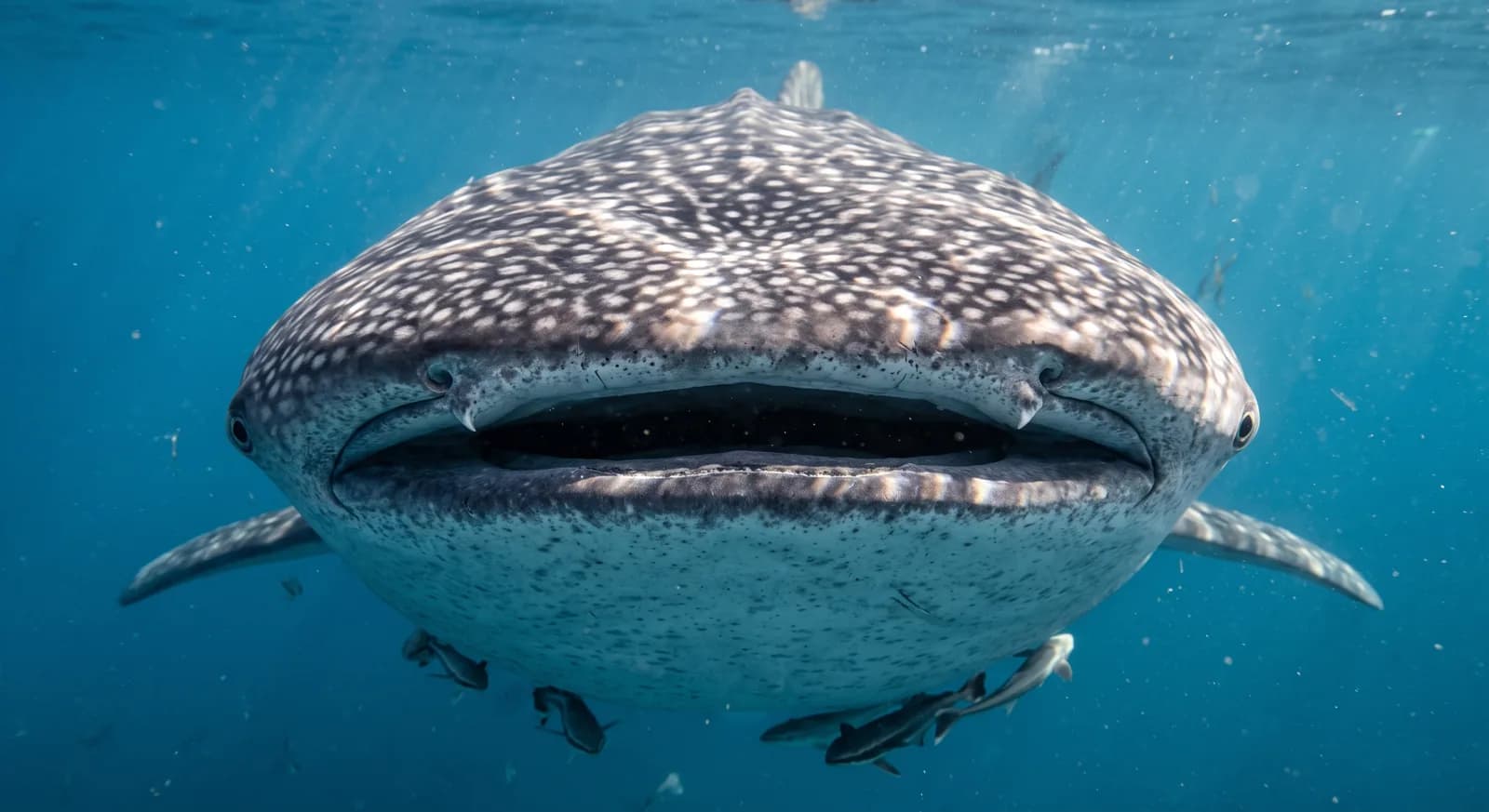 Endangered
Whale Shark
Rhincodon typus
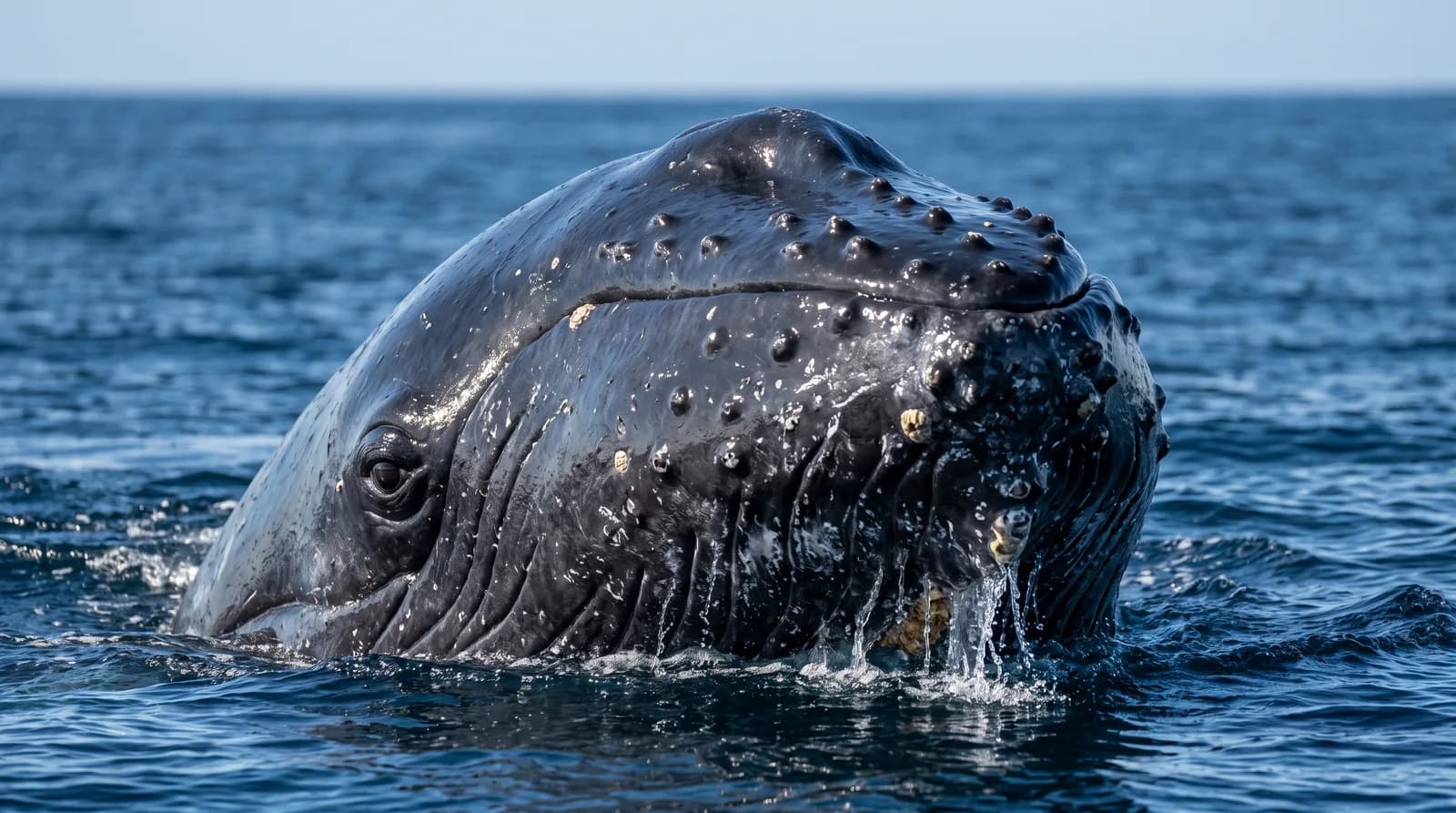 Least Concern
Humpback Whale
Megaptera novaeangliae
Keep exploring
Based on what we already know about peacock blenny.
Comments
Share an experience, a fun fact or a tip for seeing the peacock blenny.
Be the first to comment.