One of the 5 caecilians on WAnimals
Amphibians · Gymnophiona · Ichthyophiidae
Ceylon Caecilian
Ichthyophis glutinosus
The species is abundant and widely distributed; it faces no significant short-term risk. See full glossary
The Ceylon caecilian is a subterranean legless amphibian endemic to Sri Lanka, with bluish skin and a yellow stripe along the flank. It was the first caecilian whose life cycle was studied in depth, in the early twentieth century. The mother coils around the clutch until it hatches, and the larvae then make for water to complete their development.
Size
25 cm – 40 cm
Lifespan
12 years
Diet
Carnivore
Feeds mainly on other animals.
Activity
Nocturnal
Active mainly at night.
Social structure
Solitary
Lives and hunts alone, joining others only to breed.
Sighting difficulty
Easy
Fun facts
- It was one of the first caecilians whose complete life cycle was documented, in a pioneering study of the early twentieth century that revealed maternal care of the clutch in a group about which almost nothing was known.
- The mother coils around the eggs and stays with them until they hatch, without eating, keeping them moist with the secretions of her skin.
- Its larvae are aquatic, unlike those of the live-bearing caecilians: they hatch with gills and make for streams and pools to complete their development.
Life cycle & biology
- Skeleton type
- Vertebrate - internal bony skeleton (amphibian)
- Habitat & environment
- Damp soils of forests, tea plantations and gardens in Sri Lanka
- Sexual maturity
- 3 years
- Gestation / incubation
- The clutch is guarded by the mother until hatching
- Litter / clutch size
- 40 eggs
Sources consulted: https://es.wikipedia.org/wiki/Ichthyophis_glutinosus
Where to watch it
Parks and dive sites where this species has been documented.
Related species
Other species in the catalogue with the most in common with Ceylon Caecilian — same habitat, park, country, tags or family.
Greater False Vampire
Megaderma lyra
Western Russel’s Viper
Daboia russelii
Common Krait
Bungarus caeruleus
Red Slender Loris
Loris tardigradus
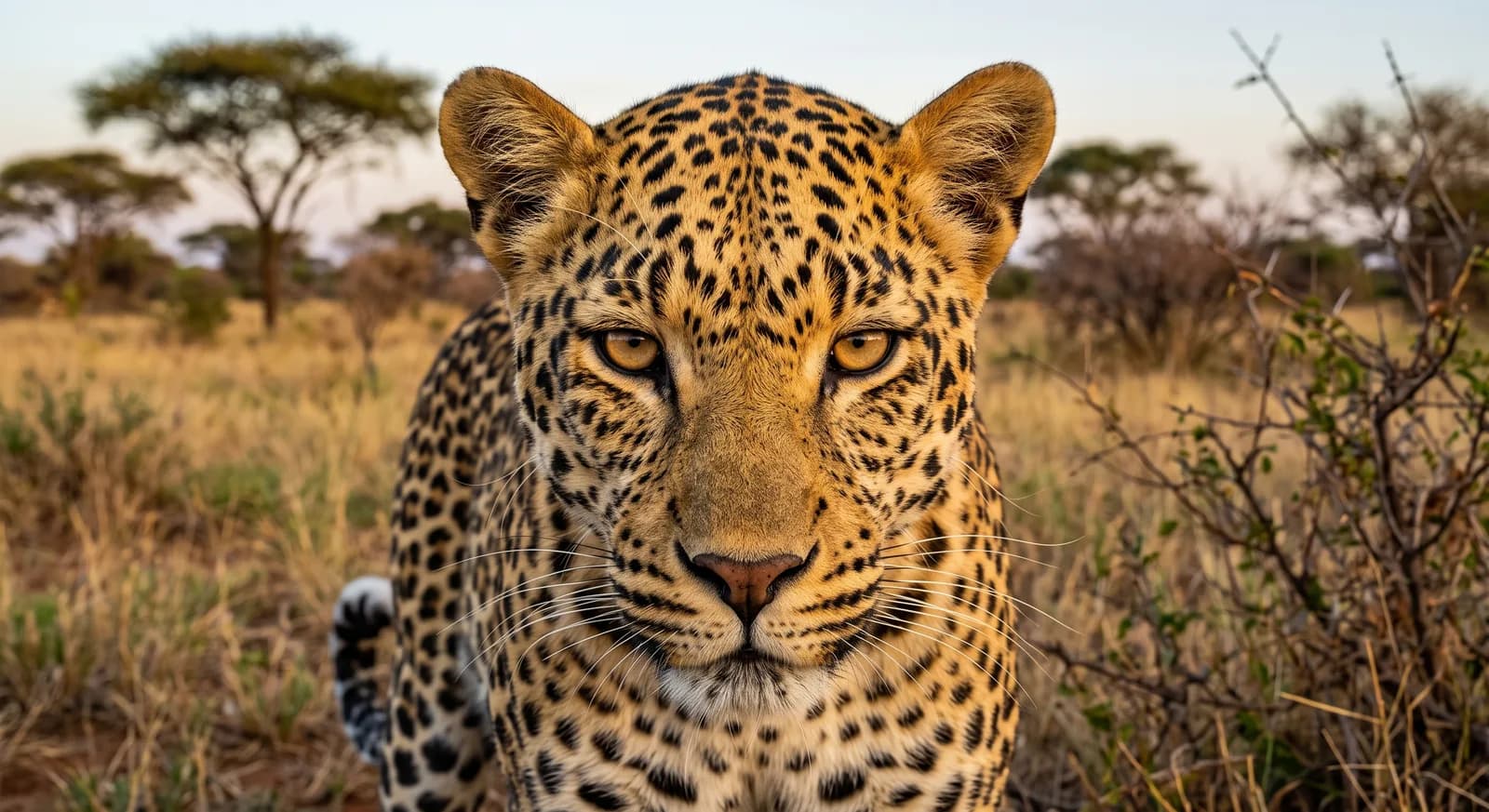 Vulnerable
Leopard
Panthera pardus
Fishing Cat
Prionailurus viverrinus
Keep exploring
Based on what we already know about ceylon caecilian.
Comments
Share an experience, a fun fact or a tip for seeing the ceylon caecilian.
Be the first to comment.