One of the 2 skinks on WAnimals
Reptiles · Squamata · Scincidae
Italian Three-toed Skink
Chalcides chalcides
The species is abundant and widely distributed; it faces no significant short-term risk. See full glossary
Its long, snake-like body with four tiny three-toed limbs gives it a form somewhere between lizard and snake, suited to 'swimming' through dense grass.
Size
25 cm – 48 cm
Lifespan
2 years
Diet
Insectivore
Feeds mainly on insects and other invertebrates.
Activity
Diurnal
Active mainly during the day.
Social structure
Solitary
Lives and hunts alone, joining others only to breed.
Sighting difficulty
Easy
Fun facts
- Its four tiny legs have only three toes each.
- It is one of the few European skinks that is entirely live-bearing.
- More than half its length is tail.
Life cycle & biology
- Skeleton type
- Vertebrate - internal bony skeleton (reptile)
- Habitat & environment
- Sunny, densely vegetated ground — meadows, stream margins, marshes — of Italy and North Africa
- Birth weight
- No precise birth weight found (for the related Chalcides striatus: 0.49-0.82 g)
- Size at birth
- Precocial, born live and fully formed (viviparity)
- Sexual maturity
- 3-4 years (from the related Chalcides striatus)
- Gestation / incubation
- Internal gestation; the young born live (viviparity)
- Litter / clutch size
- A litter estimated at 5-8 young from the related Chalcides striatus
Sources consulted: Brill Amphibia-Reptilia (reproductive output study Chalcides striatus); iNaturalist; Animalia.bio; Wikipedia (Chalcides chalcides); Animal Information
Where to find it
See its range on the interactive mapWhere to watch it
Parques y spots de buceo donde se ha documentado esta especie — se muestran 10 de 18 documentados.
Related species
Other species in the catalogue with the most in common with Italian Three-toed Skink — same habitat, park, country, tags or family.
Orange-tailed Skink
Eumeces schneideri
Greater White-toothed Shrew
Crocidura russula
Common Buzzard
Buteo buteo
 Least Concern
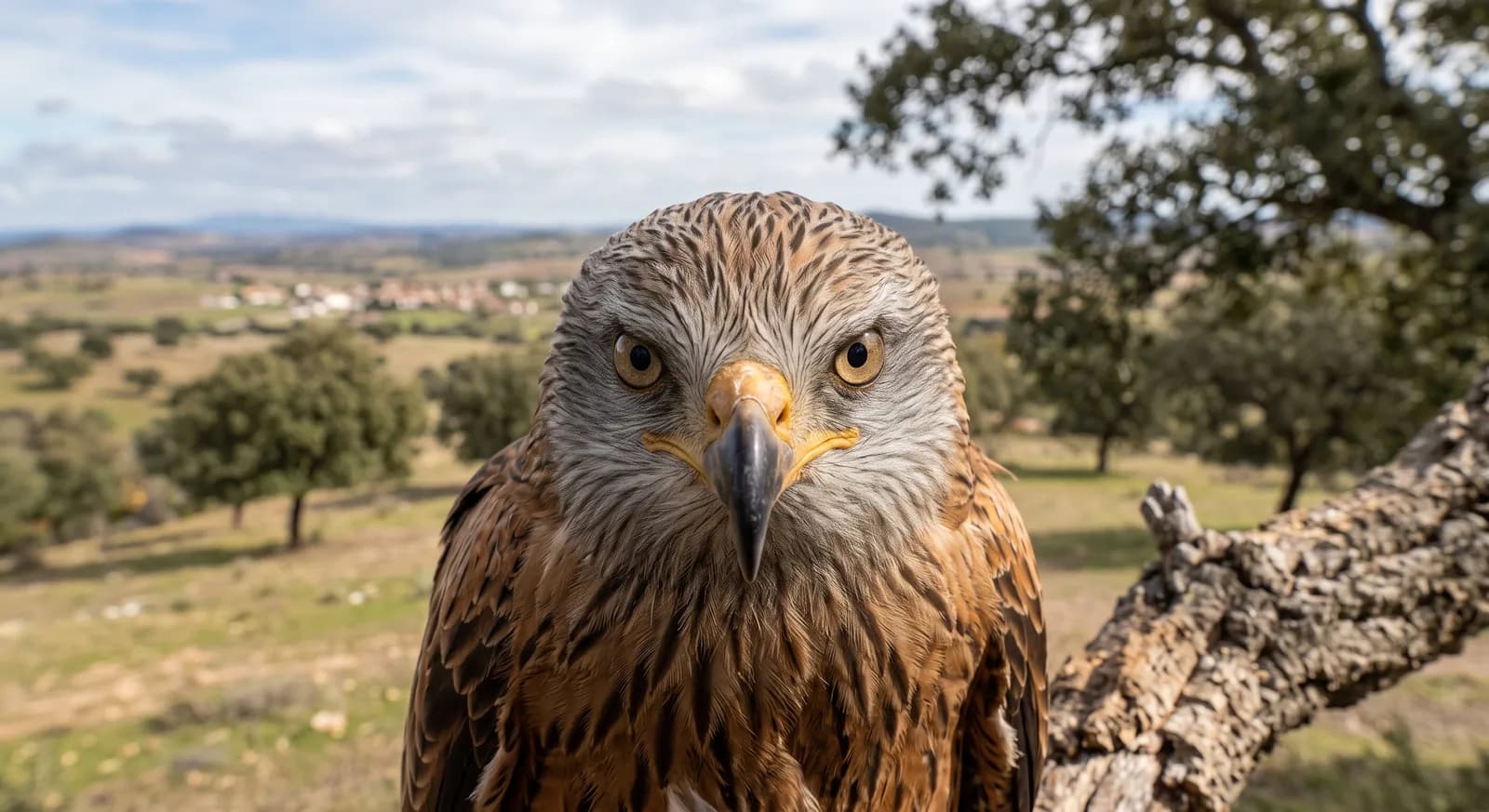
Red Kite
Milvus milvus
European Green Woodpecker
Picus viridis
Common Chaffinch
Fringilla coelebs
Keep exploring
Based on what we already know about italian three-toed skink.
Comments
Share an experience, a fun fact or a tip for seeing the italian three-toed skink.
Be the first to comment.