One of the 2 chinchillas on WAnimals
Mammals · Rodentia · Chinchillidae
Long-tailed Chinchilla
Chinchilla lanigera
It faces a very high risk of extinction in the wild in the near future. See full glossary
It has the densest fur of any land mammal, with as many as 60 hairs growing from each follicle, an adaptation to the extreme cold of the Andes.
Weight
369 g – 800 g
Size
22.5 cm – 38 cm
Lifespan
10 years
Diet
Herbivore
Feeds mainly on plants.
Activity
Nocturnal
Active mainly at night.
Social structure
Herd
Lives in large groups as a strategy against predators.
Sighting difficulty
Hard
Fun facts
- It has the densest fur of any land mammal, with as many as 60 hairs to a follicle.
- Its placenta is remarkably like a human's, which is why it is used as a model for studying pregnancy.
- It was hunted intensively for the fur trade, which left it endangered.
- anatomíaIt has the highest hair density known in any mammal, with as many as 80 individual fibres growing from each follicle.
Life cycle & biology
- Skeleton type
- Vertebrate - internal bony skeleton (mammal)
- Habitat & environment
- Arid rocky mountain country in northern Chile, between 3,000 and 5,000 m
- Birth weight
- Up to 35 g at birth, precocial, eyes open and fully furred
- Size at birth
- Up to 35 g at birth
- Sexual maturity
- 8 months
- Gestation / incubation
- 111 days
- Litter / clutch size
- 2 to 3 young per litter, with up to 2 litters per year
- Lifespan in captivity
- Documented record of up to 20 years
Sources consulted: Animal Diversity Web (Chinchilla lanigera); ScienceDirect Topics; Animalia.bio (Long-Tailed Chinchilla); Animal Diversity Web (Chinchillidae)
Where to find it
See its range on the interactive mapBest time: All year round in the coastal ranges of northern Chile, at dusk; the wild population is reduced to a few scattered nuclei.
Related species
Other species in the catalogue with the most in common with Long-tailed Chinchilla — same habitat, park, country, tags or family.
Short-tailed Chinchilla
Chinchilla chinchilla
Southern Mountain Viscacha
Lagidium viscacia
Plains Viscacha
Lagostomus maximus
Mountain Tapir
Tapirus pinchaque
 Endangered
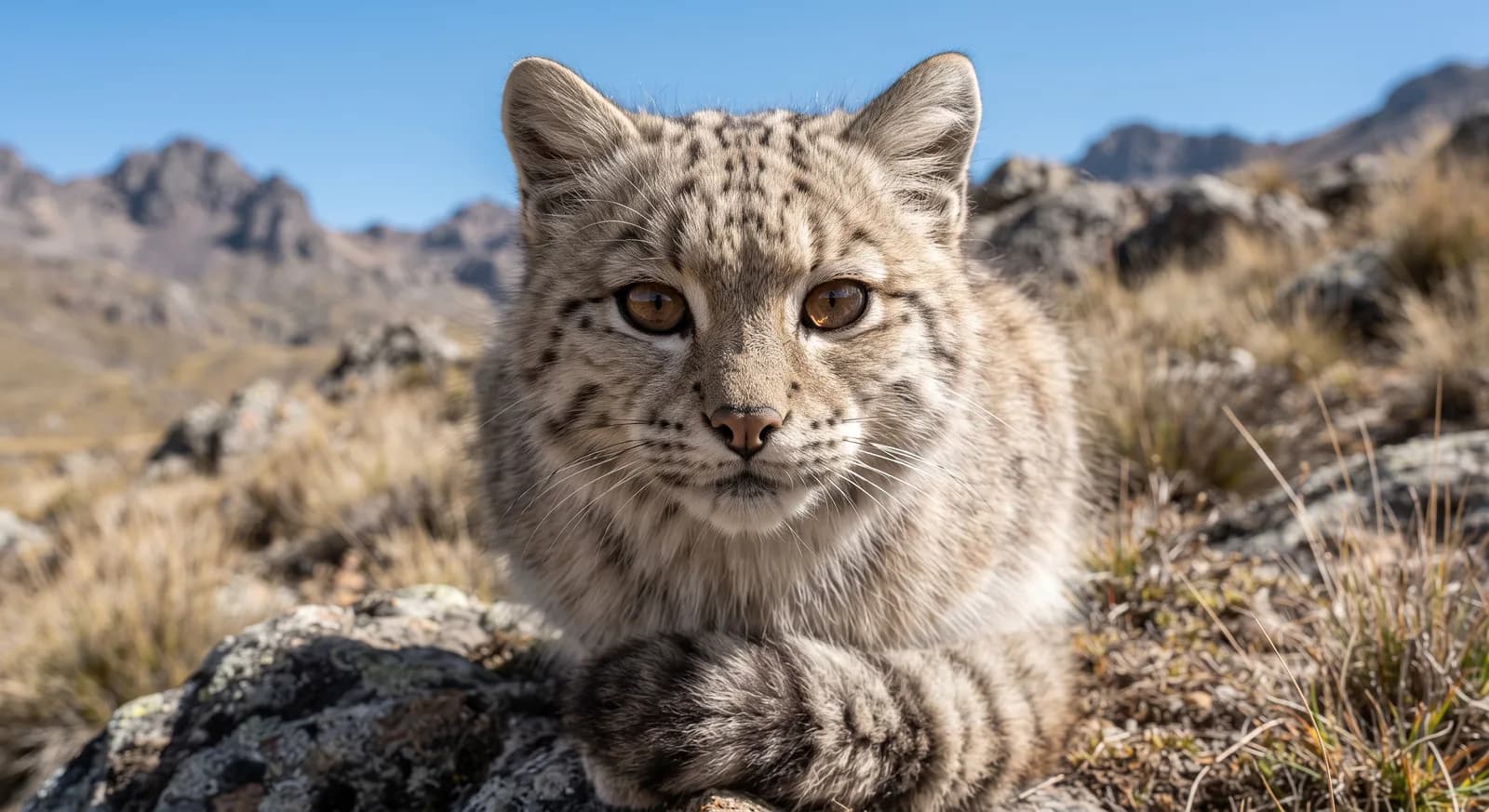
Andean Cat
Leopardus jacobita
 Endangered
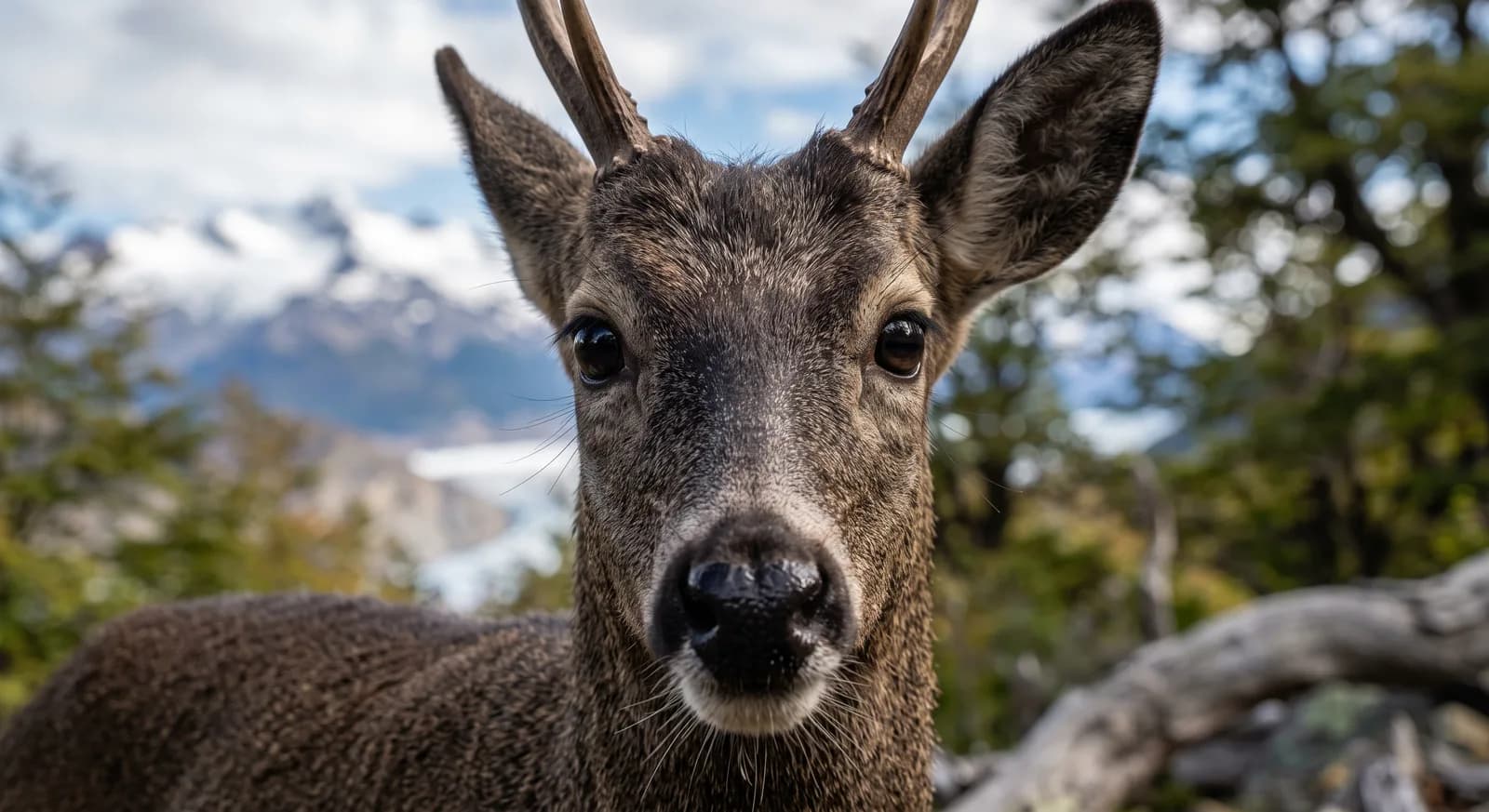
Patagonian Huemul
Hippocamelus bisulcus
How to help
The long-tailed chinchilla is classified as endangered. Organizations such as UICN, WWF y Wildlife Conservation Society work specifically on its conservation and that of its habitat; looking into their programs is a good starting point if you want to get involved.
Keep exploring
Based on what we already know about long-tailed chinchilla.
Comments
Share an experience, a fun fact or a tip for seeing the long-tailed chinchilla.
Be the first to comment.