One of the 12 deer on WAnimals
Mammals · Artiodactyla · Cervidae
Pere David's Deer
Elaphurus davidianus
It survives only in captivity or through populations reintroduced outside its historical range. See full glossary
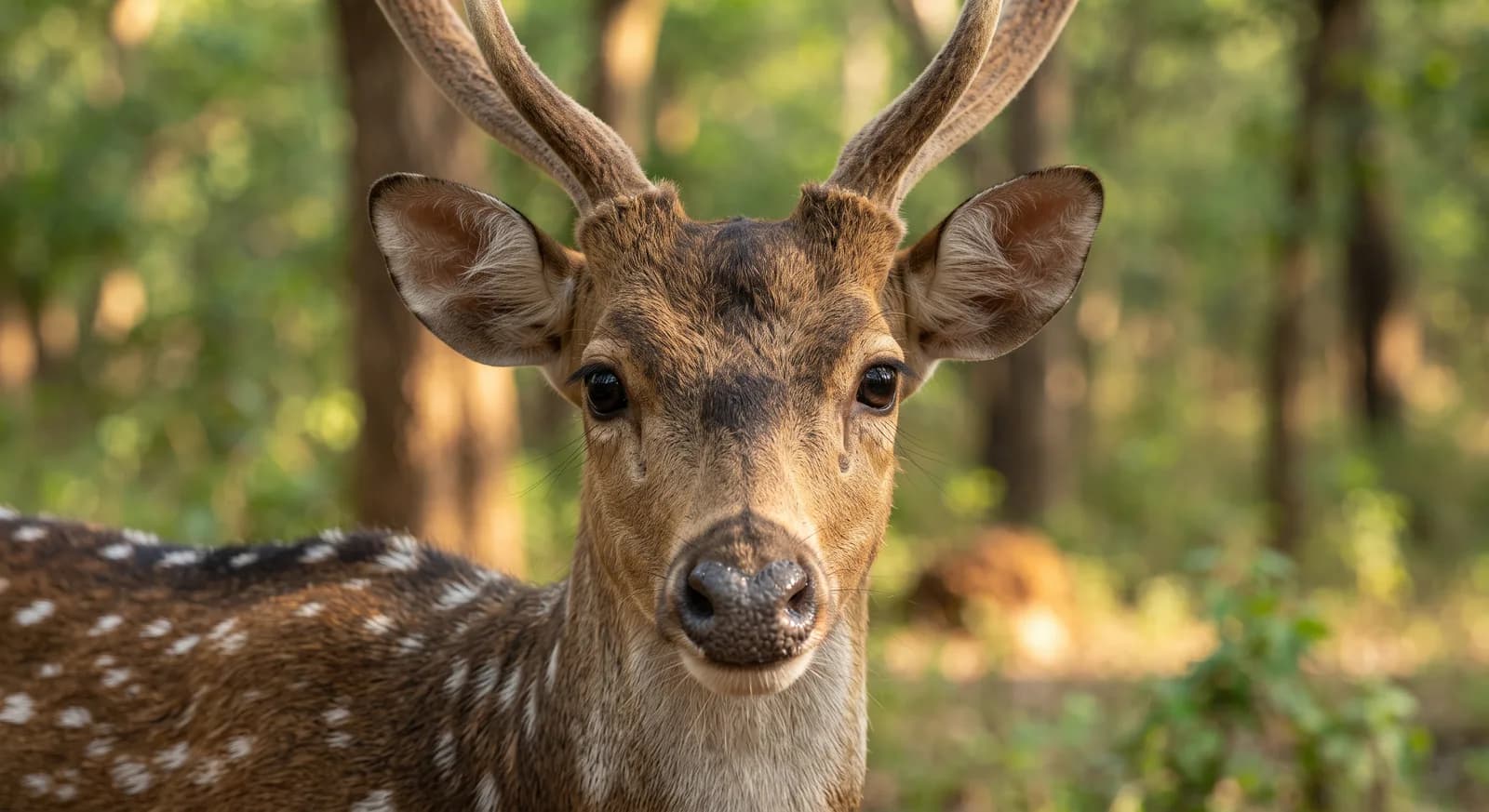
Père David's deer, or milu, is an extremely rare artiodactyl mammal of the family Cervidae, native to China, which was in grave danger of extinction and of which today 2,000 animals have been reintroduced to the wild, with the world population estimated at 8,000. It is also the only member of its genus, although some authors question this and consider that it would be a subgenus of the genus Cervus.
Weight
135 kg – 200 kg
Size
1.9 m – 2.2 m
Lifespan
20 years
Diet
Herbivore
Feeds mainly on plants.
Activity
Diurnal
Active mainly during the day.
Social structure
Herd
Lives in large groups as a strategy against predators.
Sighting difficulty
In captivity only
Estimated population
More than 5,000 individuals, all descended from the Woburn Abbey herd; the species was once extinct in the wild.
Fun facts
- conservaciónIt went extinct in the wild in China and survived only through animals kept in European parks, from which it has since been reintroduced to its original range.
- It owes its name to the French missionary and naturalist Armand David, who in 1866 became the first European to see it, in the imperial hunting park at Beijing.
- The Chinese call it sibuxiang, the four unalikes: the hooves of a cow, the neck of a camel, the tail of a donkey and the antlers of a deer, while being none of those four animals.
Life cycle & biology
- Skeleton type
- Vertebrate - internal bony skeleton (mammal)
- Habitat & environment
- Wetlands, marshes and floodplains of eastern China
- Size at birth
- Precocial: born with a spotted coat and on its feet within a few hours
- Sexual maturity
- 2.2 years
- Gestation / incubation
- 9.5 months
- Litter / clutch size
- 1
Sources consulted: https://es.wikipedia.org/wiki/Elaphurus_davidianus
Related species
Other species in the catalogue with the most in common with Pere David's Deer — same habitat, park, country, tags or family.
Chinese Water Deer
Hydropotes inermis
Roosevelt Elk
Cervus canadensis
Pampas Deer
Ozotoceros bezoarticus
Barasingha
Rucervus duvaucelii
 Least Concern
Chital
Axis axis
Hog Deer
Axis porcinus
Keep exploring
Based on what we already know about pere david's deer.
Comments
Share an experience, a fun fact or a tip for seeing the pere david's deer.
Be the first to comment.