One of the 5 swans on WAnimals
Birds · Anseriformes · Anatidae
Black Swan
Cygnus atratus
The species is abundant and widely distributed; it faces no significant short-term risk. See full glossary
A swan with entirely black plumage apart from the flight feathers, which are white and show only in flight. The bill is red and the neck longer than that of any other swan. The cygnet hatches covered in greyish down and its first plumage is greyish brown; it reaches the typical black at a year old and the bill takes on its colour at five months.
Weight
5.1 kg – 6.2 kg
Size
1.3 m – 1.5 m
Diet
Herbivore
Feeds mainly on plants.
Activity
Diurnal
Active mainly during the day.
Social structure
Colony
Lives in large concentrations, often for breeding reasons.
Sighting difficulty
Easy
Estimated population
Concentrations of up to 70,000 individuals have been estimated at Lake Ellesmere, New Zealand
Fun facts
- GeneralIts discovery by Europeans in 1697 gave rise to the phrase black swan for the improbable.
- Its discovery in 1697 by Willem de Vlamingh's expedition caused a stir in Europe: until then it had been taken for granted that all swans were white, and that is where the expression "black swan" for the improbable comes from.
- It is monogamous for life, but around a third of the young are not the pair's own: some males steal nests or form temporary trios with females in order to get eggs and then drive them off.
- If an egg rolls out of the nest, both sexes retrieve it with their neck; in other species only the female does.
Life cycle & biology
- Skeleton type
- Vertebrate - internal bony skeleton (bird)
- Habitat & environment
- Lakes, brackish lagoons and wetlands
- Sexual maturity
- They are adult at two years; they fledge at six months
- Gestation / incubation
- 35-45 days, with both sexes incubating, though females usually do so at night
- Litter / clutch size
- 3-8 pale green eggs, usually 5-6, exceptionally up to 10. Nests are almost a metre across and very close to one another. The chicks are cared for by their parents for about 9 months
Sources consulted: IUCN Red List; Wikipedia (Cygnus atratus); Birds Colombia; Zoobotánico de Jerez; Animalia.bio; Latham 1790
Where to find it
See its range on the interactive mapBest time: All year round; it has no defined breeding season and lays when conditions are favourable
Where to watch it
Parques y spots de buceo donde se ha documentado esta especie — se muestran 10 de 23 documentados.
Related species
Other species in the catalogue with the most in common with Black Swan — same habitat, park, country, tags or family.
Canada Goose
Branta canadensis
Great Pied Cormorant
Phalacrocorax varius
Magpie Goose
Anseranas semipalmata
Australian Pelican
Pelecanus conspicillatus
 Least Concern
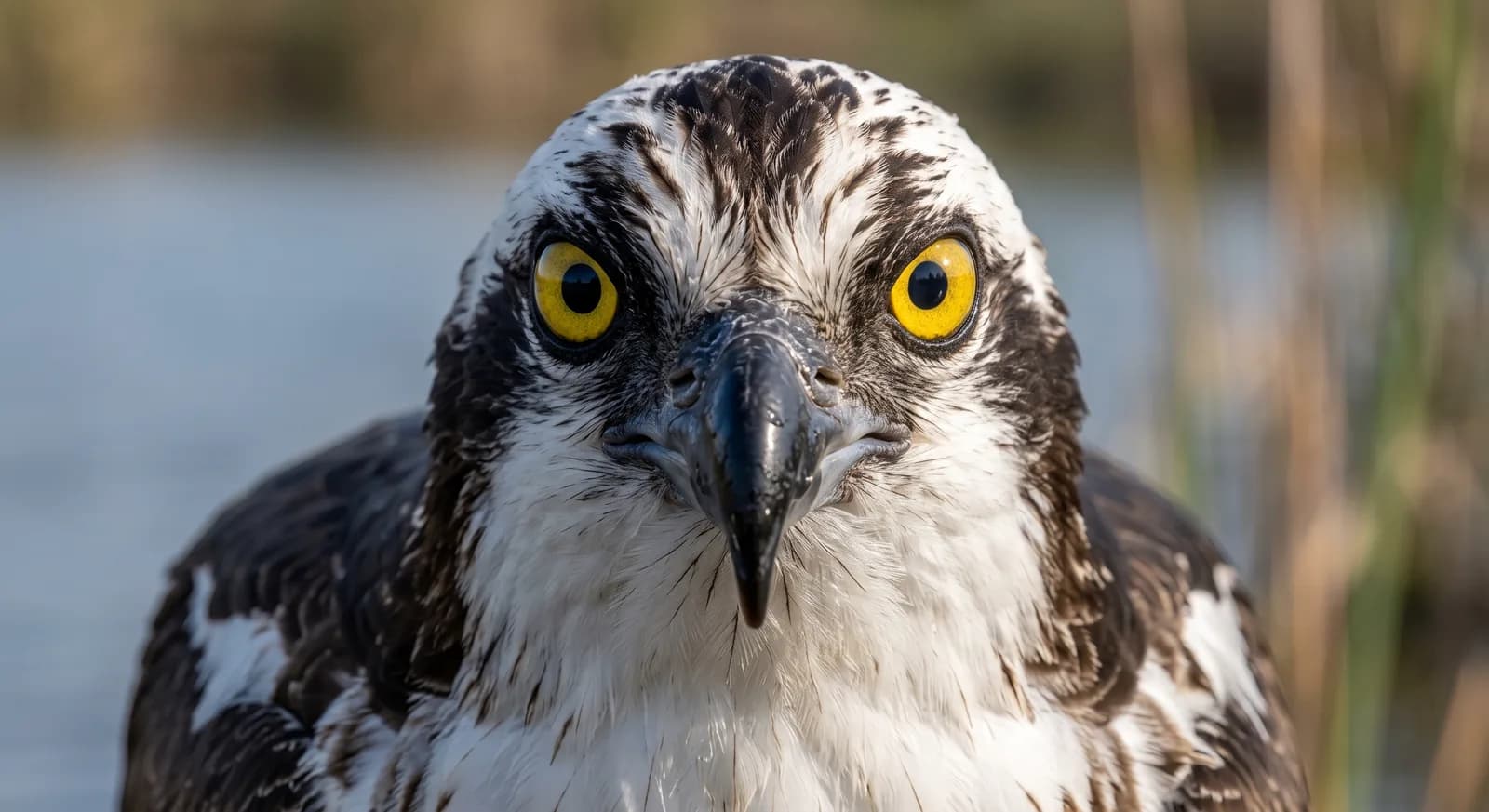
Osprey
Pandion haliaetus
Sulphur-crested Cockatoo
Cacatua galerita
Keep exploring
Based on what we already know about black swan.
Comments
Share an experience, a fun fact or a tip for seeing the black swan.
Be the first to comment.