One of the 9 gulls on WAnimals
Birds · Charadriiformes · Laridae
Gray Gull
Leucophaeus modestus
The species is abundant and widely distributed; it faces no significant short-term risk. See full glossary
The grey gull, a plain grey gull of the Humboldt Current, has an extraordinary breeding biology: it feeds on the coast but breeds inland in the Atacama Desert, tens or even more than a hundred kilometres from the sea, on salt flats and plains utterly devoid of vegetation and water.
Weight
300 g – 450 g
Size
45 cm – 50 cm
Lifespan
15 years
Diet
Carnivore
Feeds mainly on other animals.
Activity
Diurnal
Active mainly during the day.
Social structure
Colony
Lives in large concentrations, often for breeding reasons.
Sighting difficulty
Easy
Fun facts
- It breeds in the middle of the Atacama Desert, the most arid place on the planet, more than a hundred kilometres from the coast and on plains without a drop of water: the adults cover that distance twice a day to feed their chicks.
- Its colonies were discovered very late: for decades it was known that the species bred somewhere inland, but the first colonies were not located until well into the twentieth century.
- The eggs and chicks, exactly the colour of the desert's salt crust, are invisible from a few metres away, and the adults leave the nest as soon as they spot an intruder in the distance.
Life cycle & biology
- Skeleton type
- Vertebrate - internal bony skeleton (bird)
- Habitat & environment
- The Pacific coast of Peru and Chile; breeds inland in the Atacama Desert
- Sexual maturity
- 3 years
- Gestation / incubation
- 27 days of incubation
- Litter / clutch size
- 2 eggs
Sources consulted: https://es.wikipedia.org/wiki/Leucophaeus_modestus
Where to watch it
Parks and dive sites where this species has been documented.
Related species
Other species in the catalogue with the most in common with Gray Gull — same habitat, park, country, tags or family.
Kelp Gull
Larus dominicanus
Andean Gull
Chroicocephalus serranus
Brown Noddy
Anous stolidus
Royal Tern
Thalasseus maximus
 Least Concern
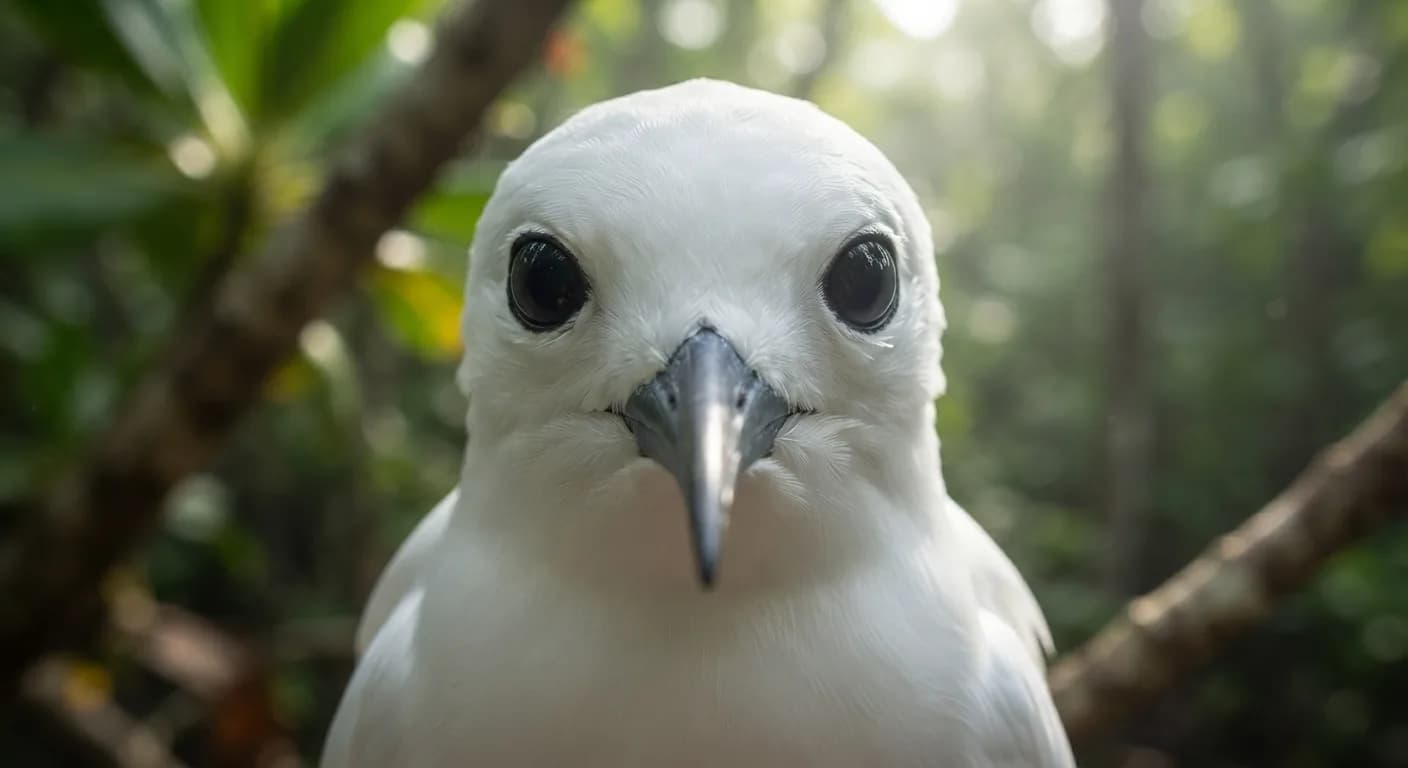
Atlantic White Tern
Gygis alba
 Least Concern
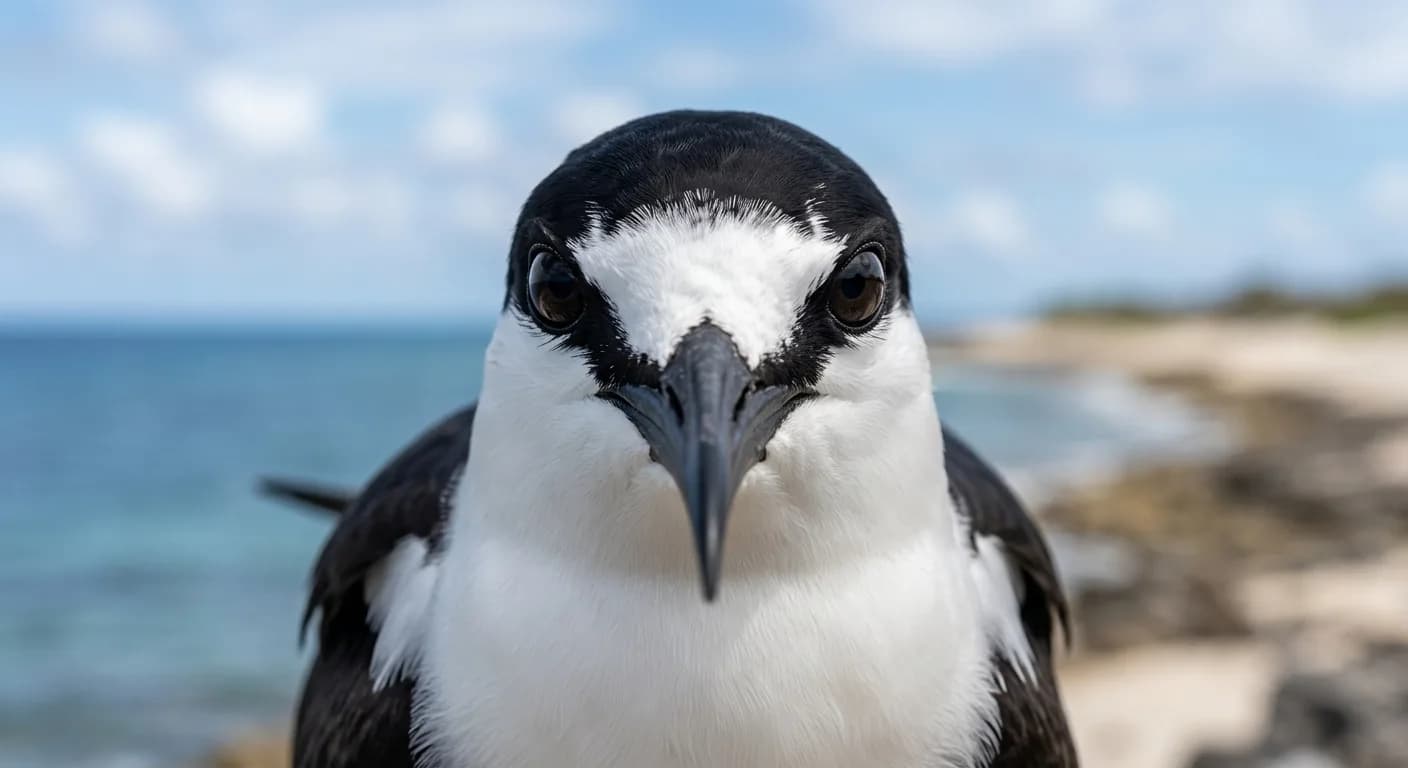
Sooty Tern
Onychoprion fuscatus
Keep exploring
Based on what we already know about gray gull.
Comments
Share an experience, a fun fact or a tip for seeing the gray gull.
Be the first to comment.