One of the 3 juncos on WAnimals
Birds · Passeriformes · Emberizidae
Dark-eyed Junco
Junco hyemalis
The species is abundant and widely distributed; it faces no significant short-term risk. See full glossary
The dark-eyed junco — known in Spanish as junco pizarroso or ojioscuro — is one of the most abundant birds in North America and one of the commonest at winter feeders in the United States and Canada. It is slate grey with a white belly and very visible white outer tail feathers in flight. It shows extraordinary geographical variation, with forms so different that for decades they were treated as separate species.
Weight
18 g – 30 g
Size
13 cm – 17 cm
Lifespan
11 years
Diet
Omnivore
Combines animal and plant food depending on availability.
Activity
Diurnal
Active mainly during the day.
Social structure
In pairs
Usually lives in pairs, sometimes for life.
Sighting difficulty
Easy
Fun facts
- Its geographical forms are so different that until 1973 they were classified as five or six separate species, and numerous subspecies with very different plumages are still recognised today.
- There are estimated to be more than six hundred million individuals, which places it among the most abundant land birds in North America.
- The population that colonised the campus of the University of California, San Diego in the 1980s has developed measurable changes in behaviour and morphology within a few decades, and is a case study in rapid urban evolution.
Life cycle & biology
- Skeleton type
- Vertebrate - internal bony skeleton (bird)
- Habitat & environment
- Conifer and mixed woodland for breeding; gardens, hedgerows and farmland across North America for wintering
- Birth weight
- Altricial: born blind, naked or with sparse down and entirely dependent
- Size at birth
- Altricial: born blind, naked or with sparse down and entirely dependent
- Sexual maturity
- 12 months
- Gestation / incubation
- 11 days
- Litter / clutch size
- 4
Sources consulted: https://es.wikipedia.org/wiki/Junco_hyemalis
Where to find it
See its range on the interactive mapBest time: From October to April across much of the United States, when it comes down from the boreal and mountain forests and visits feeders in flocks.
Where to watch it
Parques y spots de buceo donde se ha documentado esta especie — se muestran 10 de 70 documentados.
Related species
Other species in the catalogue with the most in common with Dark-eyed Junco — same habitat, park, country, tags or family.
White-throated Sparrow
Zonotrichia albicollis
 Least Concern
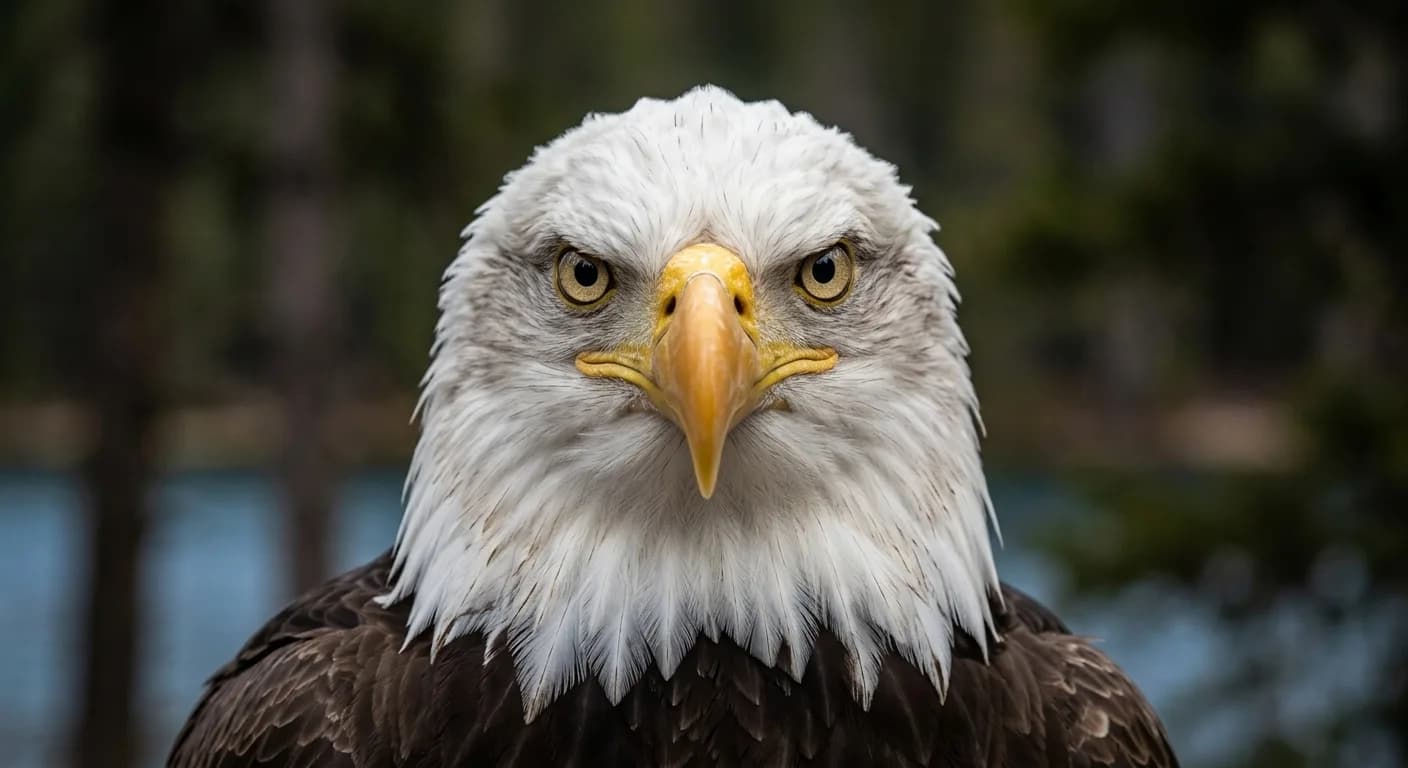
Bald Eagle
Haliaeetus leucocephalus
Wood Duck
Aix sponsa
Wild Turkey
Meleagris gallopavo
Mourning Dove
Zenaida macroura
 Least Concern
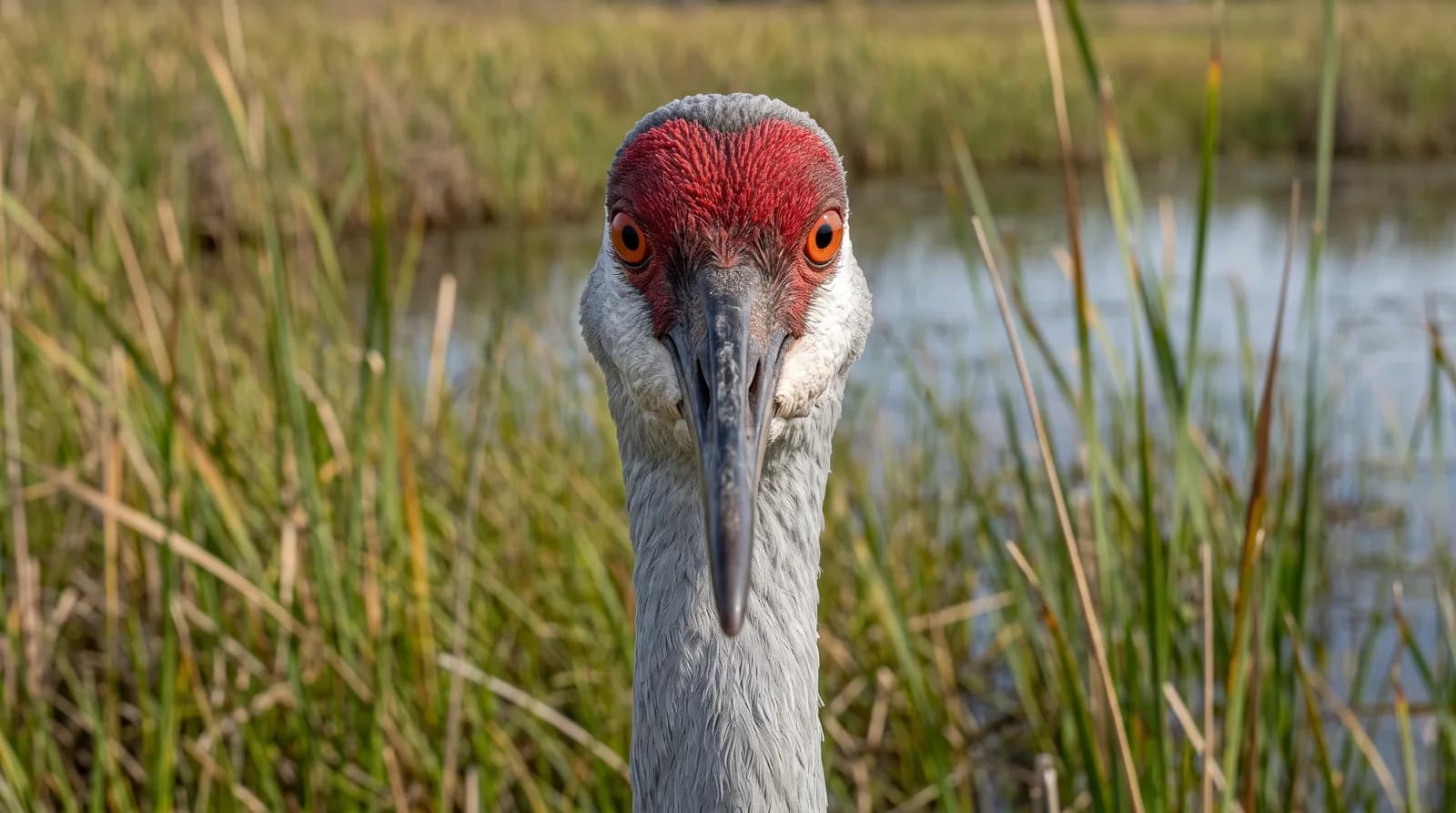
Sandhill Crane
Antigone canadensis
Keep exploring
Based on what we already know about dark-eyed junco.
Comments
Share an experience, a fun fact or a tip for seeing the dark-eyed junco.
Be the first to comment.